Grieving parents from Brighton have told of their heartbreak as an official watchdog gave maternity services the same rating after concerns were initially raised five years ago.
Maternity units at the Princess Royal Hospital (PRH), Haywards Heath, and St Richard’s Hospital, Chichester, were re-rated by the Care Quality Commission (CQC) last month as “requires improvement” after an inspection late last year.
The maternity services, run by University Hospitals Sussex NHS Foundation Trust, were first given that rating after a visit from the watchdog in 2021.
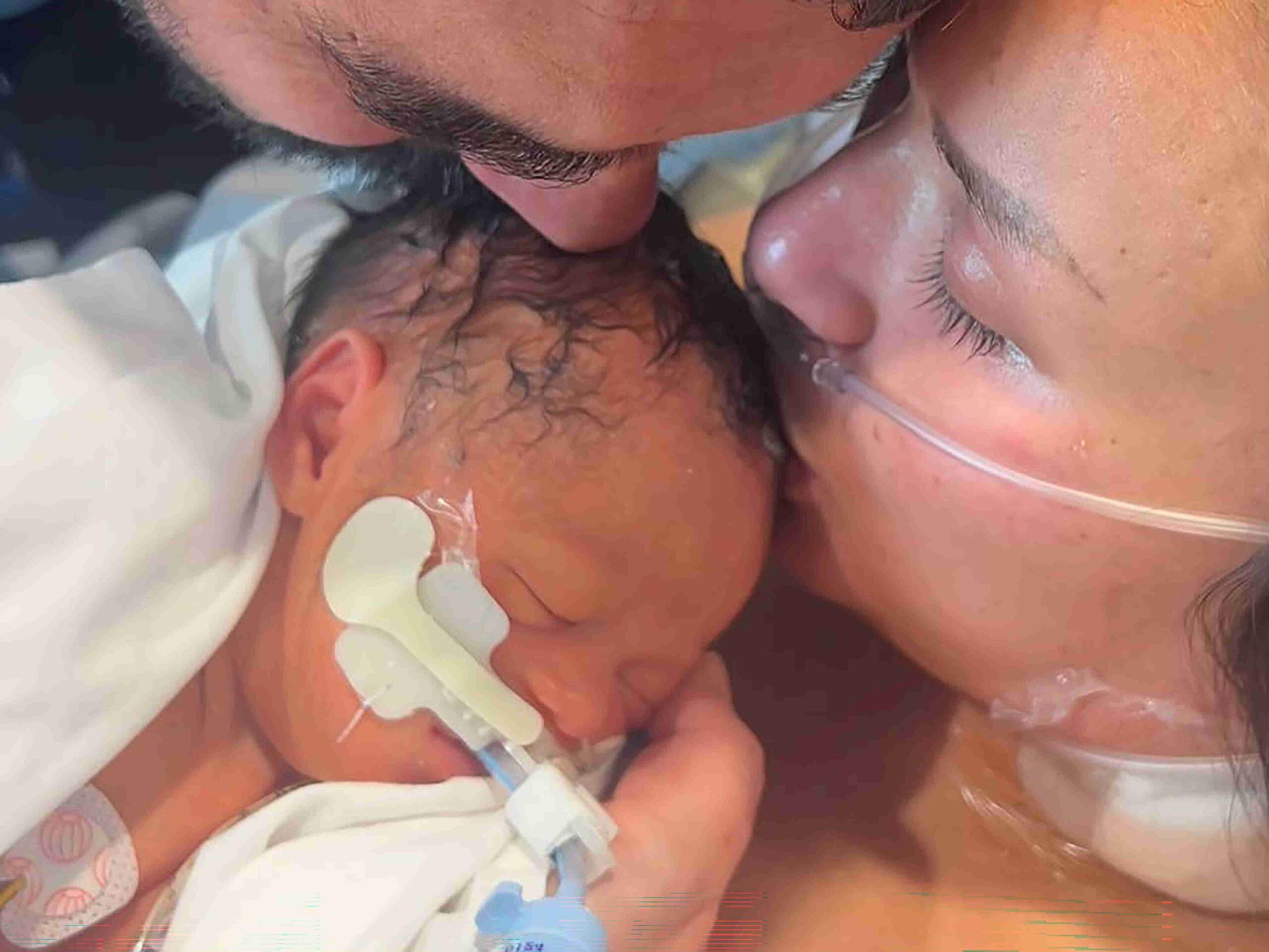
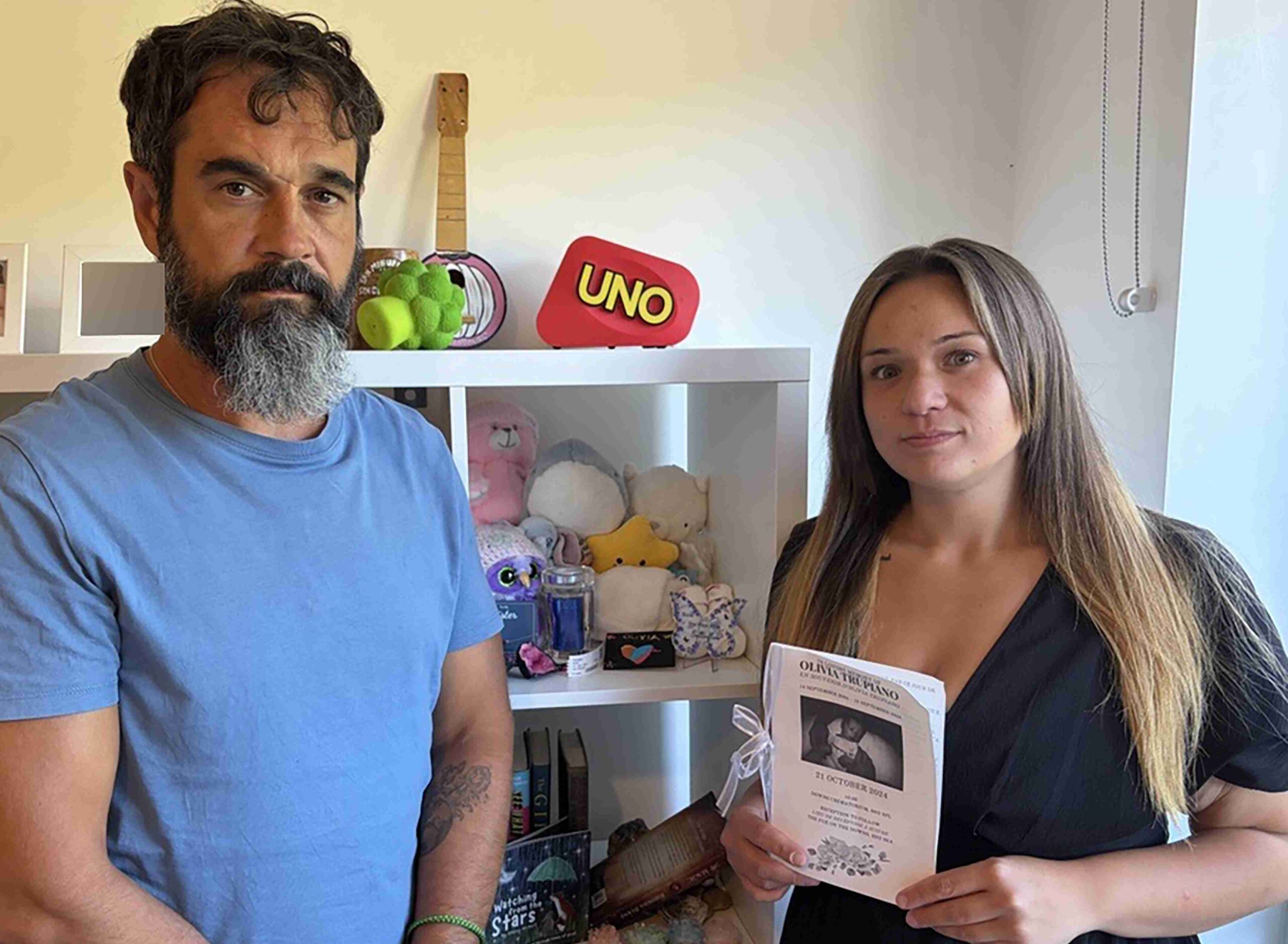
Kimberley Newark and Yann Trupiano lost their baby girl Olivia in September 2024 at the trust and said that the lack of an improved rating was “really concerning”.
Ms Newark, 32, said: “We get told things have been put in place but it’s not enough because it still requires improvement.
“It is really concerning. It’s heartbreaking to hear. There’s just going to be more and more issues that arise.
“Obviously change doesn’t happen overnight, especially in such a huge trust, but you would have thought after five years there would have been some sort of change where the rating would have gone up – and if not, why?”
Mr Trupiano, 44, said that he felt “tired” of hearing that improvements were needed and added that the trust needed to “walk the talk”.
Ms Newark went to the PRH in September 2024 with “severe” pain but felt “dismissed”. She was told that it could have had trapped wind.
In fact, she had a suspected ruptured splenic artery and an emergency caesarean section had to be carried out on Saturday 14 September.
Olivia was born with severe hypoxic ischaemic encephalopathy, a critical brain injury, and died days later on Thursday 19 September at the Royal Sussex County Hospital, in Brighton.
Ms Newark said: “It ended in an awful situation where I nearly lost my life and our daughter did.”
An inquest looking at the circumstances of her death is due to be heard in October this year.
The trust said that it was “desperately sorry” for the loss of Olivia and the findings of two reviews into her care had been shared with her family. The trust had met the family to discuss concerns and would be happy to meet again should the family wish.
In addition, the trust said that it hoped that the inquest would give the family greater clarity and closure and the trust would “do everything we can to help the coroner address any remaining questions the family have”.
In the meantime, the couple, who live in Brighton, are calling for more education around situations like theirs and urged clinicians to listen to parents.
Ms Newark said: “I knew at that time, I wasn’t right. Something was wrong. I think the main thing at the moment is to really listen to patients and families.”
In the latest inspection of the PRH, the CQC rated the service as “good” for being effective and caring but when it came to being safe, well-led and responsive, it was rated “requires improvement”.
Inspectors found a previous legal breach on staffing remained and said that the service “did not have enough staff to keep women safe”.
Staff told inspectors that they felt tired and burnt out because of workforce pressures and demands on the service while shifts felt “increasingly overstretched”.
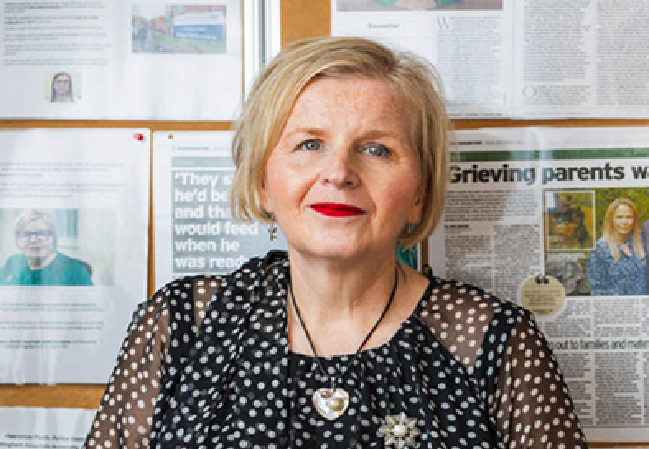
The CQC’s deputy director of hospitals and specialist care in the south east, Amanda Williams, said: “At Princess Royal Hospital, equipment failures regularly forced the maternity operating theatre to close, causing delays to planned caesarean sections and increasing anxiety for women waiting for treatment.”
Inspectors, however, also received feedback from women and partners who were positive about the service, many saying that they had been treated with dignity and respect through their care.
Of both hospital units, Ms Williams added: “Staff should be proud of the care they continue to provide under significant pressure and we will continue to monitor both services closely to ensure women and their babies remain safe while improvements are made.”
But of the CQC, Ms Newark said: “They should be concerned by requires improvement and the fact that it keeps coming up. What’s the point in doing these reports and reviews if nothing’s being done about it?”
The re-ratings come as the government has announced a maternity review of University Hospitals Sussex which will look at cases dating back to 2018, including all harmed and bereaved families.
Senior midwife and investigator Donna Ockenden will lead the review which is expected to look at more than 1,000 cases.
The campaign group Truth for Our Babies, made up of affected families including Ms Newark and Mr Trupiano, had been calling for the move.
Ms Newark said: “It’s horrible to have to be a part of such a group but it’s nice to know we aren’t necessarily alone and we can try to fight together.
A maternity negligence specialist at Tees Law, Gwyneth Munjoma, said that the CQC report showed why the maternity review in Sussex was needed to “enforce real accountability and change”.
Until then, she said, this was an urgent public health issue which “demands urgent intervention from the independent regulator now”.
The CQC said that after its inspection, which found that some progress had been made but that the trust needed to do more, it asked leaders to submit an action plan on how they would address specific issues.
The watchdog said: “We have also made clear what regulatory action we will take if we’re not reassured by their plan. NHS hospital maternity services are subject to close regulatory oversight.
“Where we have identified concerns about the quality and safety of care, we have held those trusts to account and required improvements to be made.”
The CQC added that it knew that there were families who felt that the watchdog had not taken sufficient action to act on their concerns and they wanted to work with them to help “amplify our calls for greater efforts to strengthen maternity safety across the board”.
Meanwhile, the hospital trust has said that it “absolutely accepts” the CQC’s conclusion that further improvements were needed and it was working hard to address issues and improve care.
Gail Byrne, interim chief nurse at the trust, said: “We have increased theatre capacity and staffing levels, strengthened how we collect and monitor key safety information and reviewed and updated policies and clinical guidance.
“These changes all represent progress but we know this vital work must continue. We know there is more to do, for everyone using our services.
“Listening to women and families, learning from their experiences and acting on what they tell us will remain at the heart of our commitment to providing safe, compassionate and high-quality care for every family.”
She added that the trust welcomed the CQC’s recognition of many improvements made in recent years, the maternity team’s compassion and dedication to their work and positive feedback from women and their loved ones.







The NHS doesn’t care. Sooner or later it will get so bad that even the most anti change will agree that it needs to be semi privatised with state funding of insurance.
I hold the opposite view, I think the majority of the staff at the NHS do, in fact, care. My own experiences tells me that the NHS is slow to modernise, clings to tradition, and management appears detached.
Pharmacy is an excellent example, it was one of the last bastions of companies that still relied on a fax machine, and the saga that was providing summary care record access.
I think before thinking about insurance models, just overhauling, modernising, and streamlining the various convuluted systems is a good first step!