A bereaved mother hopes that a maternity care review will give her some answers after her baby son died as an inquiry team prepares to meet families for the first time at a venue in Brighton.
A review into maternity and neonatal care at University Hospitals Sussex NHS Foundation Trust is due to host introductory sessions with families next Saturday (5 September).
The review wants those affected to shape the investigation into maternity and neonatal care at the trust which runs the Royal Sussex County Hospital, in Brighton, and three other maternity units.
Bereaved mother Beth Cooper, one of those who campaigned for the review to take place, said that it was a “massive” moment and urged more families who had concerns about their care at the trust to come forward.
The 31-year-old said: “If you feel like anything in your gut wasn’t right, or you feel you’re still thinking about and worried about, it’s important that you talk about it and you feel safe to do so.
“You might get some answers that you needed to move forward. And also, it helps lots of other families in the future.”
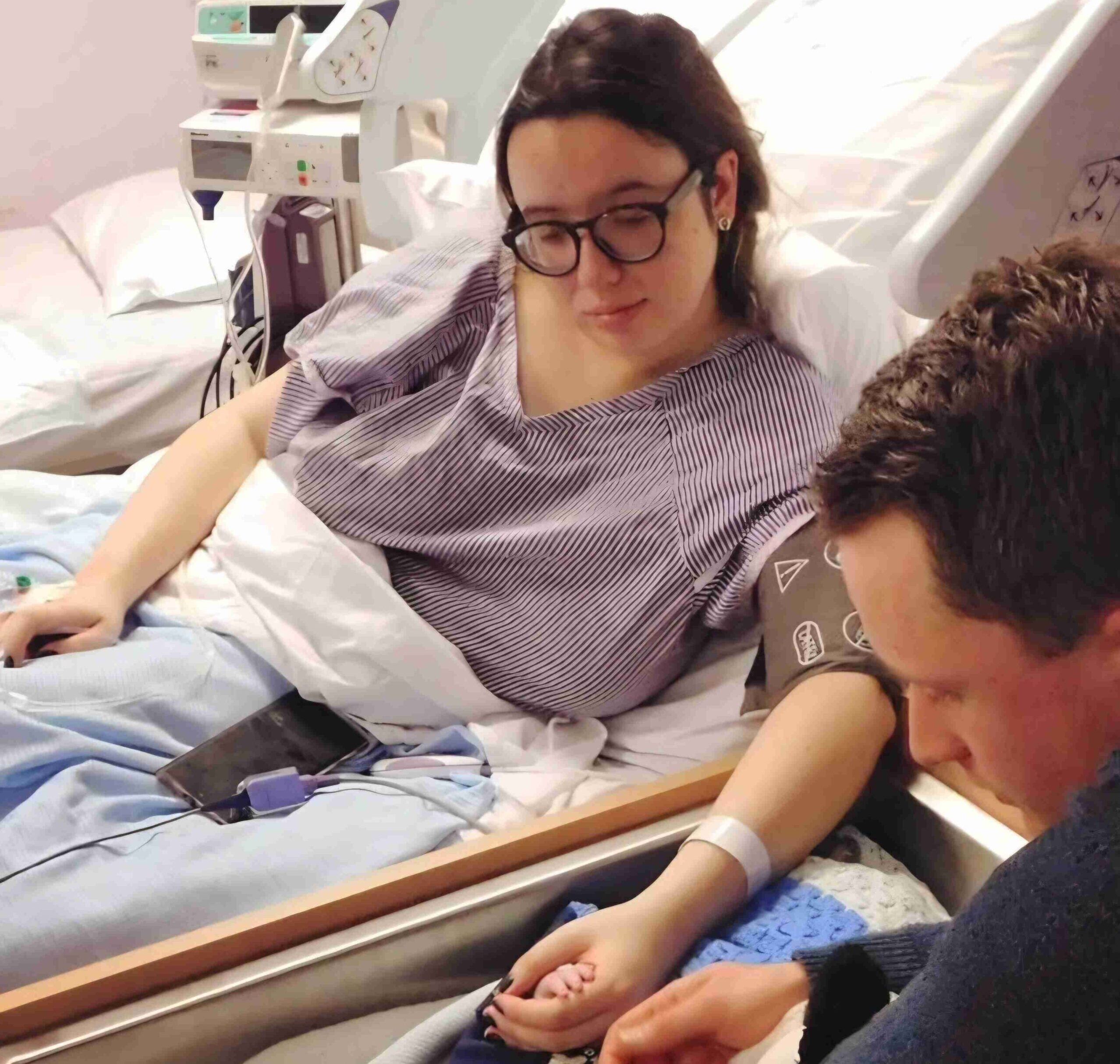
The former neonatal nursery nurse has post-traumatic stress disorder from her ordeal and has not been able to return to her job at a special care baby unit at the Princess Royal Hospital, in Haywards Heath, since the death of her son Felix in December 2022 at the same hospital.
She had gone into hospital four days in a row in the lead up to Felix’s death at 34 weeks old, concerned about his change in movement as he was a really “active” baby.
But she said that she felt as though she was treated like an “anxious first-time mum”.
On the fourth day she went back to the hospital – on Christmas Eve – knowing that “something really bad was wrong” and was told that he had died.
Ms Cooper gave birth to him via caesarean section on Christmas Day in what she described as probably the “loneliest moment of my entire life”.
No doctor came to see her in the hospital for four days after she gave birth, she added, so she was there with Felix “not having a clue what had happened or what was going on”.
She added: “It almost felt like because he passed away, he didn’t really matter, and it didn’t really matter whether I got an instant debrief.”
She stayed in hospital longer to spend time with Felix to make memories, hold him and spend time with him with her partner Tom Coxhead.
She said: “I feel like he lost a chance to share how wonderful and brilliant I know he would have been.
“I want him to have a legacy so that he has helped change the future for other families.”
In the aftermath, Ms Cooper also described the difficulty of navigating the systems for answers.
She said: “I think there needs to be so much work in communications specifically for that trust, on how they talk to you and when they talk to you. It’s just so important.”
University Hospitals Sussex said that the death of a baby was one of the “most devastating experiences” any family could face and the trust offered “our deepest condolences” to Ms Cooper and her loved ones.
The trust said: “We understand that how families are listened to, communicated with and supported following a bereavement is profoundly important and we are sorry when anyone feels unheard or unsupported at such a difficult time.
“Our priority is to provide safe, compassionate care and to ensure families are treated with openness, respect and empathy when concerns are raised.”
The trust added that it remained committed to listening, learning and making the improvements needed to be able to “provide the safest and best possible care.”
The government announced the maternity review into University Hospitals Sussex in April. Senior midwife and investigator Donna Ockenden will lead the “opt-out review” which is expected to look at more than 1,000 cases dating from 2018.
Speaking about the review, Ms Cooper said: “Hopefully, the inquiry will kind of shine light on exactly the scale of what’s happening.
“On a personal side, I’d like to have my questions answered and looked into. I want to hear the honest and straightforward truth, whatever that is.”
When chairing the independent review, Ms Ockenden will have the power to consider cases from before 2018 and cases where women believe that they meet the criteria of severe harm but have incomplete or missing records.
Next Saturday, families affected by their maternity or neonatal care are invited to meet Ms Ockenden and the review team in Brighton to hear information, ask about the process and contribute to the terms of reference which are yet to be established.
Ms Ockenden said: “Families are at the heart of the review, therefore, it is essential that we engage with families at this early stage to discuss and shape the review’s terms of reference.
“To ensure that the criteria underpinning the review is reflective of the local population’s needs, we are working with families to incorporate their valued feedback into the terms of reference in a trauma-informed way.
“The review team are here to listen and act on what families tell us.”
University Hospitals Sussex chief executive Andy Heeps said that the trust welcomed the review and remained committed to “fully supporting the process so families can get the answers they need and we take any possible opportunity to learn and improve”.
Dr Heeps added: “Our thoughts remain first and foremost with the families whose babies have died or who have suffered harm when receiving care in our hospitals.
“Our overriding priority is always to provide the safest possible care for mothers and babies – that is why our maternity teams have implemented many positive changes in recent years and why we will work with the review team to find new ways of making our services better and safer still.”