
Councillors are given too little time to shape policies, criticise shortcomings and suggest improvements, a long-serving member of the council said today (Tuesday 10 November).
Green councillor Sue Shanks spoke out at as she and colleagues debated temporary housing – an area of spending that has proved hard for the council to manage.
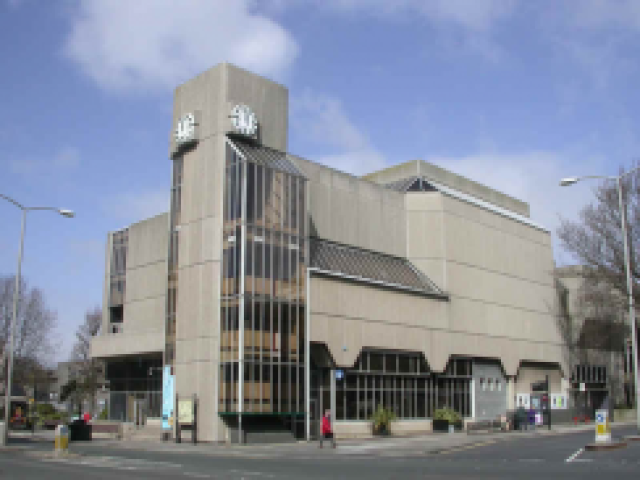
The debate took place at Hove Town Hall when Brighton and Hove City Council’s People Overview and Scrutiny Committee discussed proposals that are due to go before the council’s cabinet on Thursday.
As a result, Councillor Shanks said that the proposals were not at a formative stage and so constructive ideas were unlikely to become part of the approach adopted by the council.
Today, the committee discussed a council proposal to buy and lease more properties to use for temporary housing for homeless people rather than keep paying high overnight rates.
Councillor Shanks was also concerned about the timing of a debate on plans to lease empty council-owned commercial buildings to businesses in the creative industries.
The plans went before the Place Overview and Scrutiny Committee on Tuesday 3 November – months after the closing date for expressions of interest.
The deadline for businesses to express an interest in Phoenix House, in West Street, and Lyndean House, in Queen’s Road, was Sunday 2 August – and an application assessment panel was scheduled for Monday 26 October.
Councillor Shanks said: “I don’t know what we can input today that’s going to change a paper which has already been written for cabinet. It seems to me that the object should be to be a bit earlier.”
Labour councillor Sam Parrott, who chairs the council’s People Overview and Scrutiny Committee, said that fellow Labour councillor Gill Williams, the council’s cabinet member for housing and new homes, would take the feedback to the meeting on Thursday.
Councillor Parrott said: “We are trying very hard to get ahead of the agendas to make sure that things do come to committee in advance.
“I don’t disagree with you, as that is the purpose of this committee.
“I would really appreciate it if everybody could think about what might be useful for Councillor Williams to have with her and in her head so when she goes to cabinet on Thursday it is very fresh for her as well.”
The council created the two overview and scrutiny committees to run alongside its decision-making cabinet when the cabinet replaced the previous system of policy-making committees.
The move has been criticised for excluding all but a small number of councillors from the decision-making process, for increasing secrecy and reducing the amount of information shared with most councillors and the public.
Both opposition parties objected to the change but cabinets are common elsewhere and their supporters say that they lead to more efficient and accountable decision-making.