A plan to use empty council homes for temporary housing for up to a year is due to be discussed next week.
Brighton and Hove City Council’s People Overview and Scrutiny Committee is expected to discuss the measure and how it could save money at a meeting next Tuesday (17 March), before a report is presented to the cabinet next month.
The council is feeling the pinch from higher demand for temporary housing, a limited supply and rising nightly rates, contributing to a £6 million overspend, according to a report published in advance of the meeting.
The report said that demand was driven by a mix of high housing costs and a limited supply of affordable homes as well as a growing number of households in crisis.
There are currently more than 2,100 households in emergency or temporary housing in Brighton and Hove, 40 per cent of them children.
To try to cut costs, the council is looking to use empty council houses and flats for temporary housing until Friday 1 May, with priority going to families with educational or health needs.
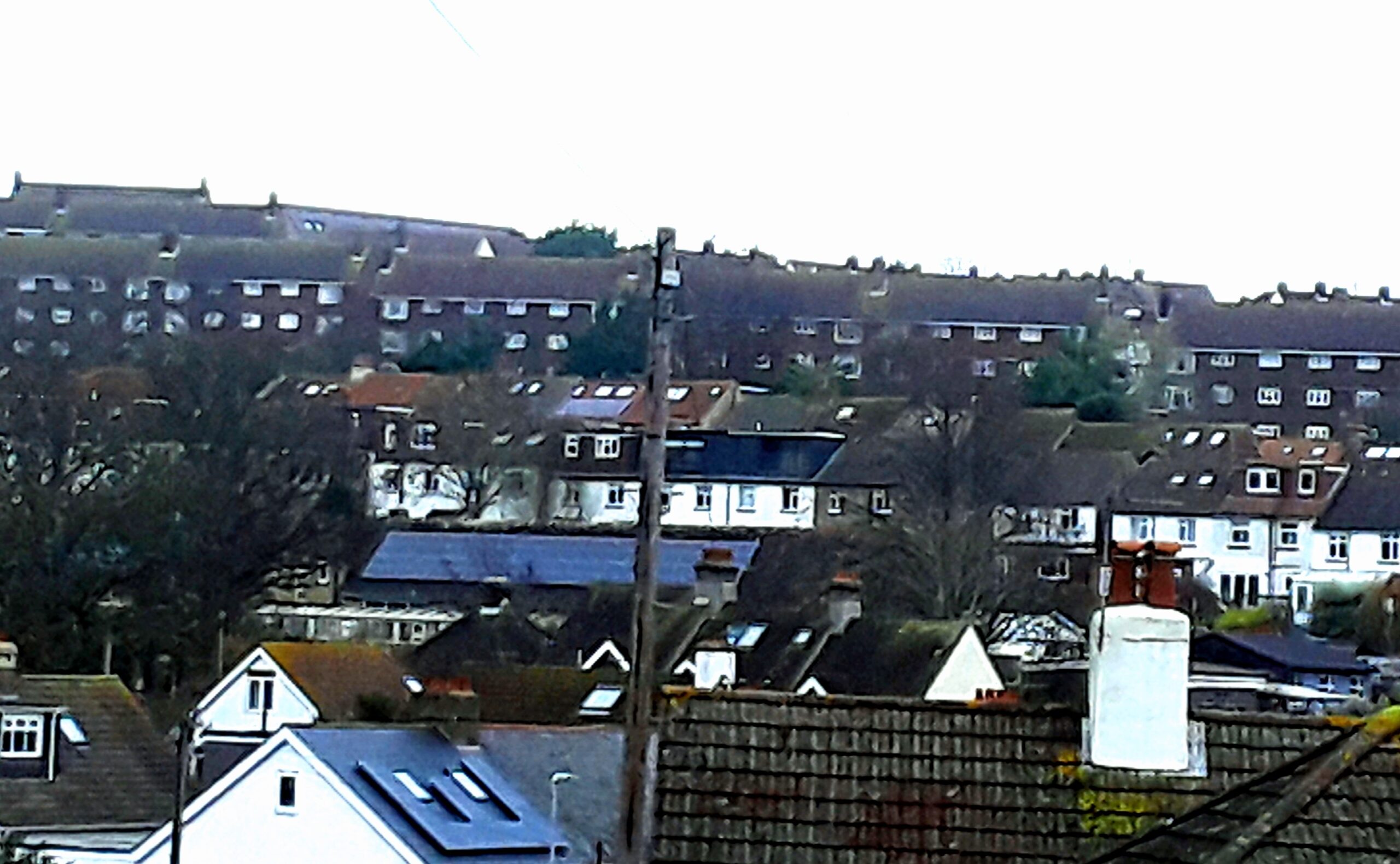
Among the council homes already in use are empty flats in blocks built using “large panel systems”. These are due to be demolkished and replaced in the coming years.
The use of empty flats as temporary housing could extend beyond the start of May and a further 100 homes could be added to the scheme on top of the 80 in the initial proposal.
The report said: “The recommendations prioritise keeping families in the city, reducing disruptive moves and limiting the time households spend in unsuitable accommodation.
“Taken together, these actions underpin a longer-term shift that aligns with the council’s Homelessness and Rough Sleeping Strategy.”
If the council’s proposals work out as planned, the total number of council-owned temporary housing “units” is expected to increase from 959 to 1,280.
Nightly paid spot-purchased housing could reduce from 465 units this year to 90 by 2029-30.
Block-booked housing is expected to grow from 644 units to about 920 while leased temporary housing should reduce from 550 to 500 units.
As part of the process to reduce temporary housing costs, the council has already entered into a six-year £19 million contract to house homeless people with an organisation called Base One.
A survey on the proposals is currently under way until Wednesday 1 April. For more details or to take part, click here.
The findings are due to be presented to the council’s cabinet next month along with a report which is expected to include recommendations on “reshaping” temporary housing to give people “better quality, more stable and more affordable homes”.
For 2026-27, the council plans to spend £12 million on “homelessness‑related pressures”.
The People Overview and Scrutiny Committee is due to meet at Hove Town Hall at 4pm next Tuesday (17 March). The meeting is scheduled to be webcast.