
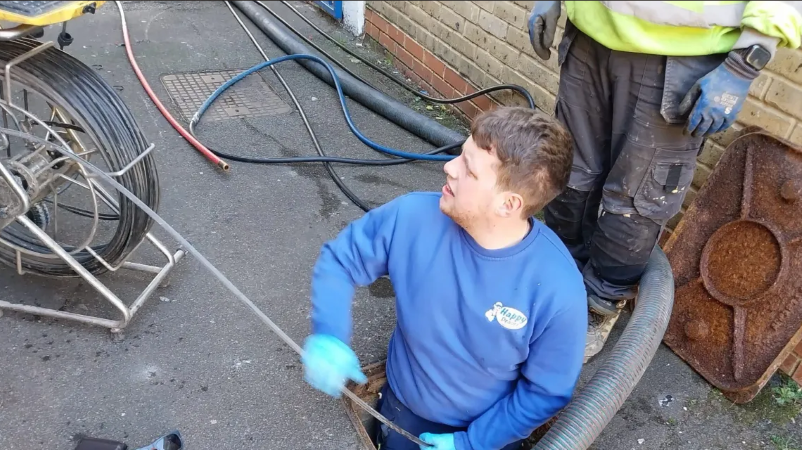
A drain cover in your garden does not necessarily mean you are responsible for repairing the pipe beneath it. Checking who is responsible before a problem occurs can help you contact the right organisation when you need help.
In Brighton and Hove, a drainage problem may need help from a homeowner, a managing agent, the council or Southern Water. Who you contact depends on where the problem is and which drains are affected.
Flooding is a concern away from the seafront too. Brighton and Hove City Council’s investigation into flooding in summer 2023 identified surface water as the city’s main flood risk.
This is rainwater that collects or flows over the ground. The report described routes that it can follow from the South Downs towards the sea, along valleys and major roads.
Water reaching a home may therefore come from further up the road. Clearing a blocked drain on the property may help with a local problem but it may not stop that incoming water.
Start with where the water appears
You can gather useful information without lifting drain covers or entering floodwater. Note whether water is collecting beside an outside drain, backing up through a toilet or arriving from the road.
Record when it started, whether it follows rainfall and whether neighbouring properties are affected. Take photographs from a safe position to help explain the problem.
For firms handling drain call-outs across Brighton and Hove, those details help decide what to check first. A kitchen sink that drains slowly in dry weather may have a different cause from water collecting outside a basement window during heavy rain.
Report suspected public sewer problems to Southern Water and blocked road drains to the council. If you do not know where a pipe runs or who is responsible for it, ask for that to be checked before booking repairs. A pipe can be on your land without being your responsibility.
Check whether a drain serves your home or several properties
In 2011, water companies took over responsibility for many previously private sewers. Ofwat explains which pipes were included in the transfer.
A drain serving only your home is normally your responsibility while it is within your property boundary. A shared sewer, or the section of pipe outside your boundary, may be the water company’s responsibility.
Check the arrangement for your property, especially if the building has been converted or the drains have been altered.
Happy Drains’ guide to checking drain responsibility explains common arrangements. It can help you understand what to ask but you will still need to confirm who is responsible for the particular pipe.
If your home is in a house converted into flats, ask the freeholder or managing agent for previous inspection reports and repair invoices. They may also know how contractors can access shared drains. Keep copies somewhere you can find them quickly.
Buying a basement flat: ask about previous flooding and repairs
If you are buying a basement flat, ask whether it has flooded before. If it has, find out where the water entered, when it happened, what was inspected and what work was done afterwards.
Ask to see the reports and invoices. A bill for clearing a blockage shows that work was done on a particular day. It does not necessarily explain what caused the blockage, whether the pipe was damaged or whether further work was recommended.
A CCTV drain survey uses a camera to inspect the inside of pipes. Before booking, ask which sections will be checked, whether the report will show their route and what happens if the camera cannot reach part of the system.
The report should clearly identify anything left uninspected. A drain survey does not assess every way a property could flood, such as water running in from the road.
For a flat, also check who can give permission to access shared areas and arrange repairs. If a survey finds a problem, ask who is responsible for dealing with it and what needs to happen next.
Keep contact details and drainage records handy
Keep the managing agent’s contact details, instructions for reporting a problem to the water company and any drainage reports together.
Check outdoor drain grates for visible leaves or litter, without removing heavy covers or reaching into drains. If water repeatedly collects in the same place, report when and where it happens.
If you need a contractor, agree what the job includes and how much it will cost before work begins. Ask which extra work would need a separate quote. If repairs are recommended, request a written explanation of the problem and the proposed work.
These checks can help you explain the problem clearly, find the right person to contact and understand what you are being asked to pay for.
Sponsored editorial from Happy Drains.