The Constant Wife – Theatre Royal Brighton
Somerset Maugham’s The Constant Wife turns 100 this year, yet the Royal Shakespeare Company’s sparkling new production, currently on tour at the Theatre Royal Brighton, proves that some comedies of manners are genuinely timeless.
Last night’s performance of the play in Brighton was an absolute tonic: effervescent, stylish and genuinely funny, delivered with such lightness of touch that it’s easy to forget the play is a century old.
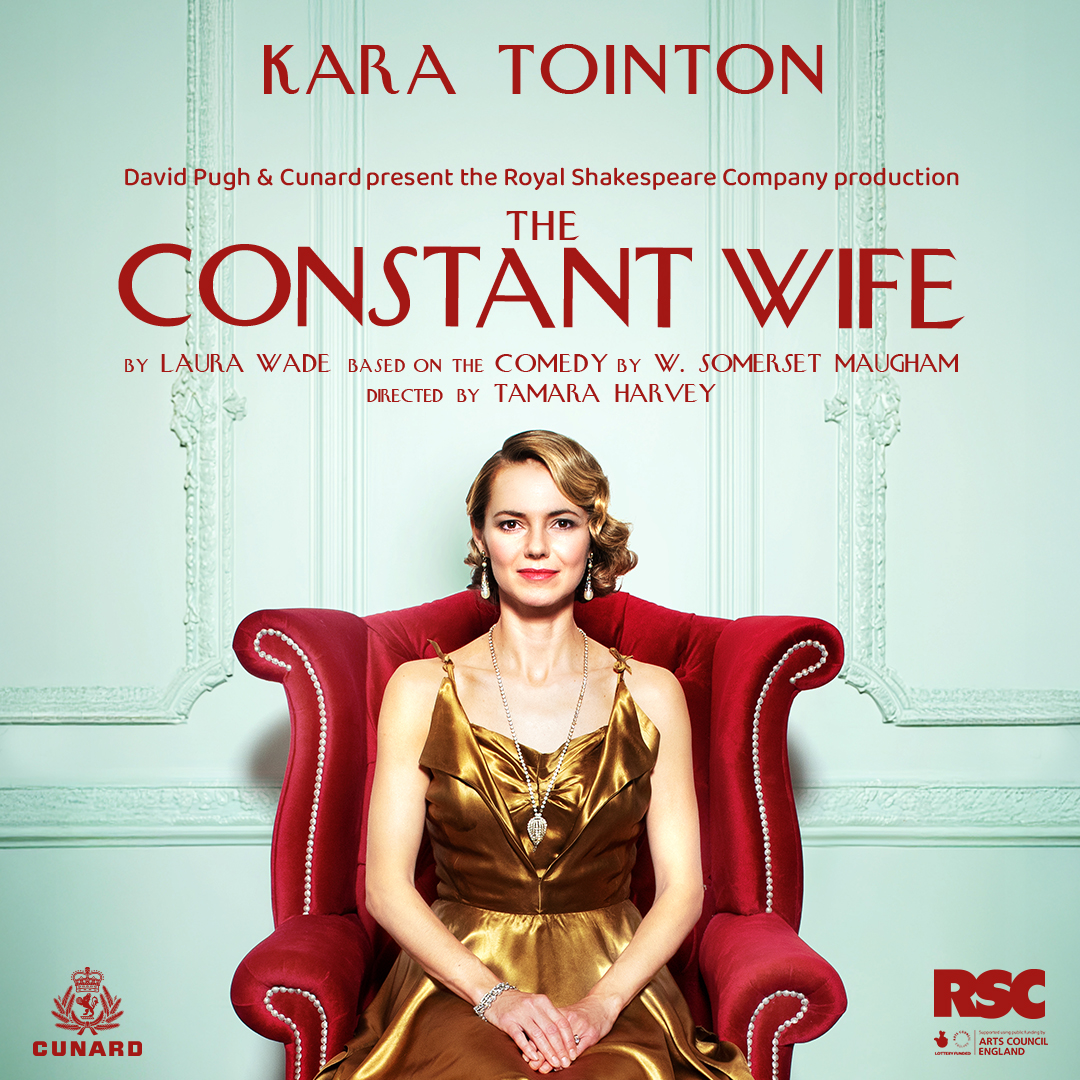
Written by W. Somerset Maugham in 1926, The Constant Wife, whilst a century old still feels uncannily contemporary. This new version, adapted by Olivier Award-winner Laura Wade, retains Maugham’s sharp-edged wit while sharpening its feminist bite. Described in its own time as “a sparkling comedy of ill manners”, it now lands as a sly, knowing comedy of power, marriage and female self-determination.
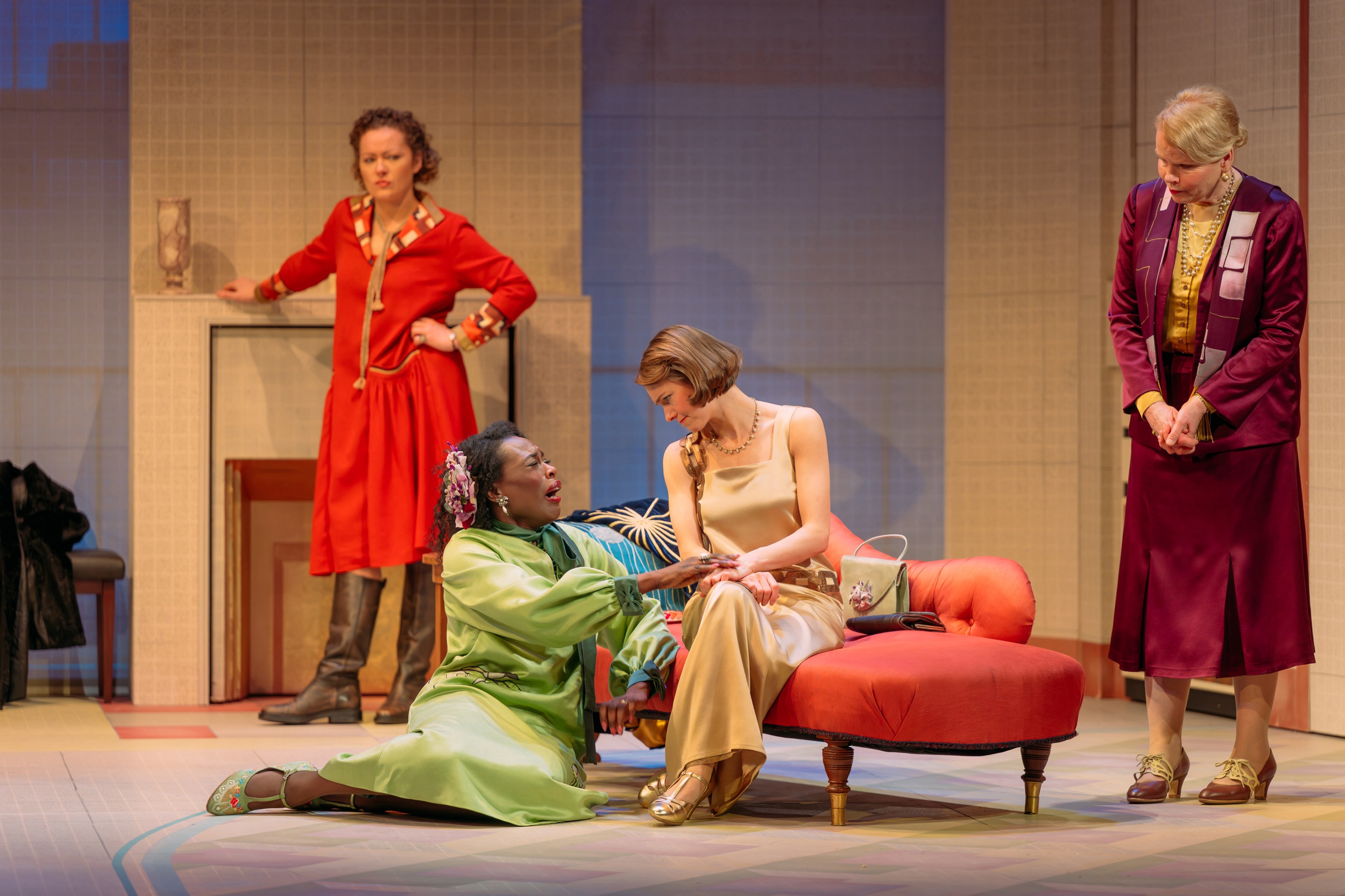
Set in 1927, we meet Constance: outwardly the perfect wife and mother, impeccably dressed, well fed, well rested — and profoundly unhappy. “Nonsense,” declares her mother. “No woman can be unhappy in those circumstances.” Oh if only that were true! Constance’s husband is devoted to her… and equally devoted to his mistress, who also happens to be her best friend. What follows is a slow, intelligent unpicking of social hypocrisy, emotional labour and women’s expected tolerance of male entitlement. Still relevant for this age.
Directed with precision by Tamara Harvey, this 1927-set story about marriage, fidelity, and social performance is witty, stylish, and remarkably contemporary — a production that allows the play to sparkle without losing any of its original bite. This production understands exactly when to let the text breathe and when to push the comedy. Harvey’s touch keeps the play buoyant and fast-moving while allowing its sharper observations to land cleanly.
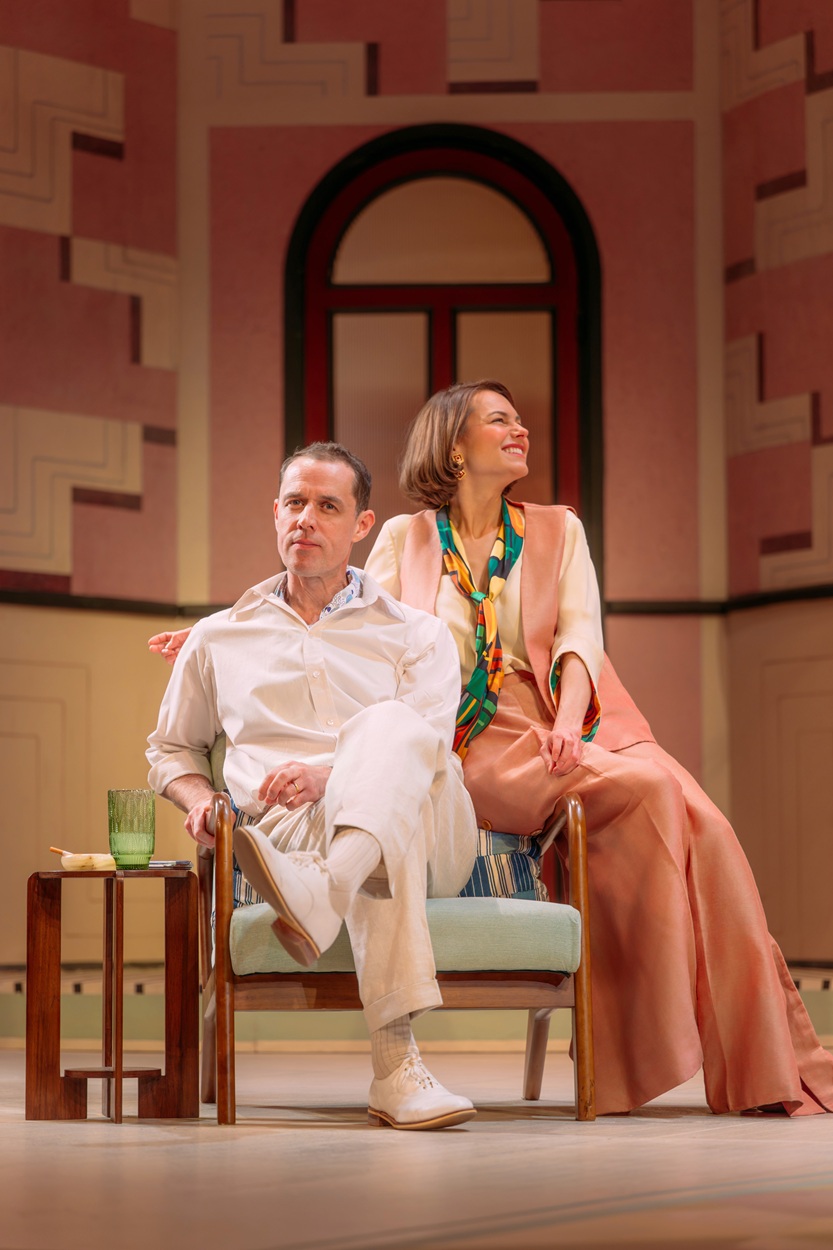
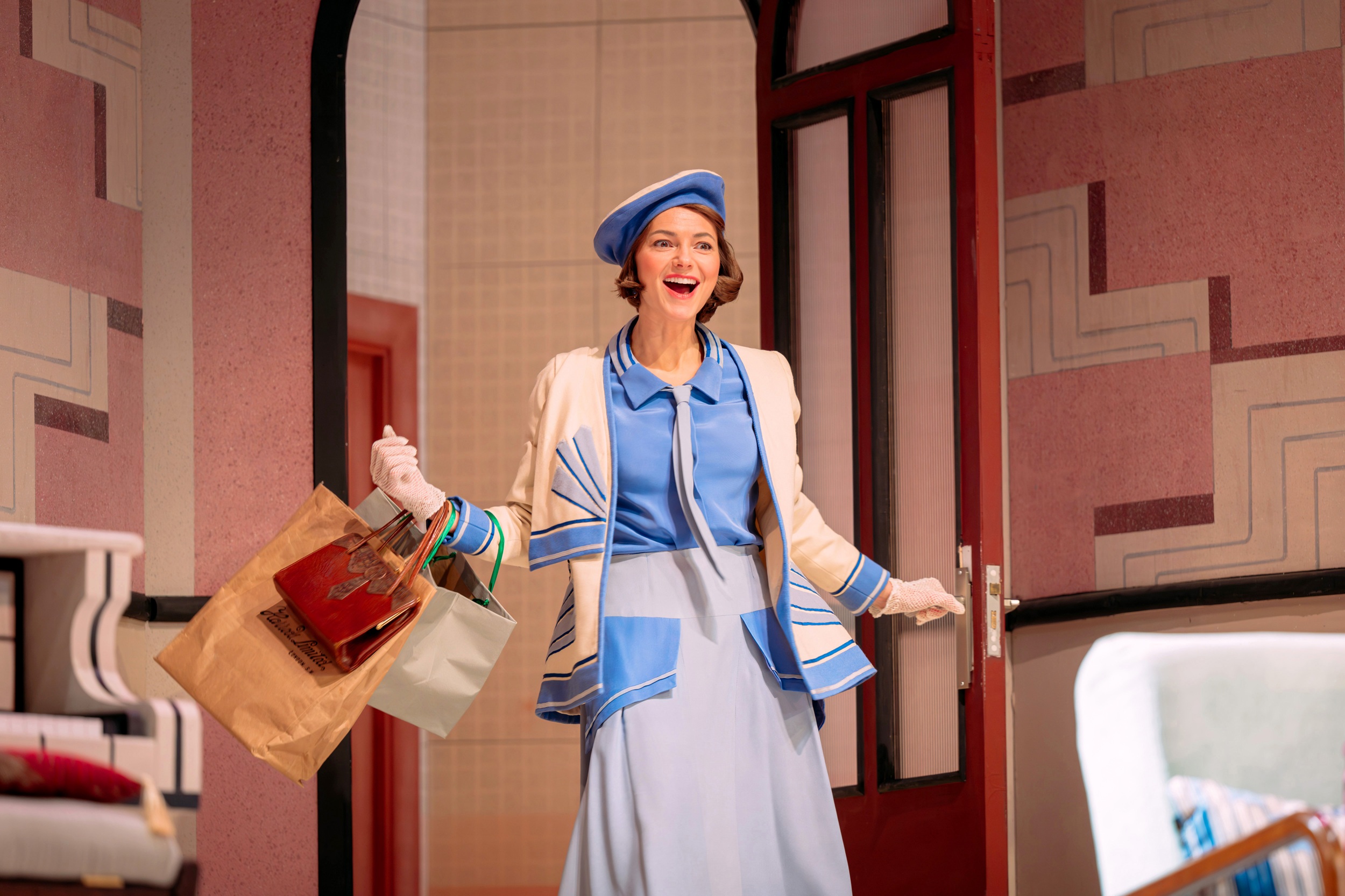
At its heart is the character of Constance, played with relaxed intelligence and effortless charm by actress Kara Tointon. Constance appears, at first glance, to be the perfect wife and mother: she eats well, sleeps well, dresses impeccably, and keeps her household in elegant order. Yet beneath the surface lies a woman who is entirely aware of the complexities, and hypocrisies, of her domestic life. Her husband, John, is devoted both to her and to his mistress, who just happens to be Constance’s best friend. What follows is a comedy that is as much about social observation as it is about marital mischief.
Tointon’s performance is a masterclass in balance. She commands the stage with a quiet authority, her delivery is clever and natural, and with immaculate timing. Her character is playful and knowing, capable of teasing the audience with sly asides — such as cheekily asking her husband if he’s taking his mistress… “up the West End” — and plotting quietly in her post-interval planning to address the state of affairs in her own subtle way. She allows Constance’s awakening to unfold naturally, with a sense of calm authority that makes the character’s ultimate choices feel both radical and entirely inevitable. The performance is both sympathetic and endearing, highlighting Constance’s wit and moral cunning in equal measure.

The supporting cast is equally strong. Gloria Onitiri’s Marie-Louise is a delightfully over-the-top, glamorous mistress, a bold choice of performance that proves completely right for the tone of the piece. Her narcissism and self-absorption are funny, but also revealing, embodying another version of womanhood shaped by male attention and social expectation. This delivery perfectly captures an equally childlike glee about this character’s pearls and passing fancies.
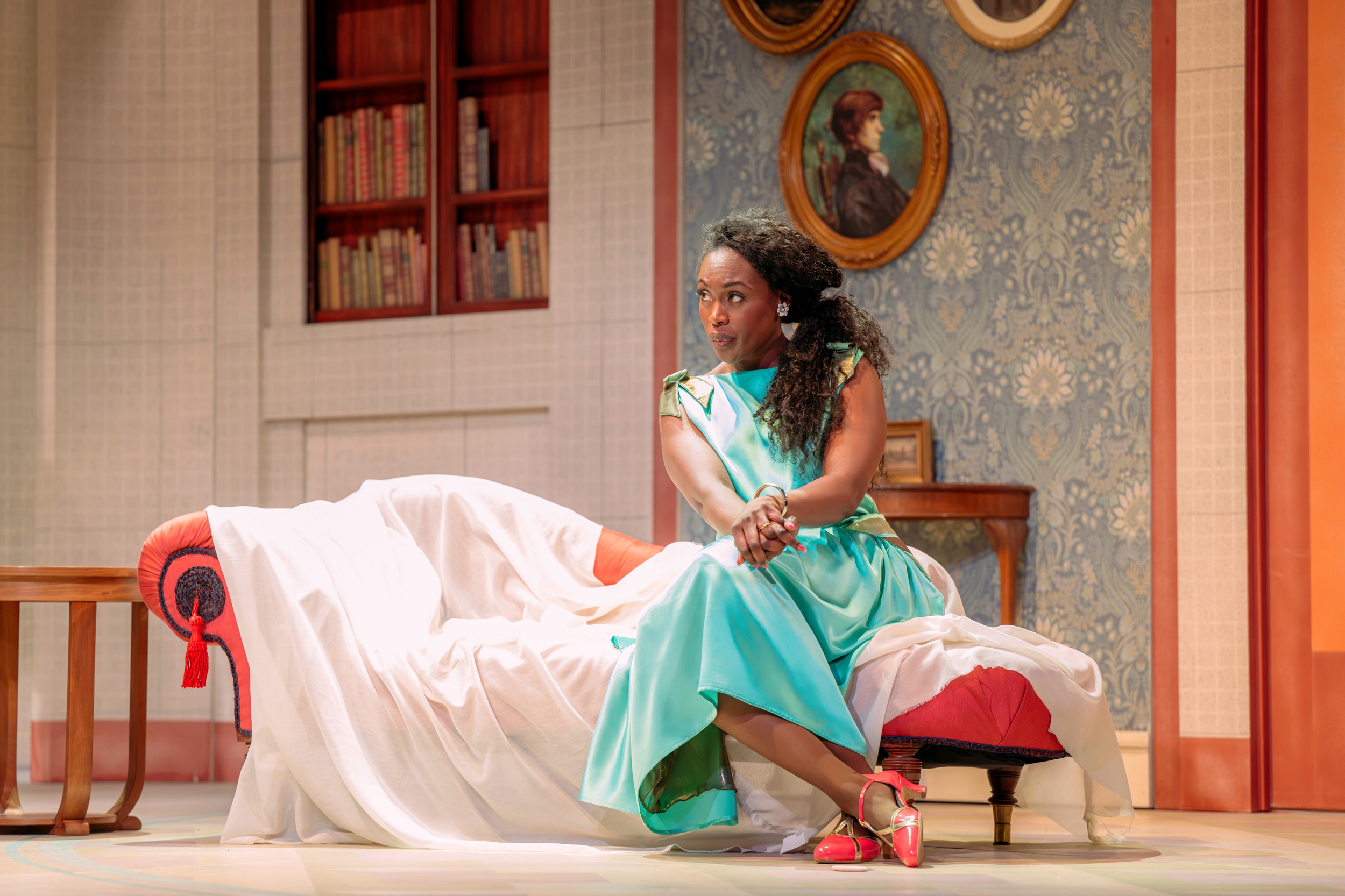
Jules Brown as Mortimer, Tim Delap as John, Alex Mugnaioni as Bernard, and Sara Crowe as Mrs Culver all deliver performances that are lively, precise, and perfectly in sync with the play’s brisk rhythm. It is a very modern piece. The ensemble nature of the production means that even the smallest role is sharply observed, with each character’s turn adding to the overall humour and nuance.
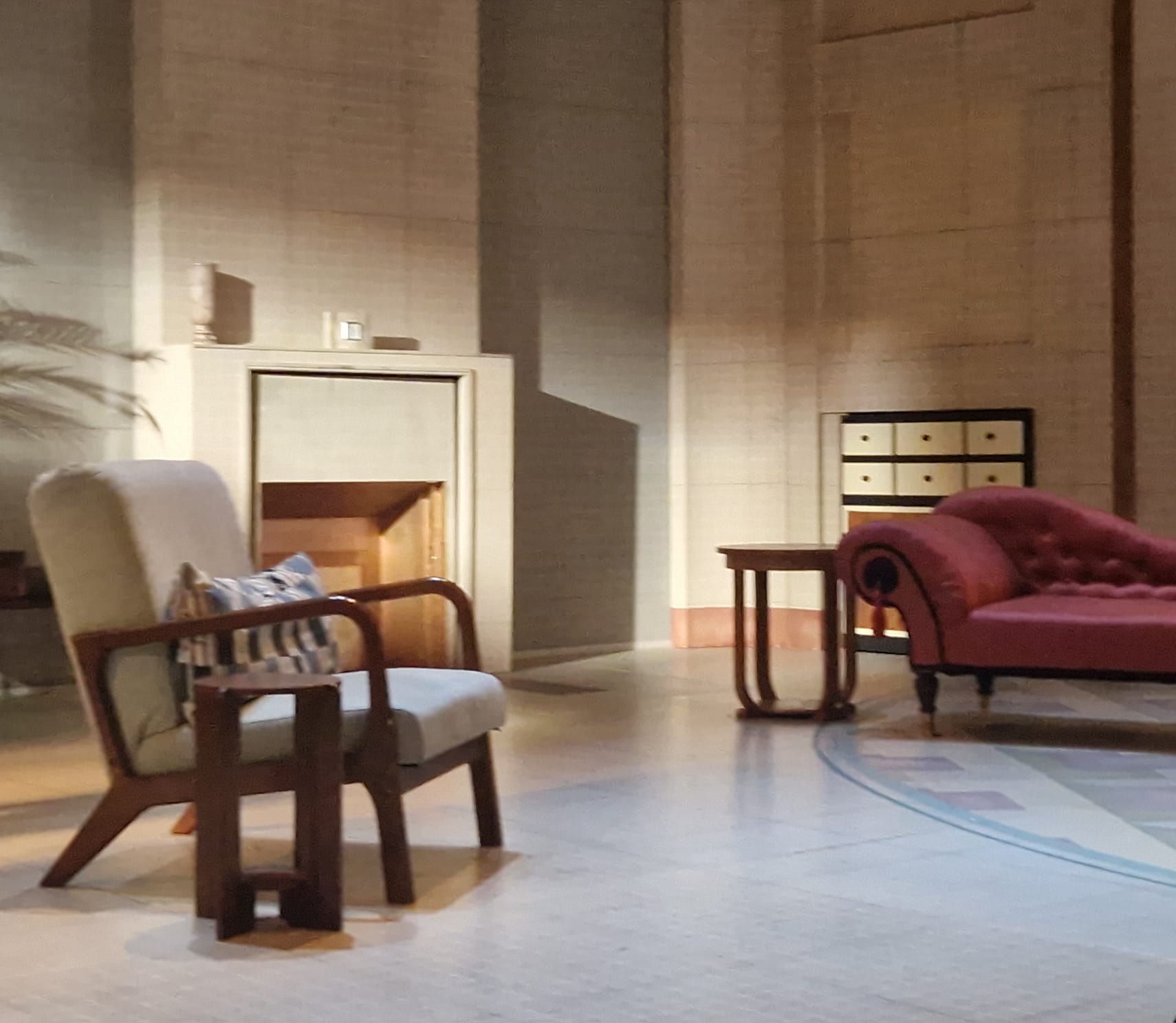
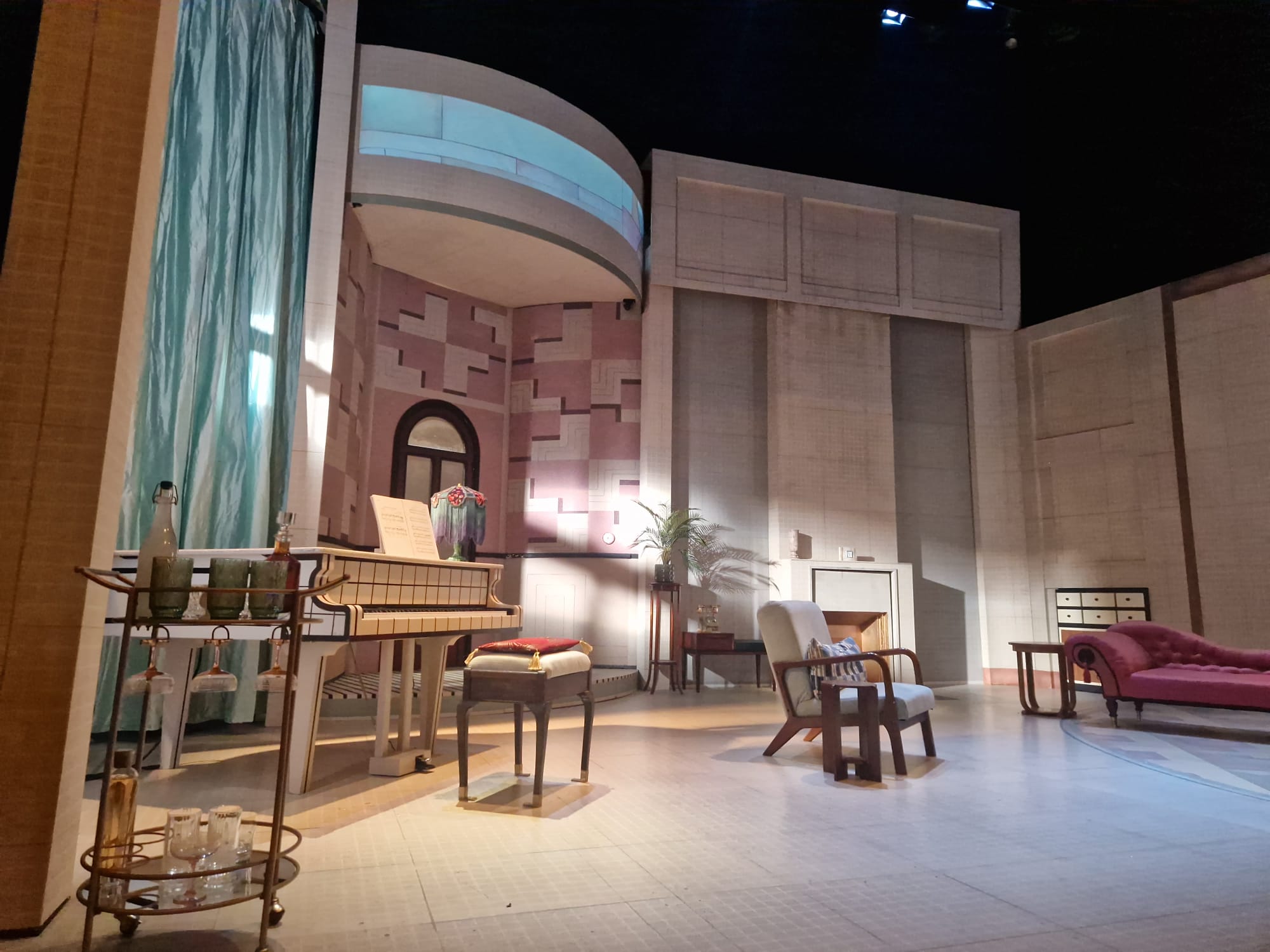
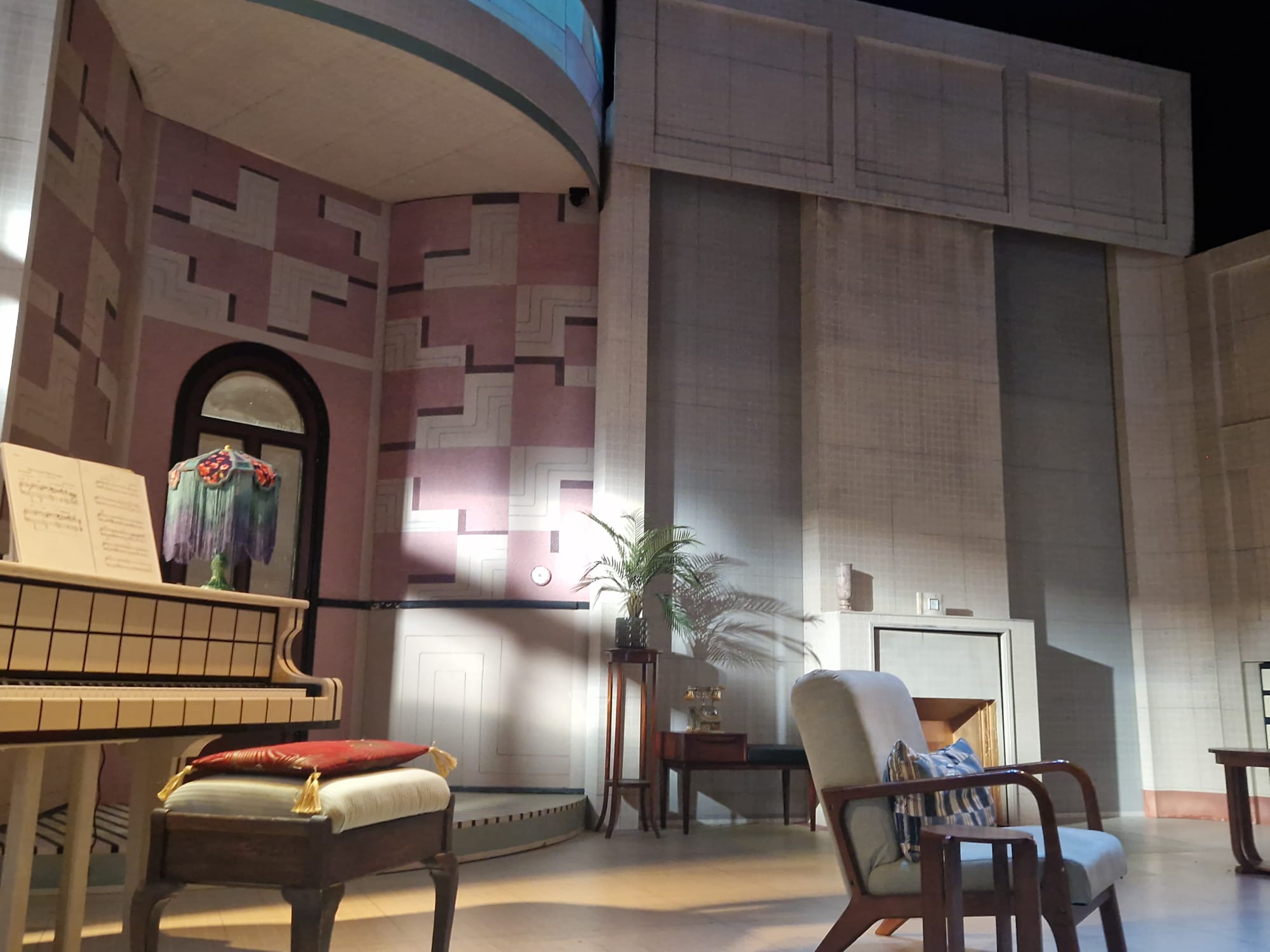
The production design is clever, subtle, and playful. A pared-back Art Deco set shifts seamlessly to suggest both a year before and a year hence, both cleverly and quirkily done, allowing the audience to move fluidly through time without confusion. The baby grand piano, played live by the butler on stage, is a charming touch, adding both whimsy and spectacle. Stylish period costumes help anchor the piece, fitting perfectly with the mise en scene, both stylish and carefully considered, supporting the characterisation and playful, modern sensibility of the staging.

This production also embraces a degree of meta-theatricality. Characters occasionally break the fourth wall (referring to a drinks trolley which has yet to be used), and there are witty nods to the play itself, including references to characters going off to see a show called The Constant Wife, which adds an extra layer of enjoyment for audiences attuned to theatrical playfulness. The written wordplay, timing of asides, and subtle nods to contemporary sensibilities all contribute to a performance that feels fresh despite its centennial heritage.
What makes this production particularly enjoyable is the balance it strikes between comedy and observation. Somerset Maugham’s sharp-eyed social commentary — on marriage, fidelity, societal expectations, and the performance of happiness — remains just as relevant today. The production is light as souffle. The current iteration of the play lets humour shine, with an effervescent energy that carries the audience from the opening scene to the final curtain, full of wit and badinage. It’s charming, and thoroughly entertaining.
Original music by multi-award-winning jazz musician Jamie Cullum adds subtle texture, enhancing moments of tension, comedy, and reflection without ever overwhelming the action. Combined with Wade’s clever adaptation, Harvey’s assured direction, and the impeccable ensemble performances, the result is a production that honours Maugham’s text while inviting audiences to see it anew.
This RSC production of The Constant Wife is a delight: intelligent, playful, and sharply observed, with a cast that fully inhabits the humour, complexity, and elegance of Maugham’s world. Whether you’re a seasoned theatre-goer or simply in search of a sparkling night out, this comedy delivers with style, wit, and a touch of audacious charm. It’s a reminder that great theatre, like great humour, only gets better with age.
Funny, intelligent and beautifully performed, The Constant Wife is proof that a hundred-year-old comedy can still feel relevant and amusing — and deliver one of the most satisfying nights at the Theatre Royal Brighton has seen this year.
Details
Dates: Mon 23 Feb – Sat 28 Feb 2026
Mon – Sat at 19:30
Wed and Sat at 14:30
Venue: Theatre Royal, New Road, Brighton, BN1 1SD
Timings: 2 hours 20 minutes incl. interval
Tickets: From £15
Accessible: https://seatplan.com/brighton/theatre-royal-venue/access/

Find more arts and culture reviews at Brighton & Hove News – Follow @BHCitywhatson and @bhcitynews on Instagram.
Covering everything from fringe theatre to major tours across Brighton & Hove – tag us if you’re going!
#WhatsOnBrighton #BrightonandHoveNews #Brighton #BrightonTheatre #BrightonArts #BrightonHoveNews