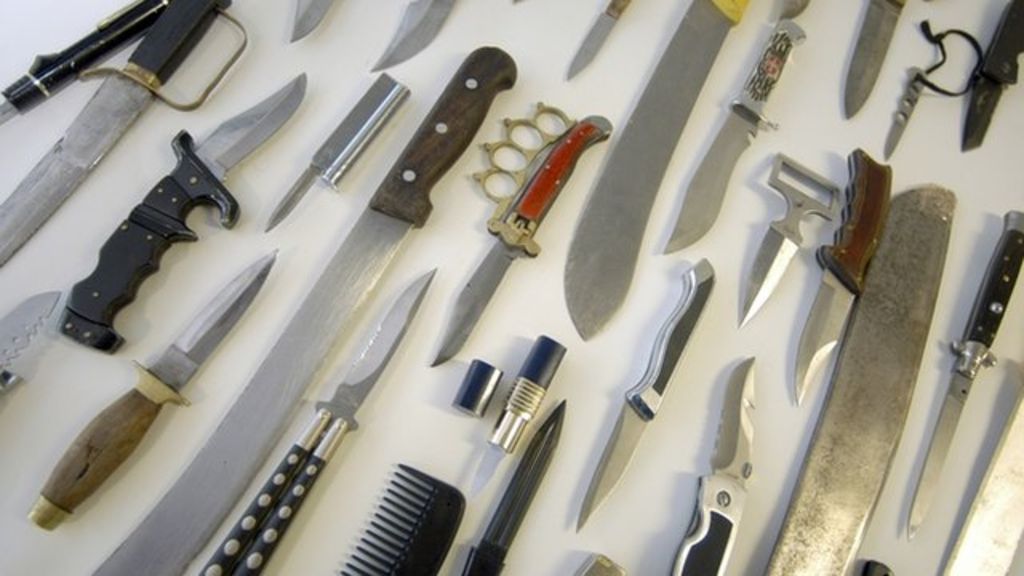
A specialist youth hub to is to be set up in Brighton – one of eight areas identified as a knife crime hotspot.
The new centre will initially be set up in a temporary building in Moulsecoomb but will eventually move to the new Moulsecoomb Community Hub once that is completed.
The hub is one of a raft of anti-knife crime initiatives announced by the Government this week. They also include specialist training in schools in knife-crime hotspots, mentoring for high-risk students and chaperones on school routes.
The development of the hub will be led by Brighton and Hove City Council, and run by externally commissioned providers and partners.
David Lammy, Deputy Prime Minister and Justice Secretary, said: “We know that targeted prevention makes a real difference, reaching young people before violence does, giving them trusted adults to turn to and the support they need to choose a different path.
“This funding will help schools do exactly that: protect children and build the safer streets every community deserves.
“I am determined that this Government will be the one that finally turns the tide on knife crime, through the kind of sustained, co-ordinated action that gives the next generation a genuine chance.”
Sarah Jones, crime and policing minister, said: “No child should fear walking to school. That is why we must prevent violence from ever occurring.
“With the right support, the right opportunities and the right interventions in the right places, we can prevent harm long before a young person finds themselves in danger.”
The government has also announced £26 million will be ploughed into a Knife Crime Concentrations Fund, which will support police to boost operations in knife crime hot spots identified by the mapping technology.
New hyperlocal mapping technology, developed by the Home Office, will pinpoint knife-crime hotspots down to 0.1 square kilometres.
This system will allow police to identify where knife crime is highest, particularly during school commuting hours, to decide which schools could benefit most from the intervention.
It will also be shared with police to help them target streets and places where knife crime occurs. The areas will see increased police patrols, new CCTV cameras, live facial recognition and knife detection arches.
The funding will be allocated to the 27 police forces in England and Wales that deal with 90% of knife crime.








I just don’t understand what manufacturers make these knives and how they sleep at night.
Just look at some of them!
All needed as lack of affordable housing drop tories. Luckily Labour fixing with affordable housing police and higher minimum wage
until manufacturers and sales and delivery companies are fined as well for aiding and abetting knife criminals this will not stop. Knife killers must be executed. How do teenagers think they can get away with carrying and using a knife because of a nasty message on Facebook?