
Questions about Andrew Mountbatten-Windsor’s appointment as a special envoy have sparked calls to apply freedom of information law to the royal family.
Members of the public have a general right to access information held by public authorities but communications related to the royal family or royal household are exempt.
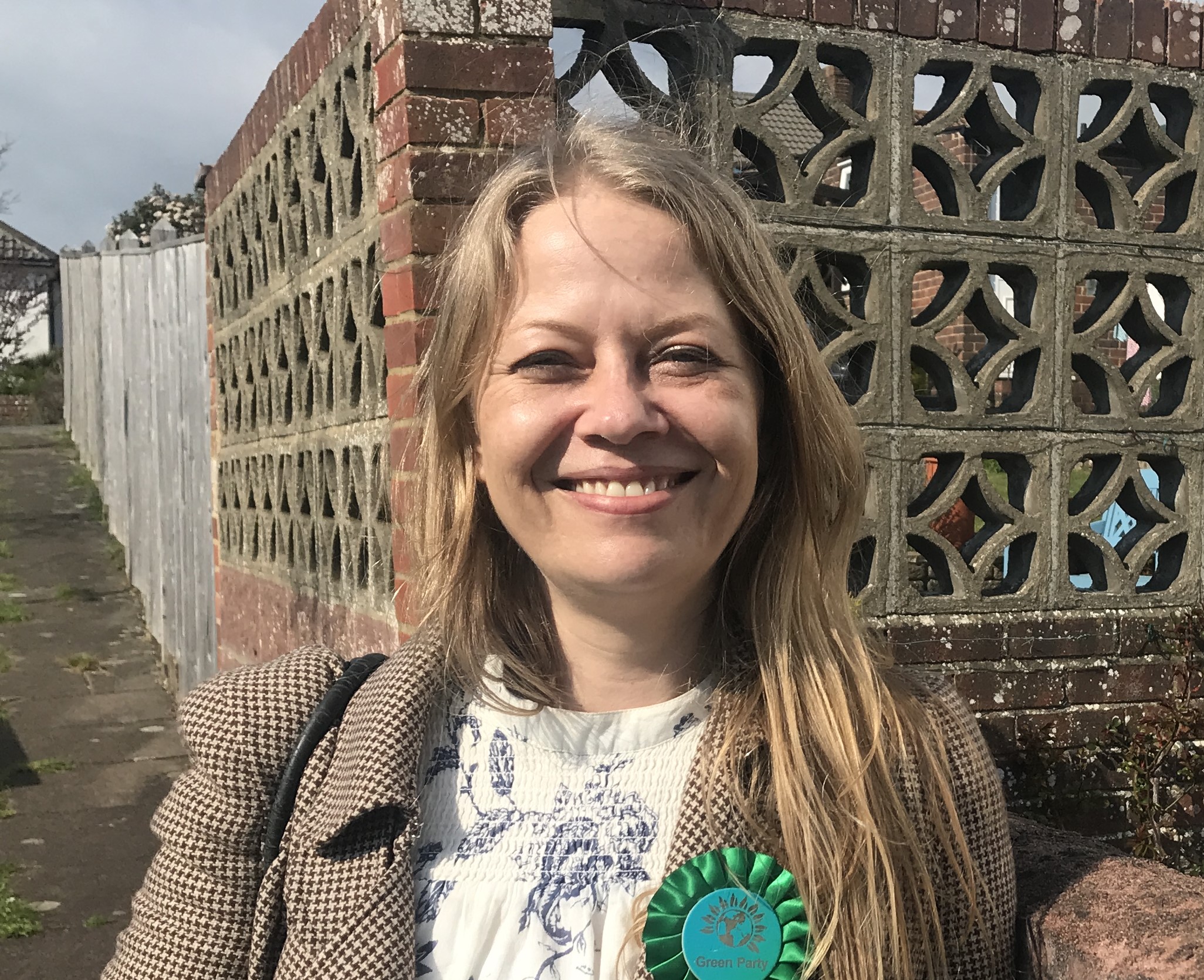
Brighton Pavilion MP Siân Berry said that the exemption could be abused to evade legitimate scrutiny such as when ministers appointed members of the royal family to government-linked roles.
The former Duke of York faces allegations of sharing sensitive information with paedophile financier Jeffrey Epstein while acting as a special representative for trade and investment from 2001 to 2011.
He was taken into custody on suspicion of misconduct in public office last week, before being released under investigation.
The Green MP spoke during a debate in the House of Commons on a Liberal Democrat motion, which was approved, requiring the government to release “all papers” related to the former royal’s previous role and his appointment to it.
Ms Berry said: “Transparency about workings of an organisation is a key way to prevent corruption. Sunlight really is the best disinfectant.”
Turning to the exemption, she said: “Now, that really is one rule for the rich and powerful and one rule for the rest of us.”
She later told MPs: “I believe this is a serious transparency loophole for royals that must be closed.
“For example, it could mean that if positions such as trade envoy are filled by members of the royal family, it would be predictably significantly harder for the press, public and MPs to make sure things are above board – and much harder to get details when things go very, very badly wrong.”
Ms Berry said that the exemption had given members of the royal family “power to act in the shadows, concealing important truths from MPs and the public”.
The MP later told the Press Association that she was considering trying to remove the exemption, either by tabling her own bill or trying to amend a future piece of legislation.
Adam Dance, the Lib Dem MP for Yeovil, said: “We rightly say that no one in the country is above the law and recent weeks have reinforced that principle.”
He asked Ben Maguire, the Lib Dem MP for North Cornwall who was speaking before him: “Do you think the government should now consider bringing the royal household within the scope of the Freedom of Information Act to strengthen the confidence in our institutions?”
Mr Maguire said Mr Dance had made a “powerful point”. The freedom of information exemption was one of several, covering issues such as national security and advice to ministers.
In the chamber, MPs additionally must not cast “reflections” on the conduct of the King, his heir or other members of the royal family, unless their discussion was based on a substantive motion, according to the guide to parliamentary procedure Erskine May.
SNP MP Brendan O’Hara said that this meant that when the former Prince Andrew was a trade envoy, MPs “were not allowed to question or examine what (he) was doing as a special trade envoy”.
The MP for Argyll, Bute and South Lochaber added: “These archaic rules make a mockery of our democracy.”
He also said: “There’s a slight irony, you know, that we like to talk (about) ourselves as being the Mother of Parliaments – the cradle of democracy – and yet, when it comes to an issue such as this, we are bound by archaic rules which means we cannot hold the most powerful people to account.”
Trade minister Sir Chris Bryant said earlier that the government supported the Lib Dems’ motion, adding: “We’re not standing in the way. We will do everything we can to comply with that as fast as we possibly can.”
Sir Chris later clarified that the government was unable “to put into the public domain anything that is required by the police for them to conduct their inquiries, unless and until the police are satisfied”.






Try scrutinising politicians, in particular those with property portfolios which include housing, then look at how they vote in parliament. I think YOUR job is busy enough without duplicating work already being done by our Police, Goverment, the US Police and Government, maybe use your tax funded time on the taxpayers who voted you in.