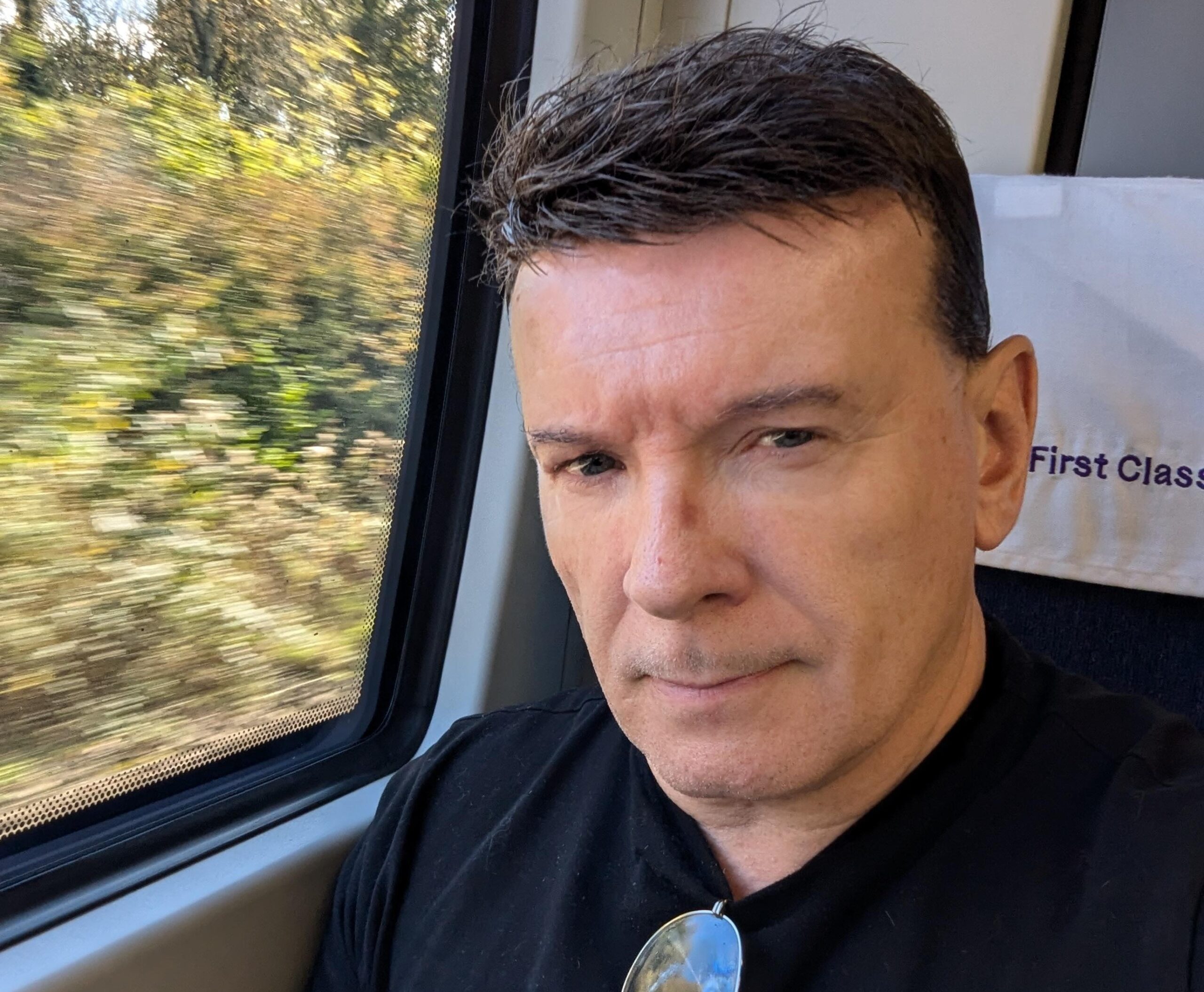
A Brighton man is trying to find his “guardian angel” – the woman who saved his life when he had a stroke while shopping in Sainsbury’s.
Kieran Jones, 58, is also warning others to check their blood pressure before it could be too late.
Mr Jones is supporting the Stroke Association call for more awareness of the risks of high blood pressure on Stroke Prevention Day today (Thursday 29 January).
The charity is warning that nearly 414 people will have a stroke every day in the UK – that’s one person every three and a half minutes – by 2035 unless the public, NHS and the government tackle prevention.
Mr Jones’s stroke, which has left him with a range of physical and emotional difficulties, happened when he went to Sainsbury’s, in New England Street, to buy soup for a neighbour last March.
Mr Jones said: “I felt weak and so I went to the door at the front of the shop to get some air. I had just run up to the shop so felt it was weakness due to that.
“Someone suggested that I sit down and advised me I could be having a stroke and so she was calling an ambulance which came quickly.
“I was in denial – I was too young and fit to be having a stroke. However, she was adamant as she said she was a nurse.”
Mr Jones is hoping to find his mystery “guardian angel”. He said: “I would love to know who that woman was to thank her for saving my life. I’ve not been in that Sainsbury’s since. I can’t bring myself to go in.”
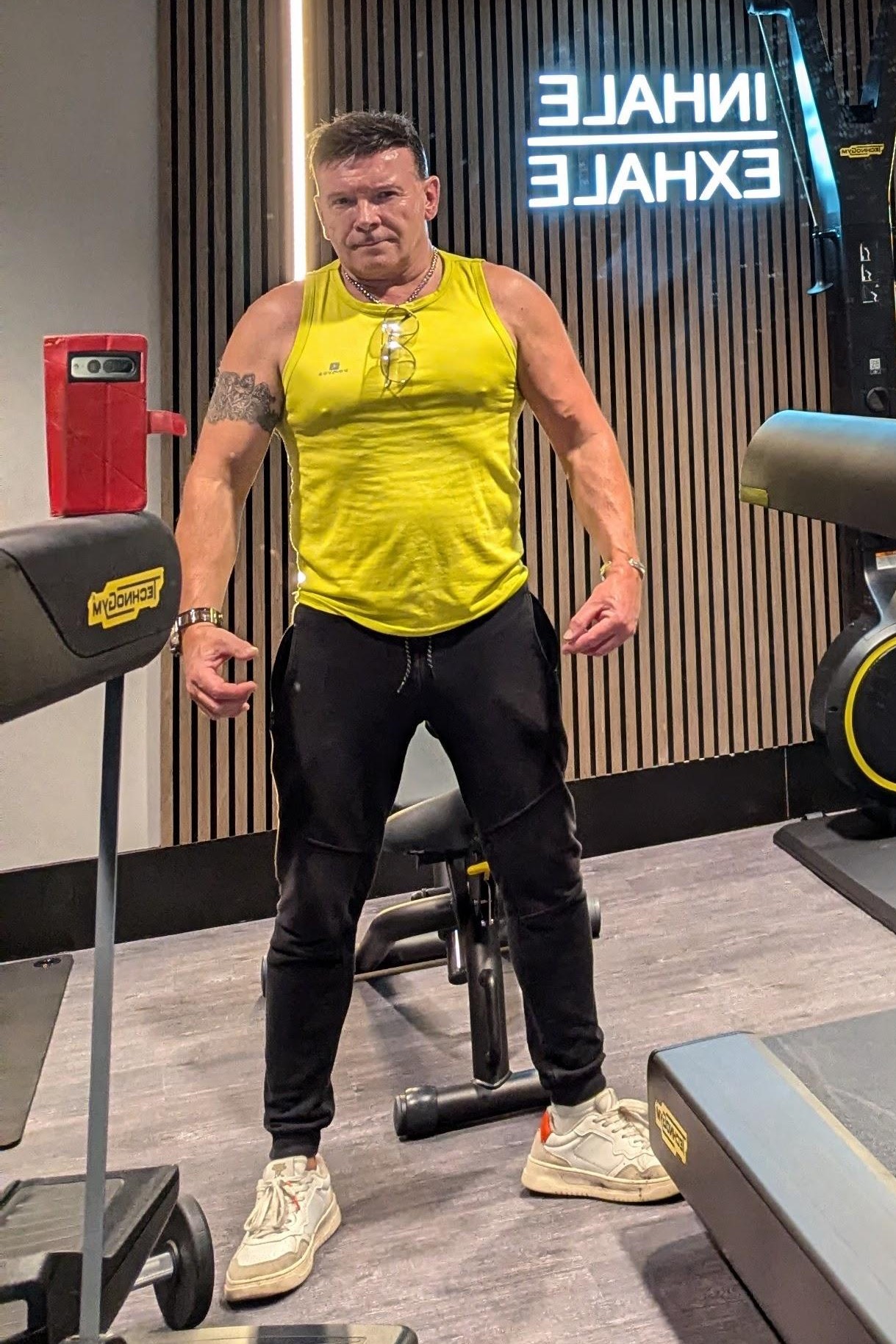
Despite being a keen body builder and boxer, Mr Jones had a phobia of having his blood pressure checked.
He had previously been warned several times that his blood pressure was high, though doctors thought he may have “white coat syndrome” which is when someone’s anxiety in a medical setting can cause higher readings.
Mr Jones said: “I would panic if they came near me with the machine. I couldn’t put the cuff on my arm. The GP would say: ‘I’m not going to take your blood pressure because you’re going to panic.’
“Even when I was at home and taking my own blood pressure, it kept spiking. I could feel myself getting anxious. It’s the fear of a high reading – I always have a fear of something going wrong.”
Mr Jones said that when his blood pressure was tested it was found to be “outrageously high” at 210/106.
Blood pressure is considered high when it’s 140/90 or higher when checked by a healthcare professional, and 135/85 or higher when checked at home.
The effects of Mr Jones’s stroke – and the second one that he had at home seven weeks later – include weakness in his left arm and poor dexterity in his left hand, attention and problem-solving issues, severe fatigue, leg weakness and blurred vision.






Surviving a stroke is the most difficult thing most people will ever have to deal with. I have seen first hand that someone this young should still get a lot better. The other important thing to check for is AF as this also causes strokes and they call it the silent killer.
Really important message there, Jane. Alongside blood pressure as well. Basically, make sure you have a check-up every once in a while!