
Young people who need extra support instead seem to fall off a “cliff edge” when they reach 18, a councillor said during discussions about transitioning from children’s to adult services.
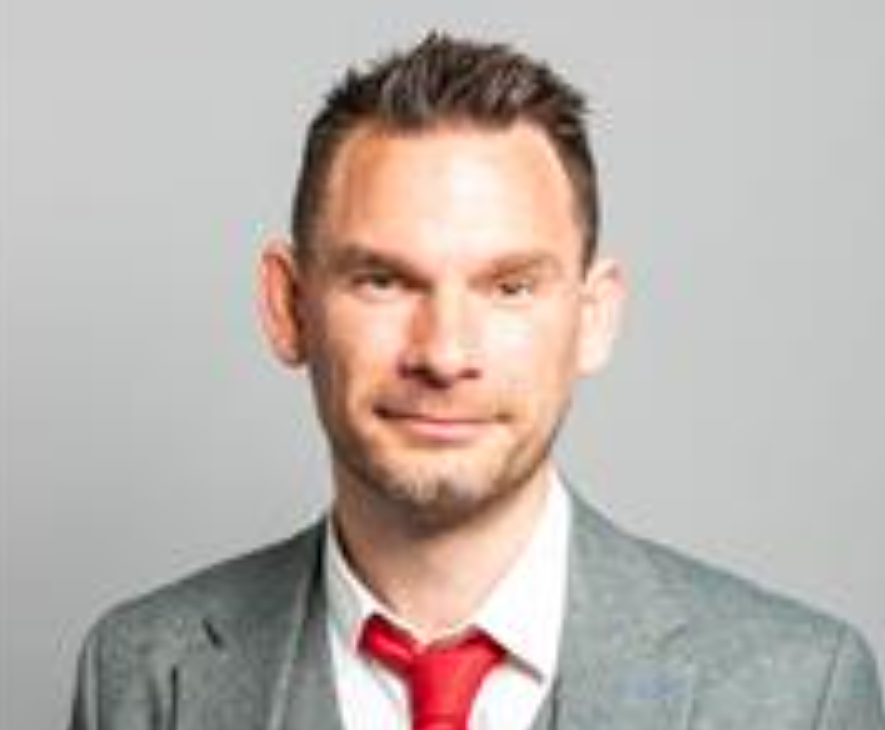
Labour councillor Tristram Burden made the comments as he introduced Brighton and Hove City Council’s draft transition to adulthood strategy to members of the council’s People Overview and Scrutiny Committee.
At the meeting yesterday (Wednesday 9 October), Councillor Burden said that, legally, adulthood began at 18 although young people could join the armed forces and start driving before that age.
For young people receiving support services, there was a shift from being governed by the Children Act and the Care Act – and the strategy was intended to bridge that gap.
Councillor Burden, cabinet member for adult social care, said: “This shift is often referred to as a ‘cliff edge’ because the services available to young people at age 18 may not meet their developmental needs or circumstances.
“And young people who turn 18 are often not deemed eligible for these adult services.
“For 17-year-olds who have support or safeguarding needs, those needs don’t simply disappear when they turn 18. But the agencies responsible for supporting and protecting them often do.”
A report to the committee said that the strategy was a work in progress for young people from 18 to 24 who needed support to live independently, find work and access healthcare.
It said: “It recognises that a poorly managed transition period leads to poor outcomes for young people and expensive interventions further down the line.
“It aims to provide an effective and appropriate local offer of combined services to help parents and carers prepare their children and young people into adulthood.”
The council is setting up a transition steering group with representatives from support groups such as Amaze, the Parents Carers’ Council (PaCC) and Mascot (Managing Autism Spectrum Condition Ourselves Together) alongside NHS and care professionals.
One of the issues that the council has recognised by working with support groups is that transition starts too late.
Fiona England, of PaCC, who has a 21-year-old son with a severe learning disability needing 24-hour care, said that co-production was not where it should be because the organisation had limited resources.
She said: “Transition experiences are variable. We’re talking about duplicating, timeliness of provision, lack of clear information and support. The statistics highlight the scale of the problem.
“There are examples of good practice in the city – the youth employment hub, our colleagues at Amaze future projects and commissioned youth services.”
She said that the issue was complex and required skilled project management across a number of council teams.
Amaze chief executive Sally Polanski said that a good transition process would help a disabled young person access education and training, pursue their hobbies and support them to manage their disability to live independently.
She said: “If done well, a transition plan can put the needs and hopes of young people at the heart of that process.
“If done badly, young people are not just at risk of losing their potential. They risk isolation and exclusion from society.”
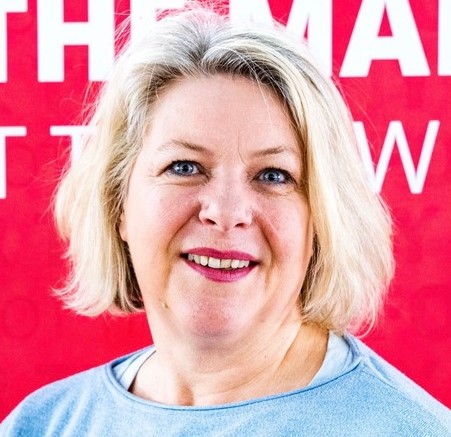
Labour councillor Lucy Helliwell said that she had “lived experience” because she had an autistic child with special educational needs who did not have an education, health and care plan (EHCP).
Councillor Helliwell said that they “qualified for zero support” and had never been given a “pathway” or any extra help.
“If it hadn’t been for Amaze, I’m not quite sure what we would have done. The council has done nothing. The health service has done nothing. But the youth employment service has been great.
“There is a lack of specifics here. There’s a steering group, liaising with this and that, and a pathway but there is no meat on the bone of who is in charge of what service.”
She was told that neurodivergent young people did have a pathway to support in adulthood. But the strategy was intended to put plans in place for those who did not already have support and were not receiving support through adult social care.
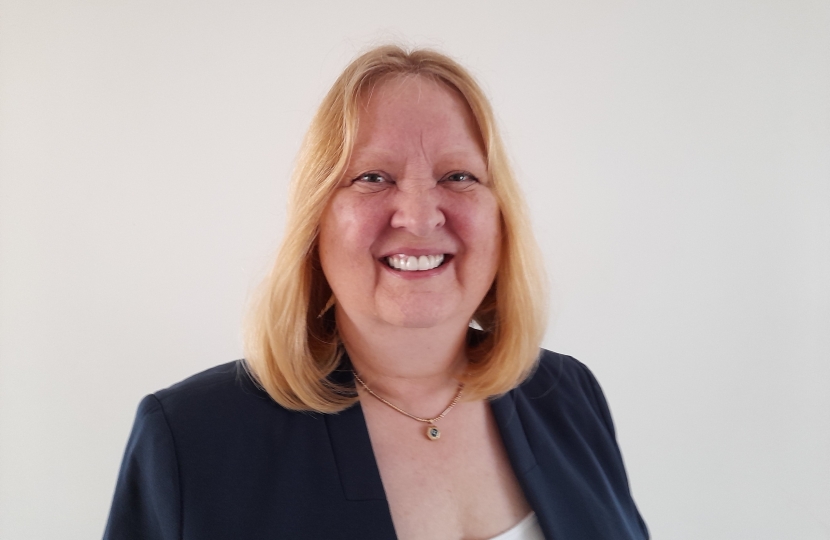
Conservative councillor Anne Meadows, who chaired the council’s Adult Social Care Committee 15 years ago, said that she had a “sense of deja vu” when reading the meeting papers.
Councillor Meadows said: “What lessons have been learnt so there is something new and innovative we are taking from this?
“Apart from the legislation, I can’t see anything different from what we were doing back in 2009, unfortunately.”
She was told that the council was working to new standards published in 2022 which required transparency and recognised how young people were disadvantaged through social care and health, with the aim of a broad approach to the transition to adulthood.








I’m sure that as well as presenting the issue it was accompanied by a fully costed plan and a source of the money needed.
There’s a lack of facilities for children generally in Brighton.
The Transition to Adulthood strategy should include where parents are informed about the Adult Social Care financial assessment……What options of provision is available ( residential care, supported living, day centres and activities etc) and which benefits are lost/ reduced by accessing these services………. An Adult Social Care Forum is an ideal setting for the council to inform parents of learning disabled young adults of current circumstances. It is a place to build a working relationship between the council and parents whose young people are too severely or profoundly disabled to speak for themselves. Have the most vulnerable seem to have been forgotten in Brighton’s policy???
Good points above. How will any such work be funded for it to be meaningful & where is representation for young people with severe & profound & multiple disabilities in matters relating to adult social care, housing etc? They are unable to advocate for themselves & rely on others to do this for them. Will there be a forum for them too? Much goodwill & expertise within our parent community & happy to work with BHCC for all our disabled citizens.
The question is are you looking to represent broadly or individually? For the latter, I’d gently suggest there are multiple avenues of approach one could take. Broadly is a bit trickier, and I agree on a wider scale, there could be more to be done to allow greater conversation with the council on broad matters, not just ASC.