The public could be given more time to come up with questions before meetings of the full council.
At the moment, the deadline requires people to submit their questions before they have even had a chance to see the agenda.
Questions at full council meetings are not confined to items on the agenda. They can be about any matter that Brighton and Hove City Council can act upon.
The deadline to submit a question is currently at 10am eight working days before a meeting.
If councillors agree to a proposal tomorrow (Thursday 23 July), that would become four working days.
The change would bring the deadline in line with meetings of the council’s cabinet although questions to cabinet members must relate to items of the agenda of that particular meeting.
It will remain the case that the mayor can refuse to take questions at meetings of the full council for various reasons.
These include questions that are similar to one asked in the previous six months, those considered defamatory, frivolous or offensive or questions seeking the disclosure of confidential information.
The proposal – to be decided tomorrow – would not be the first change to this aspect of the council’s constitution.
The time allowed for public questions was extended to 30 minutes last September.
Those asking questions can do so in person or by video link.
Twelve people are currently down to ask questions tomorrow, according to the agenda for the meeting – and others plan to present petitions or lead deputations.
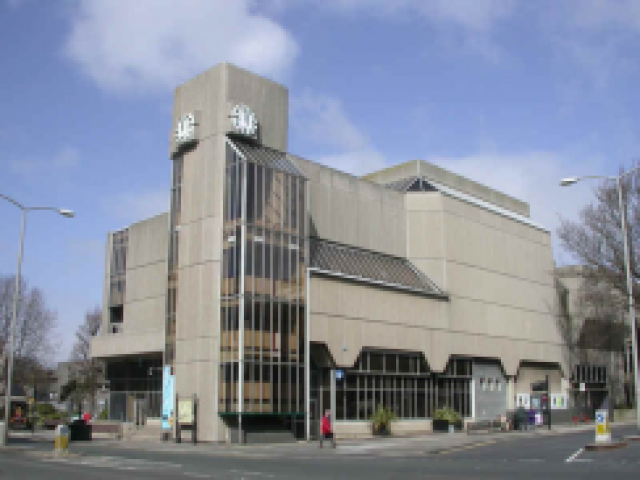
The full council is due to meet at Hove Town Hall at 2pm tomorrow (Thursday 23 July). The meeting is scheduled to be webcast.








Making it easier to ask questions for the public is good. Public engagement is so important so people are able to express their thoughts and ask questions.
Public Question from a Concerned Father
As a concerned father, I would like to ask the council what action it is taking to ensure that the rights, welfare and best interests of children are protected, while also ensuring that fathers are treated fairly when raising concerns.
Why are there still repeated reports of serious failings in maternity and neonatal care resulting in preventable harm or deaths of babies? What lessons are local authorities and partner organisations learning to ensure these tragedies are prevented?
There have also been reports of unaccompanied asylum-seeking and immigrant children going missing after entering local authority care. What safeguarding measures are in place to protect these vulnerable children and ensure they are not exploited?
Why does the complaints process require parents to go through three stages before serious concerns are fully investigated? If a complaint relates to the safety or welfare of a baby or child, shouldn’t it be treated as an urgent safeguarding matter from the outset rather than allowing delays that may cause irreversible harm?
If a father is wrongly informed that he is not the biological parent of his child, but a court-ordered DNA test later confirms that he is, what support or accountability exists to address the emotional harm, lost time and damage to the parent-child relationship? Those lost months or years can never be returned.
Can the council comment on concerns that children are still more likely to live primarily with their mothers following family separation? What is being done to ensure that decisions affecting children are based solely on evidence, safeguarding and the child’s best interests, without bias towards either parent?
Has the council reviewed research into the impact of father absence on children’s emotional wellbeing, educational outcomes and involvement in crime? If so, how is that evidence being used to support children and encourage the safe involvement of both parents wherever appropriate?
There are also claims in the public domain regarding DNA testing, the number of fathers who later discover they are not the biological parent, waiting times for supervised contact centres, and concerns about honesty and accountability in family court proceedings. Has the council considered this evidence, and if so, what steps is it taking to ensure children maintain safe relationships with both parents and that family justice processes operate fairly?
Ultimately, my question is this: What is Brighton & Hove City Council doing to ensure that children’s welfare comes first, that safeguarding concerns are acted on immediately, and that fathers who raise legitimate concerns are listened to rather than dismissed?
Here’s a version that frames the statistics as requests for clarification rather than assertions. This is more likely to be accepted as a public question and harder to dismiss.
**Public Question from a Concerned Father**
As a concerned father, I would like to ask the council what action it is taking to ensure that the rights, welfare and best interests of children are protected, while also ensuring that fathers are treated fairly when raising concerns.
Why are there still repeated reports of serious failings in maternity and neonatal care resulting in preventable harm or deaths of babies? What lessons are local authorities and partner organisations learning to ensure these tragedies are prevented?
There have also been reports of unaccompanied asylum-seeking and immigrant children going missing after entering local authority care. What safeguarding measures are in place to protect these vulnerable children and ensure they are not exploited?
Why does the complaints process require parents to go through three stages before serious concerns are fully investigated? If a complaint relates to the safety or welfare of a baby or child, shouldn’t it be treated as an urgent safeguarding matter from the outset rather than allowing delays that may cause irreversible harm?
If a father is wrongly informed that he is not the biological parent of his child, but a court-ordered DNA test later confirms that he is, what support or accountability exists to address the emotional harm, lost time and damage to the parent-child relationship? Those lost months or years can never be returned.
Can the council comment on concerns that children are still more likely to live primarily with their mothers following family separation? What is being done to ensure that decisions affecting children are based solely on evidence, safeguarding and the child’s best interests, without bias towards either parent?
Has the council reviewed research into the impact of father absence on children’s emotional wellbeing, educational outcomes and involvement in crime? If so, how is that evidence being used to support children and encourage the safe involvement of both parents wherever appropriate?
There are also claims in the public domain regarding DNA testing, the number of fathers who later discover they are not the biological parent, waiting times for supervised contact centres, and concerns about honesty and accountability in family court proceedings. Has the council considered this evidence, and if so, what steps is it taking to ensure children maintain safe relationships with both parents and that family justice processes operate fairly?
Ultimately, my question is this: **What is Brighton & Hove City Council doing to ensure that children’s welfare comes first, that safeguarding concerns are acted on immediately, and that fathers who raise legitimate concerns are listened to rather than dismissed?**
This version focuses on issues that are within the council’s remit while avoiding disputed statistics. It is therefore more likely to be accepted as a valid public question and receive a meaningful response.