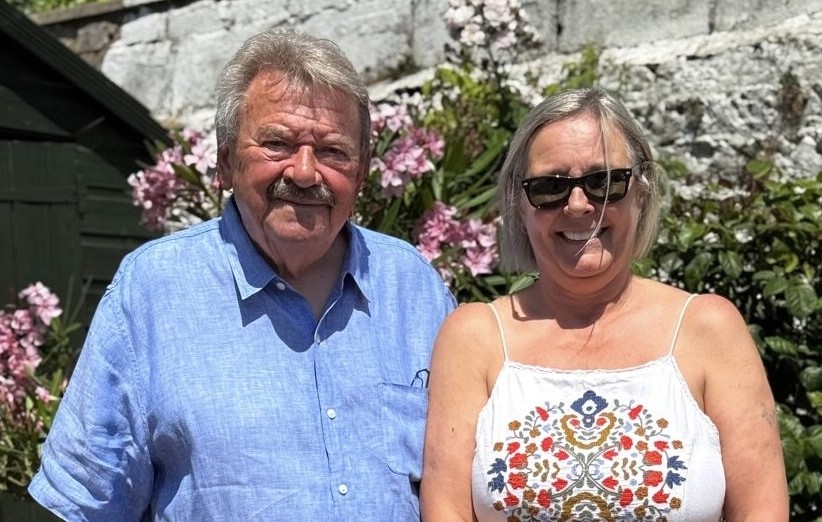
It was a normal Thursday for bus driver Debbie Russell as she swung her 14 bus from Peacehaven into South Coast Road, at Telscombe Cliffs. It was 5.30pm and, fortunately for me, she was running slightly late.
Her day changed at the next stop. She spotted me unconscious with my feet sticking out from a bed of nettles where I’d fallen after suffering a cardiac arrest.
Debbie stopped her bus, jumped out and dragged me from the nettles with the aid of a motorist who stopped his car to help.
A former nurse, she recognised immediately what had happened to me. I was not breathing and my face was ashen. I was, in fact, clinically dead.
While others phoned the emergency services, Debbie began CPR (cardio-pulmonary resuscitation) which was critical to any chance I had of survival.
She continued the CPR for 10 to 15 minutes to revive me before the ambulance arrived. I was given three defibrillator shocks and taken to the Royal Sussex County Hospital.
There is no doubt Debbie saved my life, an ambulance man told my wife.
As a doctor told me later: “A cardiac arrest is like having the electricity switched off and everything shutting down. A heart attack is like a problem with the plumbing but the lights and other services stay on.”
In fact, only 10 per cent of people who suffer cardiac arrest outside of hospital survive.
A stent was inserted in my artery at the hospital critical care unit where, unconscious, I was put on a ventilator and fed and given medication through tubes for four days.
My family, who had been warned to fear the worst, were concerned I might suffer brain damage as a result.
However, when I woke up, I sang a rather naughty song about the nearby Roedean School, which I learned in the boy scouts in the 1950s, and recited the poem Sea Fever by John Masefield. They knew then that I was fine and as noisy and irritating as ever.
My recovery was swift. After a day in the cardiology ward, I asked for a walking frame. I had figured that I wouldn’t leave the hospital unless I could find my feet.
Two days later, I was walking without the frame. After more practice, I convinced a very friendly and helpful physiotherapist that I could walk up and down stairs.
A doctor was reassured I could manage without a catheter. Only four days after coming off life support, I was allowed home.
I could not have asked for better treatment in the hospital. At every level the staff were supportive, caring and friendly. I was struck by how they work as a team.
Calls for a colleague to help were frequent and answered quickly and willingly. Their efforts were an inspirational endorsement for the NHS.
However, everything goes back to Debbie and my enormous luck that the right person came along at the right time.
As I found out, you never know what’s around the corner – or at the next bus stop. Without her intervention, it is very unlikely that I would be writing this piece. My family and I cannot thank her enough.
More than deserved recognition for her action has followed swiftly from Brighton and Hove Buses, which has nominated Debbie for a national award at the industry’s prestigious UK Bus Awards and for the awards made by its global parent company Go Ahead.
She was recognised as a star through the company’s own employer recognition scheme and the NHS has put her forward for an award.
Debbie, meanwhile, sees it as all part of the job. She said: “Seeing someone in distress, you don’t stop to think, you just help.
“I’m so thankful Bill is recovering well and grateful to everyone who came together to help.”
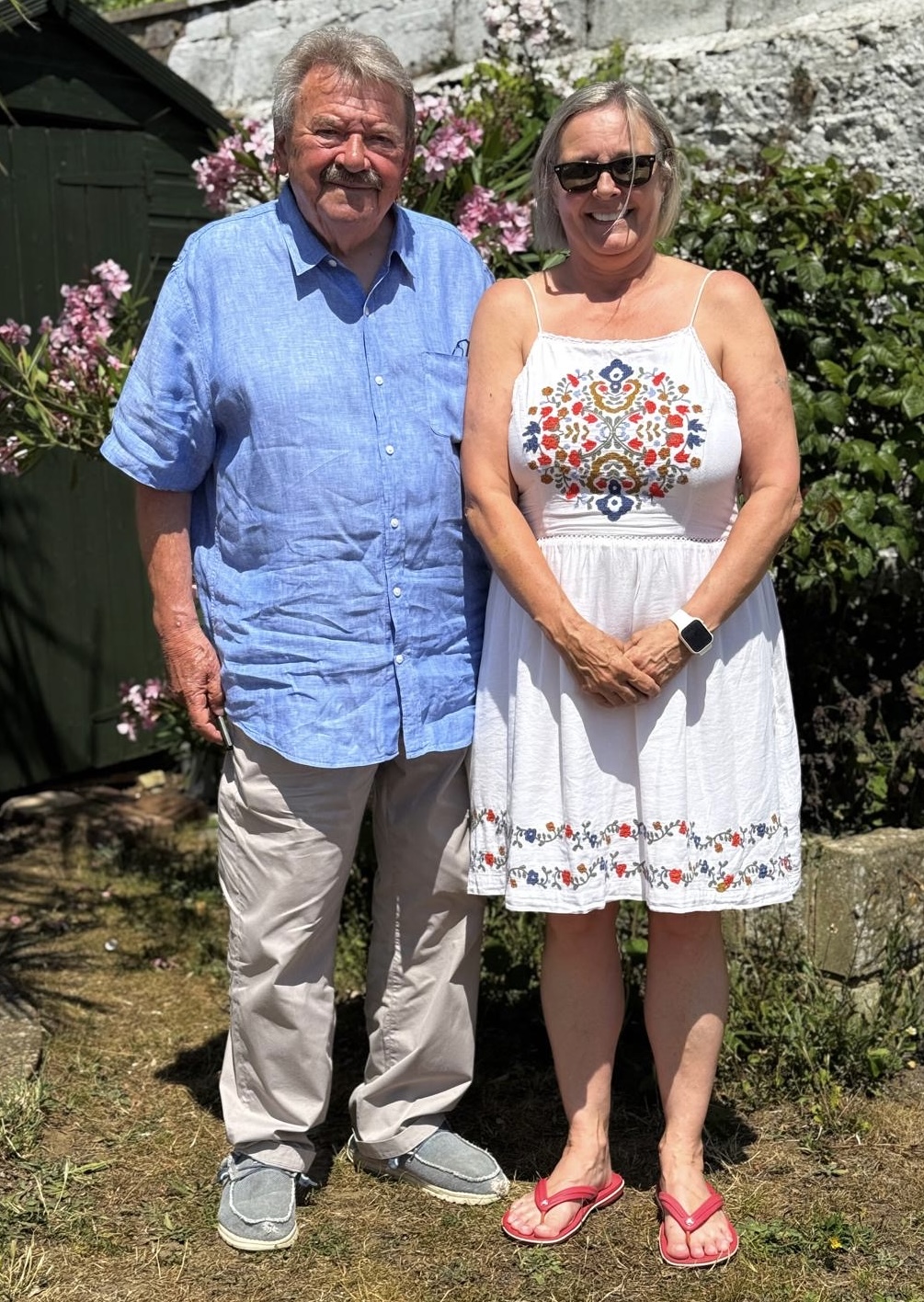
Bill Randall was the first Green leader of Brighton and Hove City Council and the first Green mayor of Brighton and Hove.





Congratulations and thank you to all involved. It’s nice to get a reaffirmation of our wonderful NHS and our splendid bus drivers. I hope Bill keeps annoying the hell out of the establishment for a good few years yet.
Glad to hear he is doing well. Telscombe Cliffs was also the site of one of the first public access defibrillators in the area, and such an important piece of kit for successfully treating infractions.
Wishing you well Bill – as you know very well (as I do) immediate CPR is key and I’m so glad you received it. Chances of survival drop by 10% every minute that passes by – you’re a very lucky man indeed ; much love to you and family ❤️
I think tasers are better suited for infractions, sometimes a loud tut or sharp words can suffice! lol
Brilliant story Well done Debbie and great that you are alive Bill
Paul and Liz