A review has highlighted shortcomings and challenges in maternity and neonatal services in Brighton and West Sussex.
Women and babies suffered unsafe care and too often their concerns were dismissed and they were not treated with kindness or respect.
A report, by Baroness Valerie Amos, said: “We heard concerns about not being listened to, delays in escalation, poor handovers and defensive responses after harm.
“Staff described burnout, low morale and ongoing capacity pressures, including the challenge of working across multiple hospital sites, sometimes at short notice. This can make it harder to provide consistent care and continuity for women and families.”
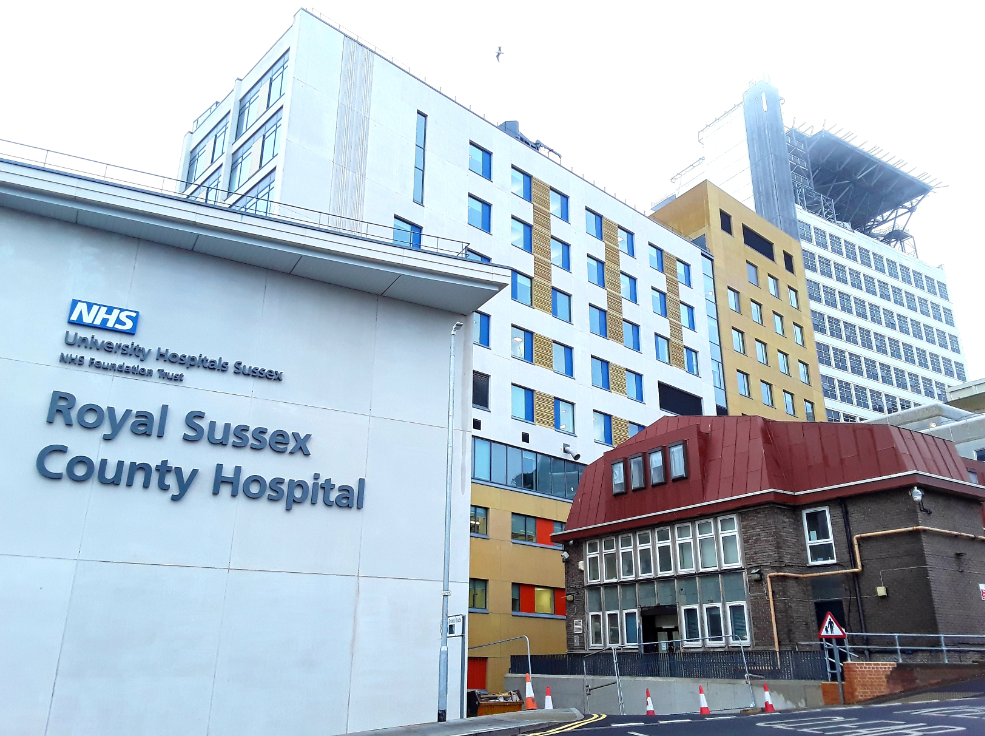
The report also said that parts of Royal Sussex County Hospital were “inadequate, with maternity and neonatal services spread across multiple floors and some areas feeling cramped”.
Baroness Amos published the final report and recommendations of the Independent National Maternity and Neonatal Investigation today (Tuesday 30 June).
The final report highlighted key areas of concern, identified barriers to change and set out “a robust package of eight recommendations aimed at delivering long-term systemic and cultural transformation in maternity and neonatal care for the 21st century”.
The report also included actions that could be taken at once, aimed at making “a significant difference to the experience of women and families and the ability of staff to provide safe care”.
The investigation conducted reviews of maternity and neonatal services in 12 NHS trusts to identify systemic issues affecting services across England and to inform the development of the national recommendations. Separate reports for each trust were also published.
Baroness Amos said: “Across the 12 trusts visited, there were consistent themes that emerged when reviewing the evidence. These are
1) Women not being listened to
Across all trusts we heard from women and families who were not listened to, dismissed and excluded from decision-making.
2) Staffing
Staffing levels that do not match demand, leading to heavy workloads and reduced continuity of care.
3) Demand and capacity
High demand on services, alongside the increasingly complex care needs of women which puts pressure on available capacity. This leads to delays, overcrowding and, at times, care decisions being shaped by available space and patient flow rather than clinical need.
4) Leadership and governance
Leadership and executive teams were aware of the challenges facing maternity and neonatal services but were not always equipped with the skills, knowledge and capabilities to make the changes required.
5) Response when things go wrong
Women and families across the country told us about traumatic experiences after things went wrong with slow or defensive responses from trusts, apologies not / or grudgingly made which were felt to be meaningless.
6) Inequalities
Inequalities across maternity and neonatal services were consistently raised during panel sessions with differences in experience linked to ethnicity, socioeconomic status, language, disability and gender.
7) Estates
Across the trusts we saw examples of estates that were not fit for purpose. Women and families lacked privacy for sensitive conversations and staff were delivering care in cramped conditions
8) IT systems
Trusts are working with multiple IT systems that do not ‘talk to each other’ or are unable to share information. This can create potential patient safety risks if information is not consistently shared across platforms and creates additional burdens for staff.
“Structural and systemic issues mean that delivering kind and compassionate care is not always possible.
“We heard about teams operating with high levels of vacancies or working well beyond their hours because of the high demands on services.
“We also heard positive experiences of teams working well together, supportive colleagues and initiatives that are leading to positive changes and outcomes for women, families and babies.
“While meeting executive teams and senior leaders we saw different levels of understanding and engagement with what was happening in maternity and neonatal services in their trust.
“At each trust we also saw local improvements that were delivering results. However, there was limited evidence that these improvements or learnings were being shared across trusts or that there was a mechanism that easily allowed trusts to do so.
“This differs to other services such as stroke or cancer services where mechanisms or networks are in place that allow learning so that successful initiatives can easily be shared between trusts.
“Finally, it is important to consider when reading the trust reports that often experience lags behind improvement.
“What this means is that trusts may be on a learning journey and are putting in place improvement plans. These improvements may not yet be consistently felt by women and families using the services.”
To learn more about the Amos report, click here.
To read the report on University Hospitals Sussex, the trust that runs the Royal Sussex County Hospital, in Brighton, click here.
To read the response form the trust, click here.
The report on University Hospitals Sussex said that those using maternity and neonatal services said that they were “difficult to access quickly when they were worried something was wrong”.
It said: “Some said they struggled to get through for advice, were encouraged to stay at home for longer than they felt safe or felt they had to push to be seen.
“Demand and capacity pressures affected what happened when families did arrive at maternity triage.
“Some spoke about delayed escalations to senior staff, limited senior availability and a feeling that the service was stretched too thin.”
One said: “They almost, like, they don’t want you to come in because they’re so overrun they can’t deal with any more people … ‘We’d rather you stay at home. You’ll be fine.’ Because they can’t deal with it. They can’t cope with it.”
The report added: “Families told us that, at times, the experience and availability of staff was not matched to their perceived level of risk.
“Some described junior or less experienced staff managing complex situations, delays in senior review and difficulty getting the right support during labour or when a baby’s condition changed.
“Families felt this meant opportunities to intervene or escalate to senior staff were potentially missed.
“We heard from a family member who spent a long time in the neonatal intensive unit with their baby and said it was visibly understaffed.
“They described how this affected one-to-one care, continuity of care and how involved they as parents felt in decision-making about their baby.
“Many families described a lack of cohesive working, particularly between midwives and doctors, and told us about delays in calling for senior or consultant review.
“One parent described midwives and doctors ‘arguing with each other in front of me’ and said there was ‘no coherent plan’.
“Families told us this created confusion and reduced their confidence in the care they were receiving.
“Birth plans and documented risks were frequently ignored. In some accounts, families felt that having to repeat concerns meant signs of deterioration or changes in clinical risk were not recognised in time.
“Many families experienced interactions that they thought were defensive, dismissive or blaming, particularly after harm or bereavement had occurred.
“Families told us this created a sense that the organisation was protecting itself rather than being open with them about what had happened.
“One parent described feeling blamed for her baby’s death rather than being supported after being told shortly after her baby’s death that it had happened because ‘you just didn’t give us enough information’. There was no recognition of them as a grieving parent.
“Some families who were involved in investigation processes after harm or bereavement described being faced with long delays before receiving explanations or being invited for debriefs.
“We heard from some families that they did not receive sincere apologies. Others said that apologies were delayed or only offered after escalation of their concerns.
“One parent described not receiving an apology until after going to the media and said that the response felt procedural rather than genuine.
“Support after bereavement or harm was widely described as insufficient, inconsistent, or absent.
“Compared with trusts nationally, the maternal population at Sussex is more likely to be aged 35 or older.
“The higher proportion of women over 35 giving birth means that there are increased risks for women of pregnancy-related complications or developing chronic health conditions such as diabetes or high blood pressure.
“Women over 35 are more likely than younger women to have a stillbirth.
“Staff across all four sites in Sussex … spoke to us about low staff morale and demand on the services.
“They also described practical challenges presented by the trust geography, estate and IT systems which made their roles more difficult.
“A number of staff contacted us to raise concerns about patient safety, unsafe staffing levels and issues such as bullying of staff when they tried to raise matters of patient safety.
“The main patient safety issue they raised with us was that they considered maternity staffing levels were not safe.
“Staff described services operating under sustained pressure, with demand sometimes exceeding the capacity available to respond safely.
“We were told that there was very little flexibility in the system, meaning that even small increases in demand could have a significant impact on patient care. In addition, waiting for assessment, treatment and theatres had become normal.
“Staff also described how workforce shortages were compounded by recruitment and retention issues in some areas and how staffing pressures affected the experience and development of new staff.
“Staff told us that they were caring for increasing numbers of women with complex health and social needs, including women experiencing homelessness, substance abuse, language barriers or previous trauma.”
Among the stark figures in the report, Baroness Amos said that, in 2025, fewer than half of neonatal shifts at the Royal Sussex were safely staffed.
She also noted that the official watchdog, the CQC (Care Quality Commission), sent the trust a warning letter in 2021. In 2025, maternity services at the Royal Sussex were rated as requiring improvement.