Women over 40 in Brighton and Hove are more likely to be on NHS-prescribed HRT than anywhere else in England, new NHS figures show.
The number of women receiving hormone treatment for menopause symptoms nationally has more than doubled over the last five years to reach record levels according to NHS Business Services Authority (NHSBSA) data.
Two million women aged 40 and over were prescribed hormone replacement therapy (HRT) in 2025/26, more than double the 800,000 who received HRT in 2020/21.
Health officials said the rise “reflects the growing demand for menopause care and the increasing awareness of treatment options available to women”.
Women aged 50 to 54 were most likely to be prescribed HRT, but NHSBSA said the “strongest recent growth” has been among women aged 40 to 49.
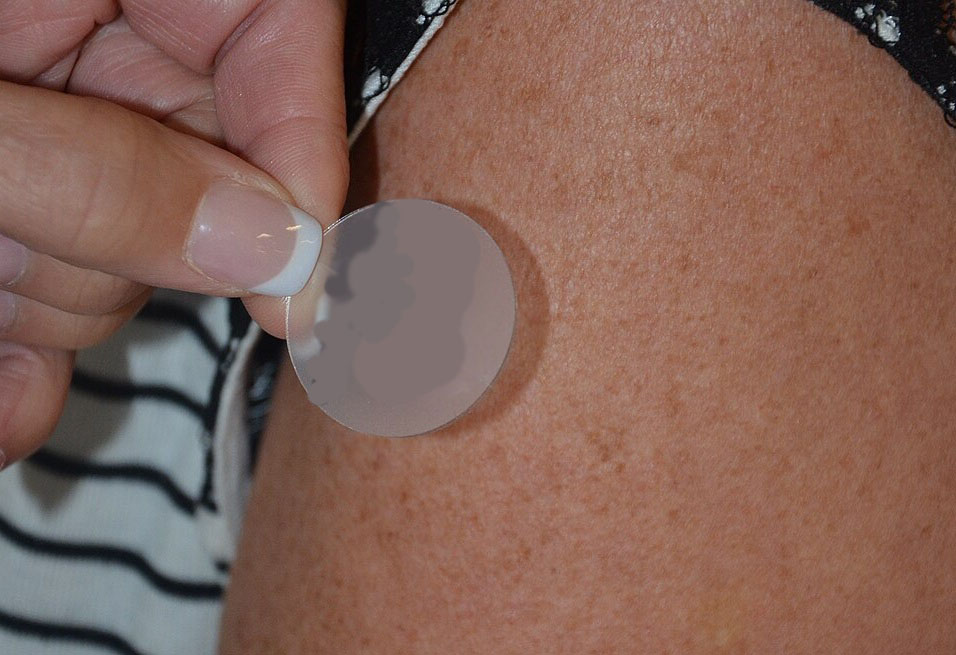
HRT patches, gels and sprays – also known as transdermal products – were the most commonly prescribed oestrogen HRT in 2025/26, while the use of HRT oestrogen pills declined.
Leading pharmacists said surges in prescriptions for particular products can have “unintended short-term consequences for medicine supply”.
The figures also show women who live in poorer neighbourhoods are less likely to receive HRT compared to their wealthy peers, NHSBSA added.
Under one in 10 (8.8%) women aged 40 and over received an HRT prescription in the most deprived areas compared to 14.2% in the least deprived regions, the data shows.
Four out of every 100 women aged 40 and over in Newham, east London, were prescribed HRT in 2025/26 – the lowest level in any local authority.
In Brighton and Hove, 23 out of every 100 women aged 40 and over received an HRT prescription in the last financial year.
In the forward of the report, Dr Sue Mann, national clinical director in women’s health for NHS England, said: “Awareness of menopause has increased significantly in recent years, helping to encourage important conversations about women’s health and access to support.
“The findings show that the number of women receiving NHS HRT prescribing continues to increase. This reflects the growing demand for menopause care and the increasing awareness of treatment options available to women.”
Olivier Picard, chairman of the National Pharmacy Association, said: “This is very significant data and shows that a record number of women are accessing HRT support through the NHS.
“However, these surges in prescriptions for particular products do have unintended short-term consequences for medicine supply to patients and can exacerbate medicine shortages that blight pharmacies on a daily basis.
“Although supply for some HRT products are improving, shortages of certain strengths of Estradot are now some of the longest running of any medicine in NHS history.
“When prescribing habits change, we must make sure supply chains can keep up or we risk worsening access to medicines for patients and put more pressure on over stretched pharmacy teams.”
HRT helps treat menopause symptoms by replacing the hormones oestrogen and progesterone, which fall to low levels as women approach the menopause.
NHSBSA reminded women taking HRT they can buy an HRT prescription prepayment certificate for £19.80 to cover prescription charges for 12 months. Without the certificate, each HRT prescription costs £9.90.