
Brighton Festival at 60: ending the guest director era and starting again, from the city up
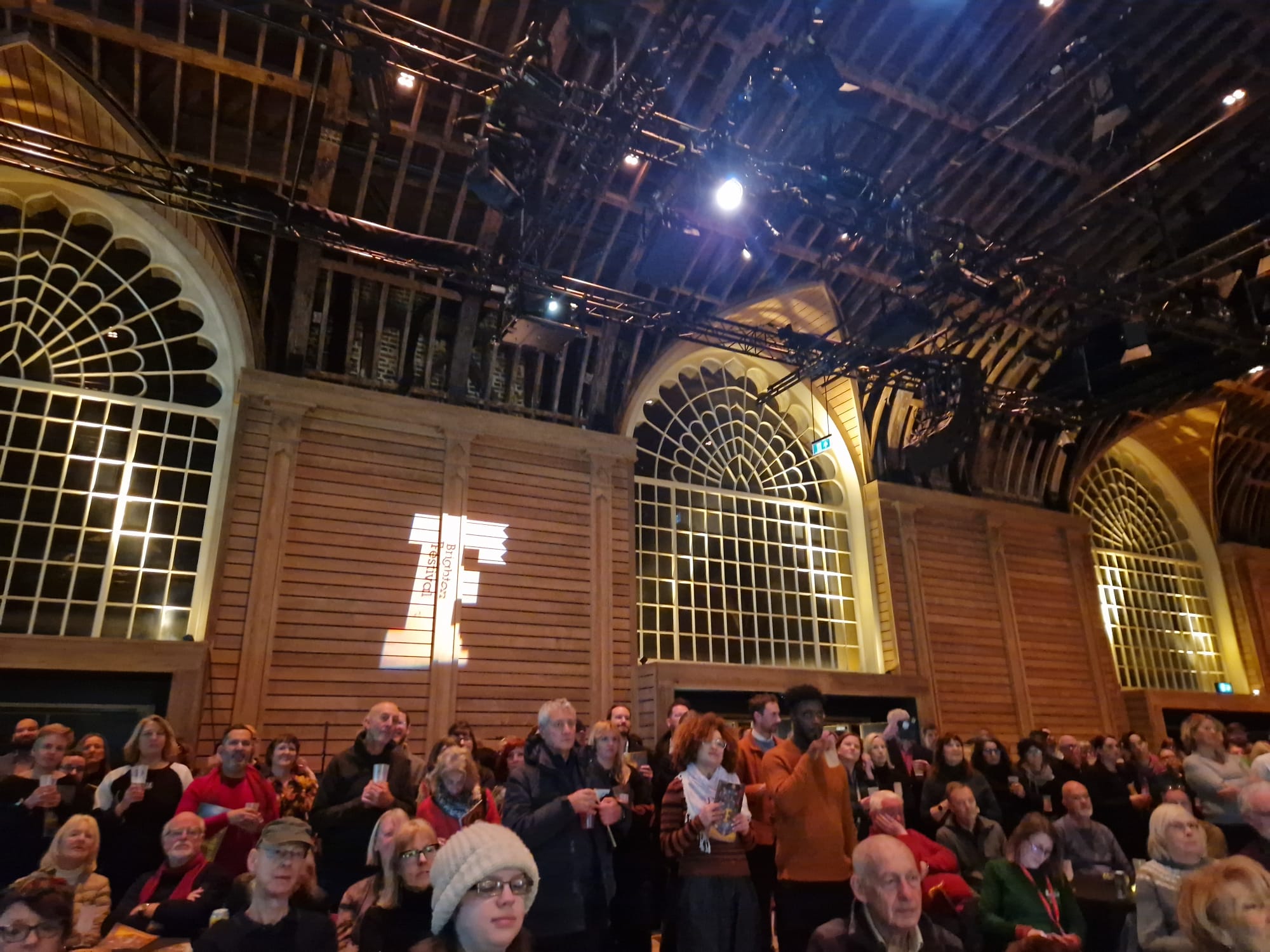
There was a particular charge in the air inside Brighton Dome’s newly restored Corn Exchange last night – 18th February 2026. The launch of the 60th edition of Brighton Festival marked not only a milestone anniversary, but the beginning of a new chapter — the first Festival under the artistic leadership of new Chief Executive Lucy Davies. This is also the first to move away from the Guest Director model that has shaped the Festival for the past sixteen years.
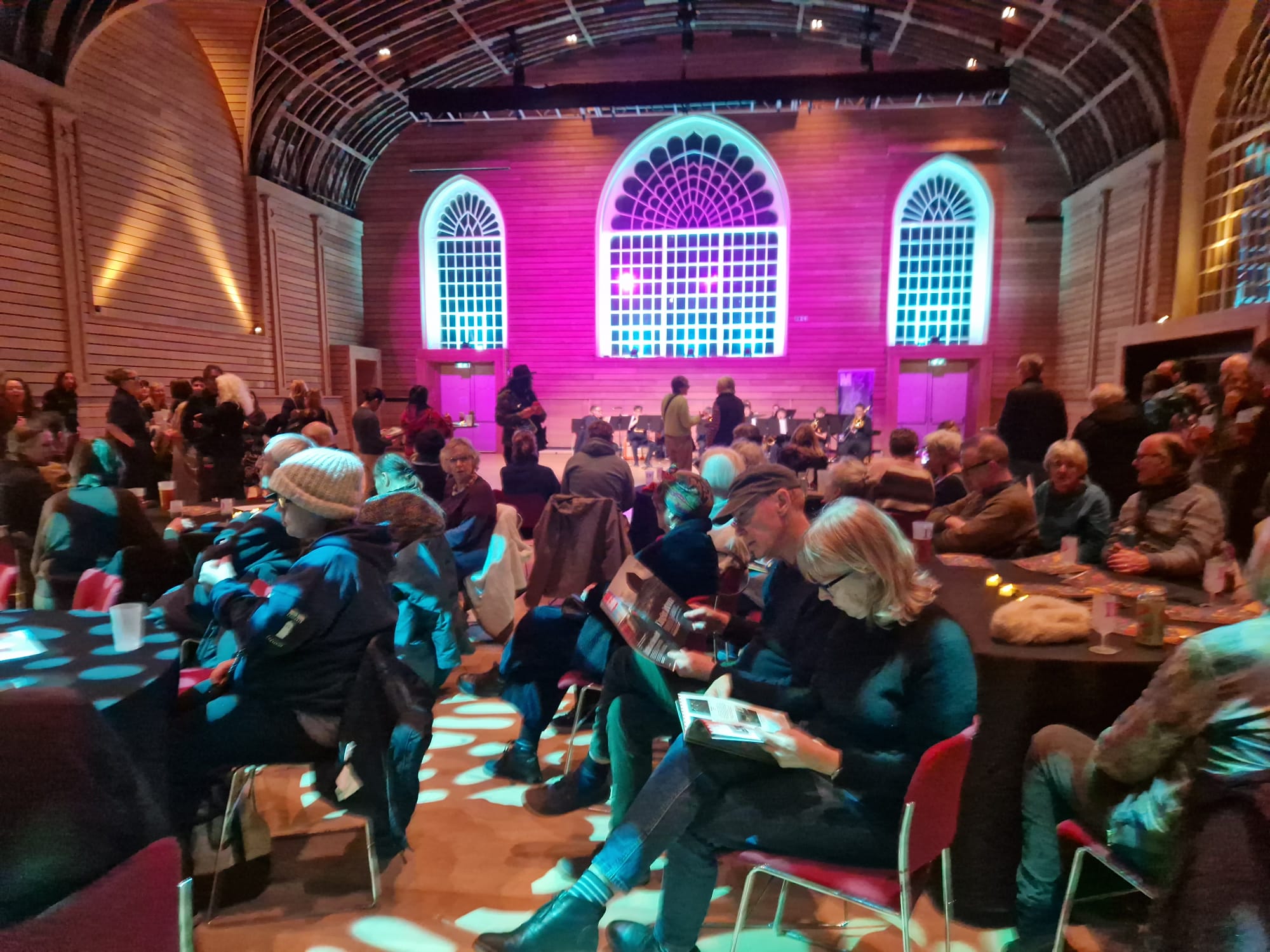
Photo credit – Nicola Benge
“It is a major achievement and a real testament to this city that Brighton Festival has endured and flourished for six decades,” Davies told the audience. “And the Children’s Parade (delivered by arts organisation Same Sky) alongside it for 40 years. It is powerful collective will, ambition, investment, support and love that has kept this Festival together at this scale for that long.”
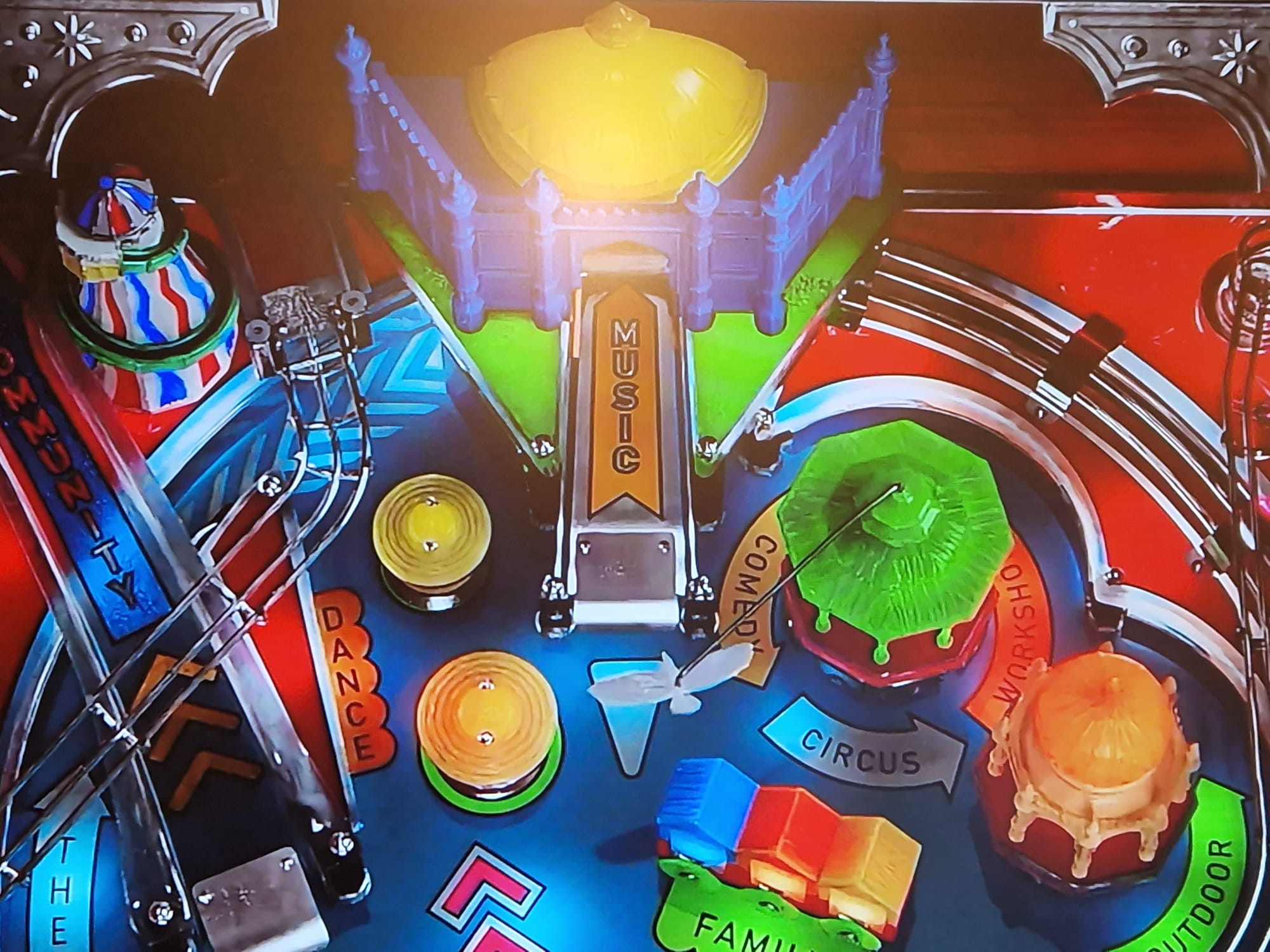
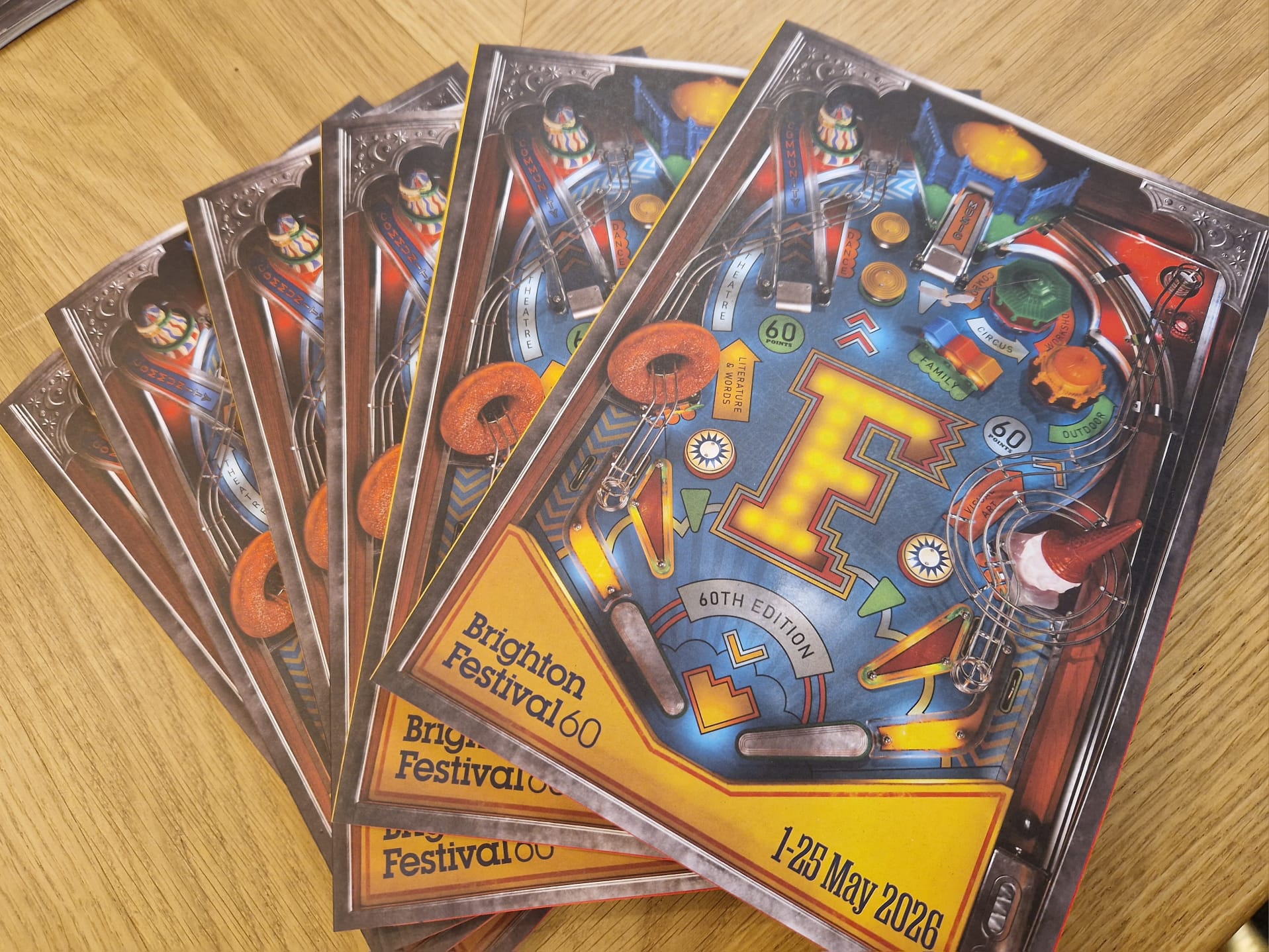
Held in Brighton Dome’s newly refurbished Corn Exchange, the 60th anniversary launch brought together artists, funders, councillors and cultural workers to mark a significant moment in the Festival’s history — and to signal a clear change in direction. The brochure design by Johnson Banks and innovative illustration by Thomas Burden really added to this.
The largest Festival of its kind in England and a major event in the international arts calendar, Brighton Festival celebrates the city as a hub for cultural innovation, collaboration and artistic experimentation. The Festival attracts some of the most exciting artists and companies from all around the world, in addition to celebrating and promoting homegrown artists from throughout the region.
The emphasis on collective effort felt deliberate. The new head of this august organisation is a practical, creative and down to earth leader who took to the podium in the city’s landmark venue to offer a reminder that Brighton Festival exists because of sustained public funding, political support, and a dense ecosystem of artists and organisations rooted in the city.
Davies was explicit about the economic case for culture — and unapologetic about it. “Cultural funding is regenerative investment,” she said. “For every pound you put in, we will match it three or four times. And for every pound that you put in, we generate over £13 of economic impact in this city.”

That argument was echoed by the second speaker of the night, Brighton & Hove City Council’s Labour leader Bella Sankey, who described Brighton & Hove as “a small but beautifully formed city with a really big heart” and “a byword for culture”. Speaking to a room packed with artists, patrons, supporters, young people and culture enthusiasts, she underlined the scale of the sector locally: 7% of all jobs in Brighton & Hove are in the creative industries, contributing £1.5 billion to the city’s economy.
Sankey also framed culture as something more than economic output. In an increasingly polarised society, she said, creative expression “holds the key to greater understanding and acceptance within and between communities”. She highlighted the Festival’s commitment to access, announcing that a quarter of events in 2026 will be free, with more than half priced at £15 or less — a significant statement at a time when many festivals are quietly retreating from affordability.

The most consequential announcement of the evening came later, when Davies addressed what she described as “a new era” for Brighton Festival.
“For those the news hasn’t reached,” she said, “this 60th Festival does mark a new era for Brighton Festival. We’re going to end the Guest Director model that has been the signature for the last 16 of the 60.”
The Festival will now be curated in-house by the Brighton Festival Programming team, led by Davies with Producing Director Beth Burgess. The shift is intended to root the Festival more firmly in the city, rather than importing a new artistic vision every year. As Sankey put it, it is about creating a Festival “firmly rooted in our place and the special and unique culture of Brighton & Hove”.
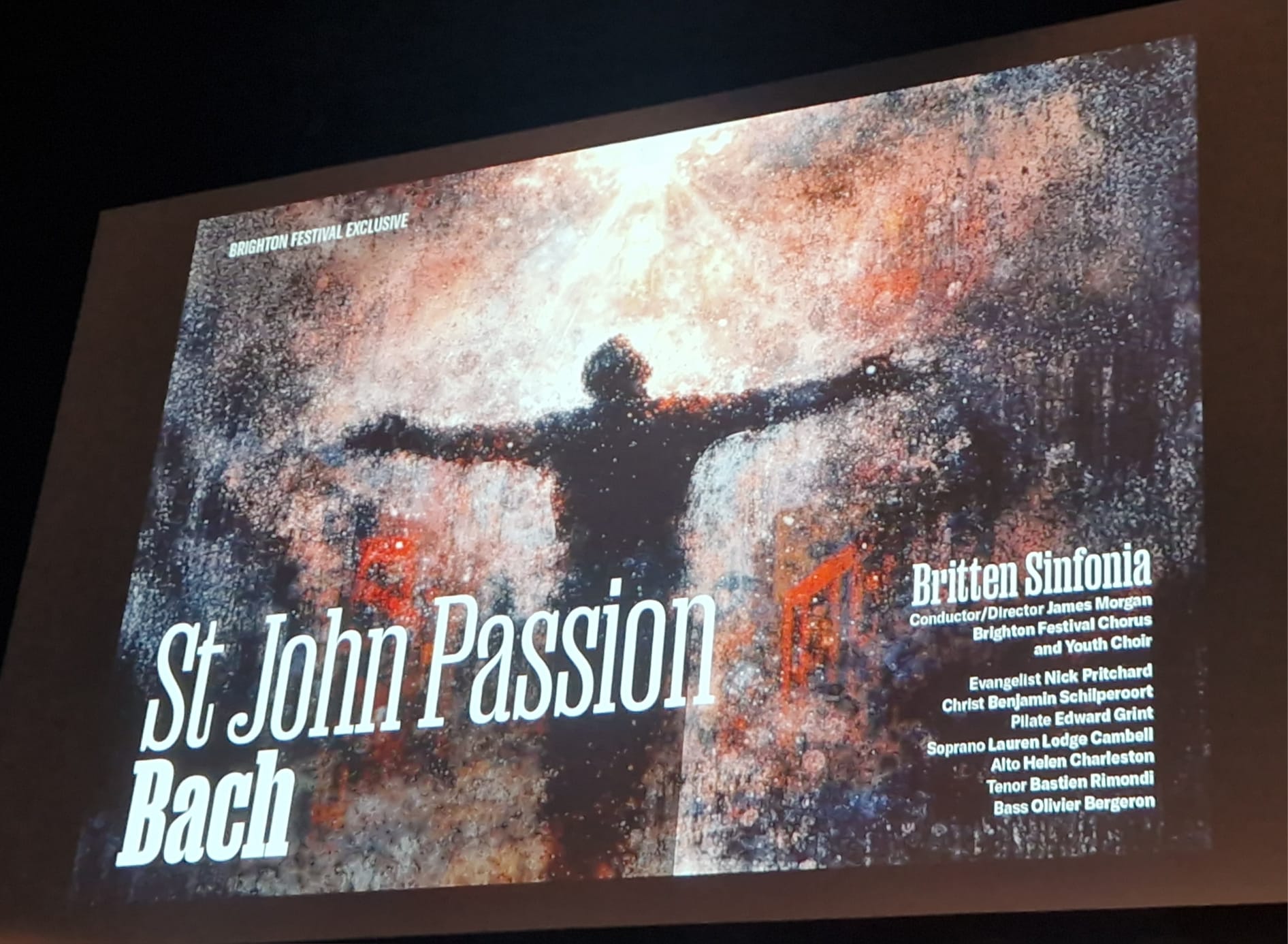
There will also be a new annual tradition: an original theatrical production created specifically to open the Festival each year in the Corn Exchange, making full use of the recently restored space. This change is also practical. It enables longer-term partnerships, more sustained relationships with artists, and — crucially — the ability for Brighton Festival to produce original work for the first time, reshaping what Brighton Festival is, and how it operates.
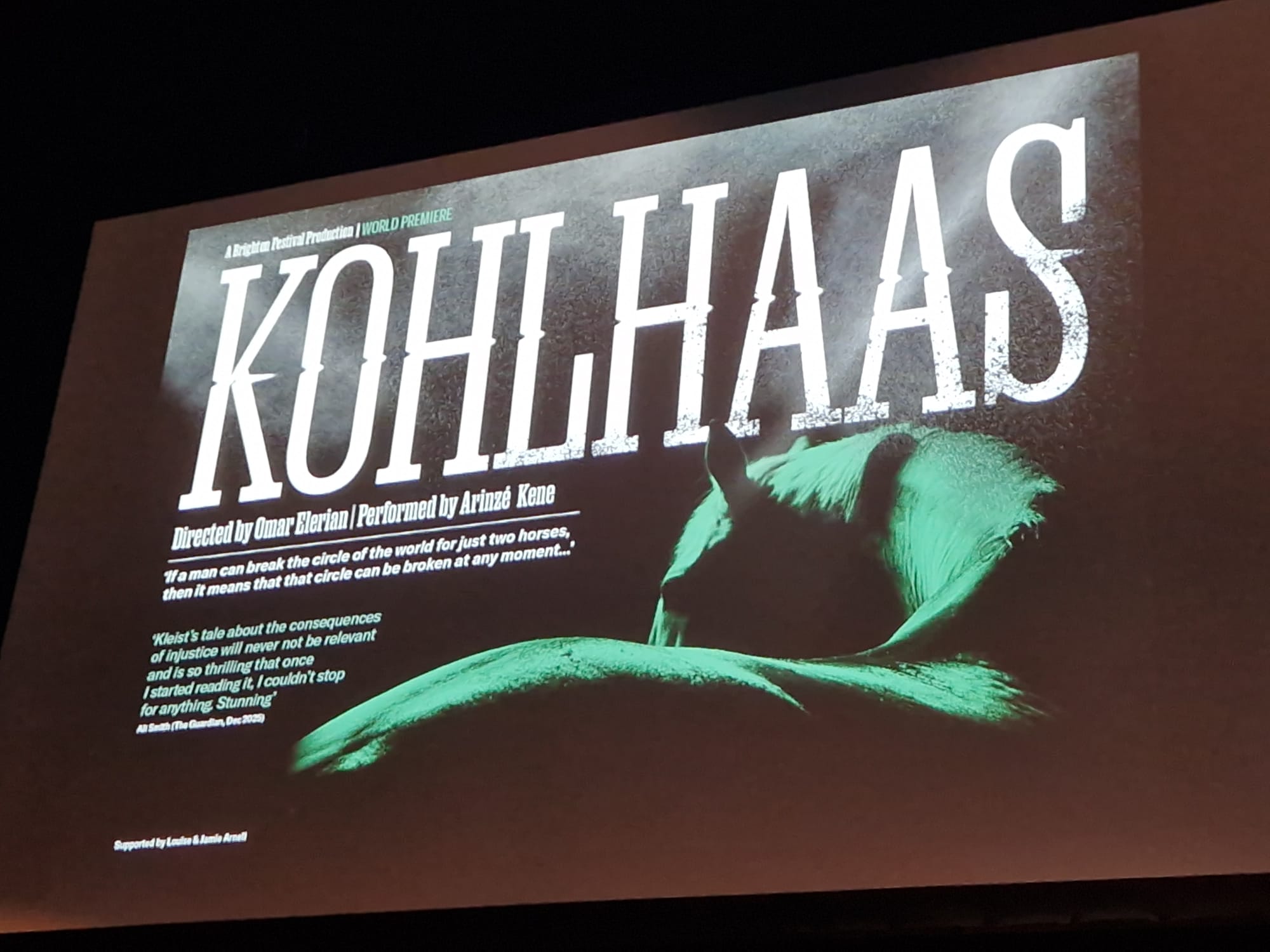
Among the headline projects for 2026 is Kohlhaas, directed by Omar Elerian and starring Arinzé Kene — the first original theatre work produced by Brighton Festival itself, with direct artistic input from Lucy Davies.
Davies also confirmed a renewed emphasis on public art, including a large-scale land artwork along Hove seafront, where monumental figures will appear in the open landscape of the coast. “It’s been really important for me to put public art back into the programme,” she said. “And to invite artists to treat Brighton Dome as a site.”
From now on, the Festival will open each year with an original theatrical production created specifically for the Corn Exchange, embedding the recently restored space into the Festival’s creative identity rather than treating it as a neutral venue.

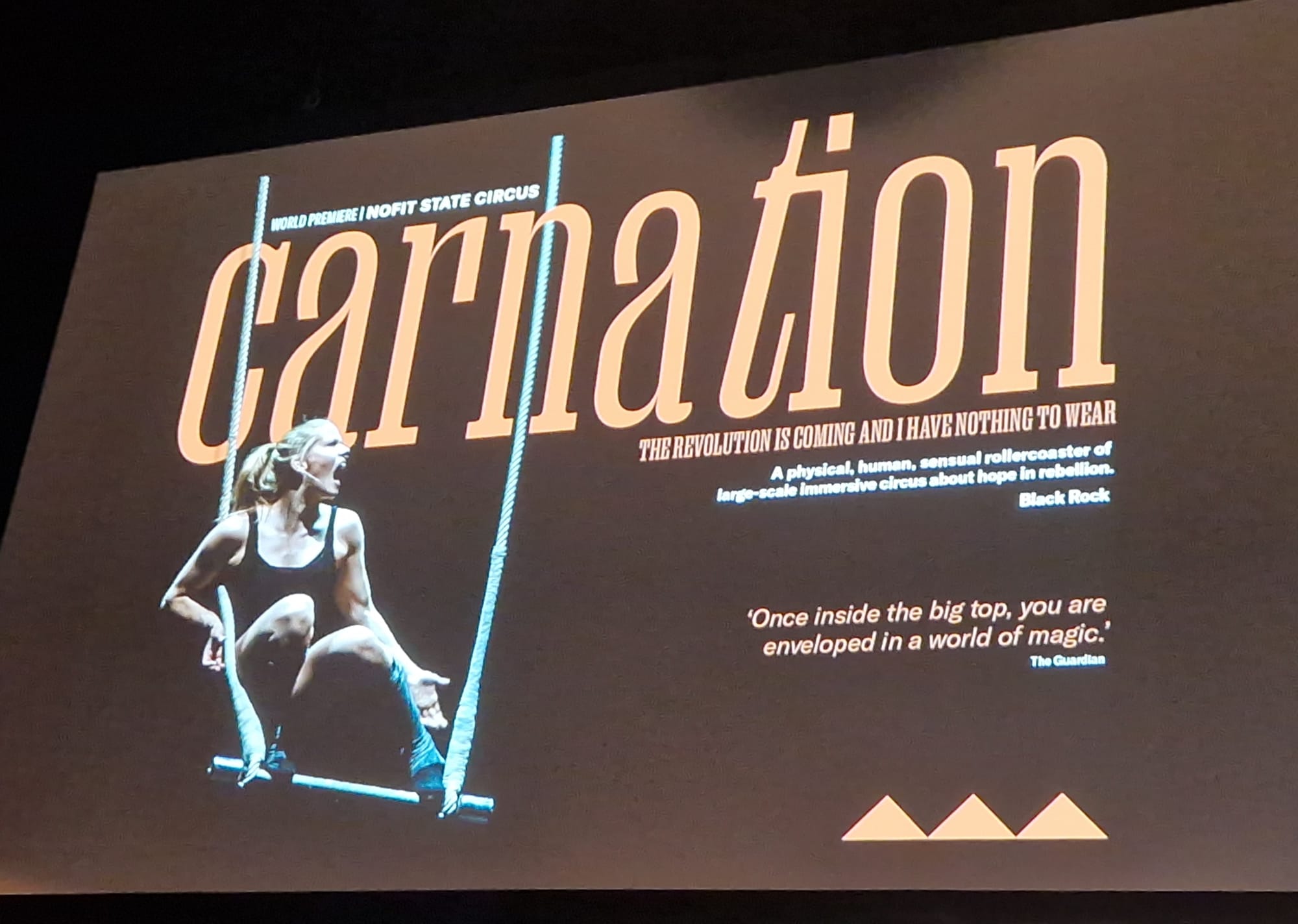
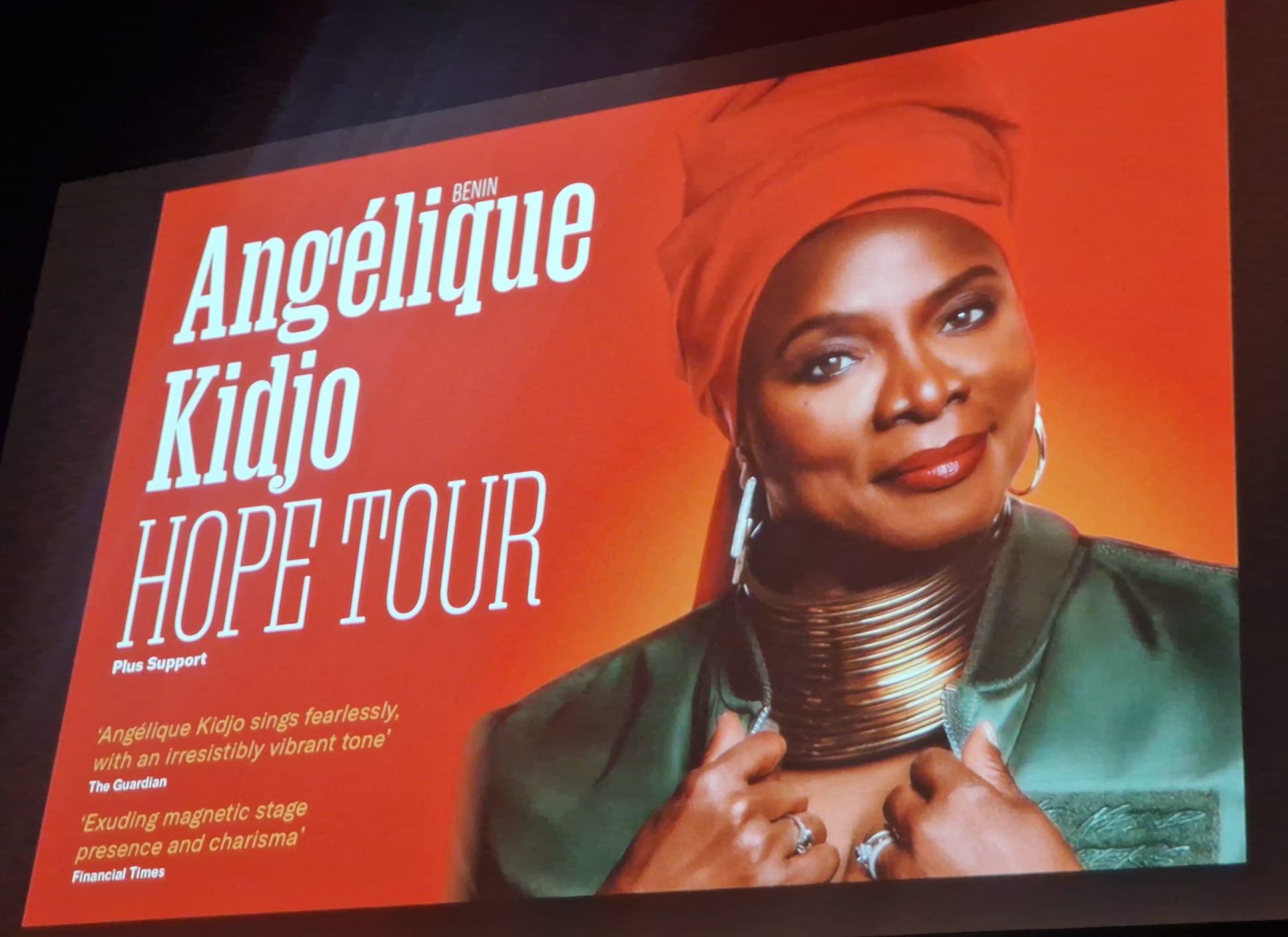
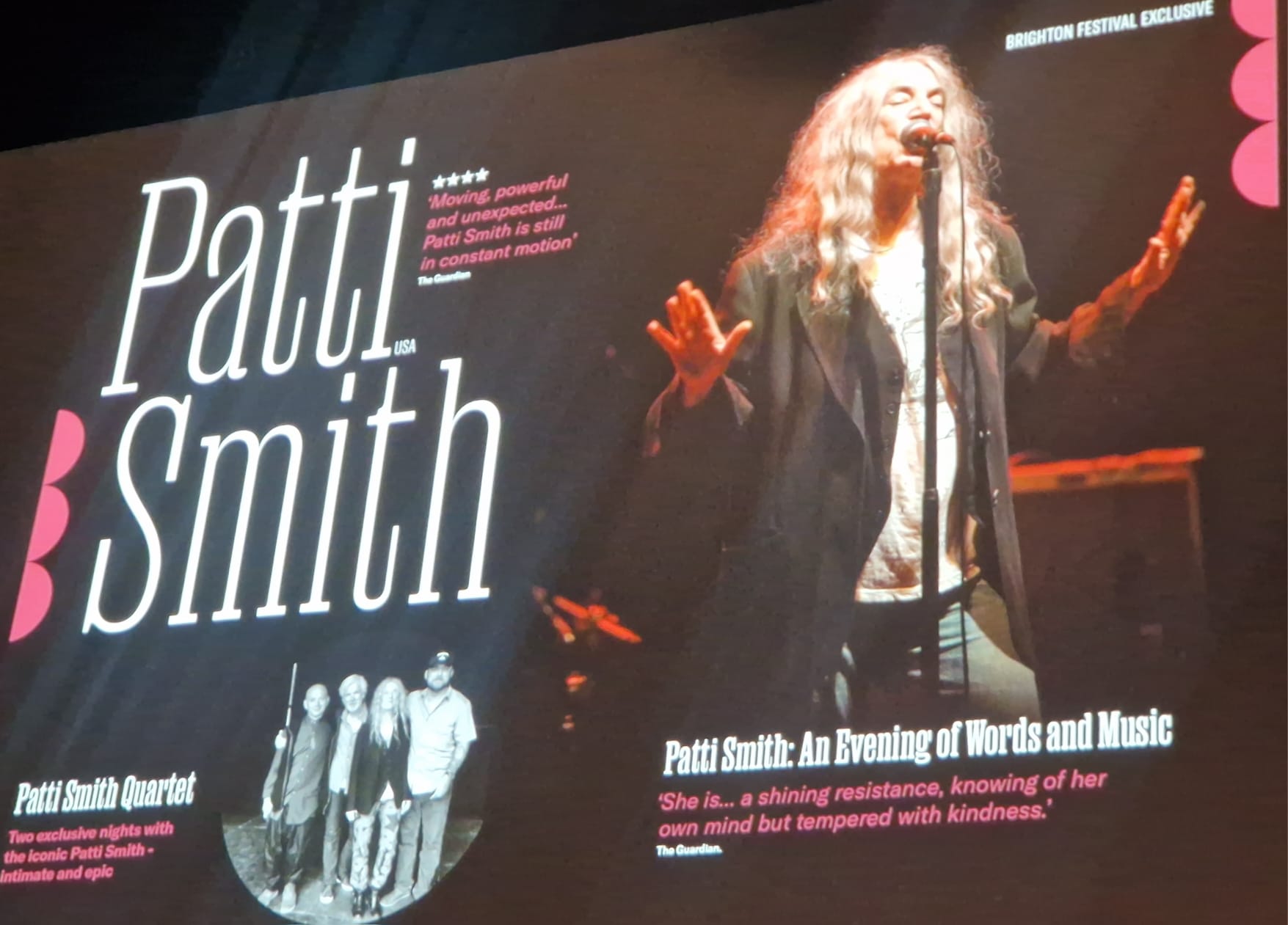
Running from 1st to 25th May 2026, the 60th edition of Brighton Festival will feature over 100 events by more than 140 artists across theatre, dance, music, literature, visual art and debate. Festival exclusives include one-off performances by Patti Smith and Laurie Anderson, alongside the first collaboration between Sampa the Great and W.I.T.C.H..
The wider line-up spans global names and experimental companies, alongside work by artists rooted in the UK and the region — a balance that reflects Brighton Festival’s dual identity as both international and distinctly local.
Brighton Dome’s Corn Exchange will host a series of site-specific performances, with artists invited to reimagine the space rather than simply perform within it.

2026 also marks the 40th anniversary of the Same Sky-led Children’s Parade — the largest parade of its kind in Europe with 50 schools participating.
The council leader Bella Sankey spoke personally about taking part as a child, describing the experience as formative. “By putting our children at the centre of this Festival,” she said, “they will be creating lifelong memories.”
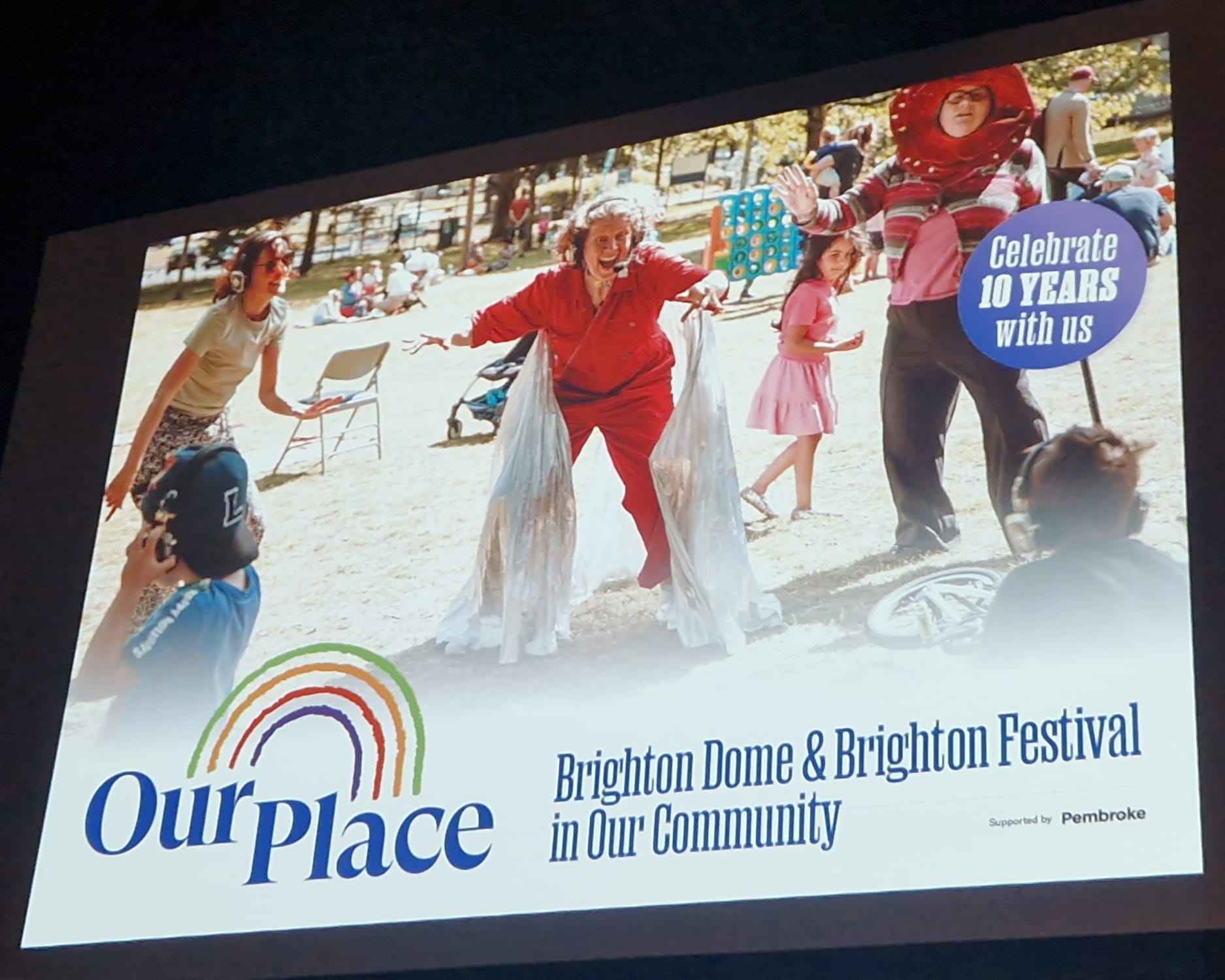
The Festival also celebrates ten years of Our Place, its community-curated strand, which continues to commission work shaped by people who live and work in Brighton & Hove. The Arts Council, a supporter of the festival also offered their enthusiasm for the events and activities taking place across the city.
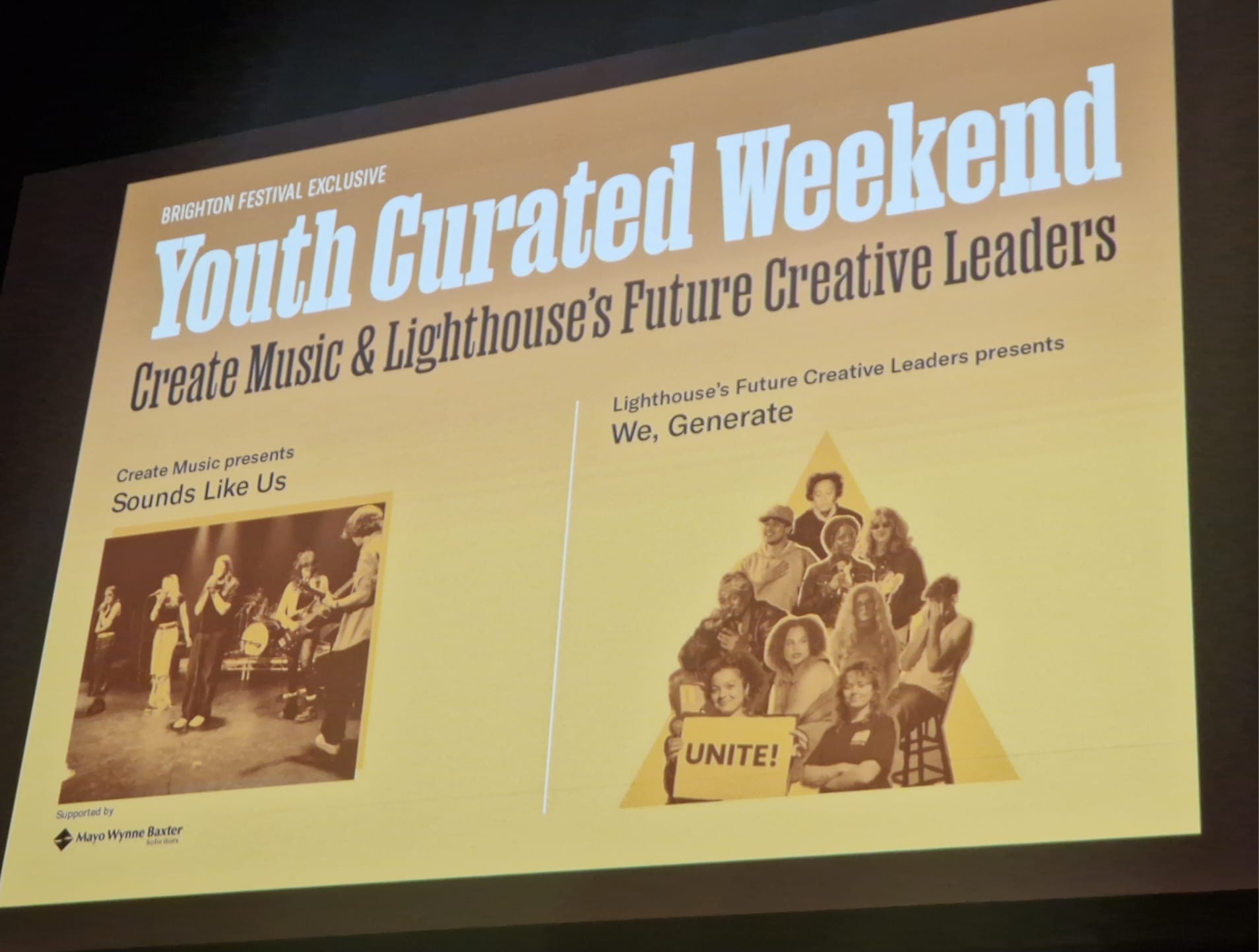
Finally, the launch celebrated the music education work with young people of the organisation linked to Brighton Dome Brighton Festival Create Music and speakers from the Lighthouse Young Creatives scheme who brought zest and fire to the event with their passion for creative youth engagement.
Closing the launch, Davies thanked the partners, artists and organisations that have sustained Brighton Festival for six decades. “We honour an extraordinary legacy,” she said, “and look ahead to Festivals to come as Brighton Festival enters an exciting new chapter.” She pointed to the scale of the 2026 programme — 105 events across 24 days — as evidence of “a thriving ecosystem” across the city and region.
“Our mission is to enrich the city, to welcome world-class artists, and to create lifelong memories for the many audiences who make the Festival so dynamic every May,” she said.
For a Festival marking its 60th year, there was little sense of nostalgia in the room last night. Instead, the emphasis was on repositioning: producing work rather than just hosting it, rooting the Festival more firmly in the city, and being explicit about why culture still matters — socially, politically and economically — in Brighton & Hove.
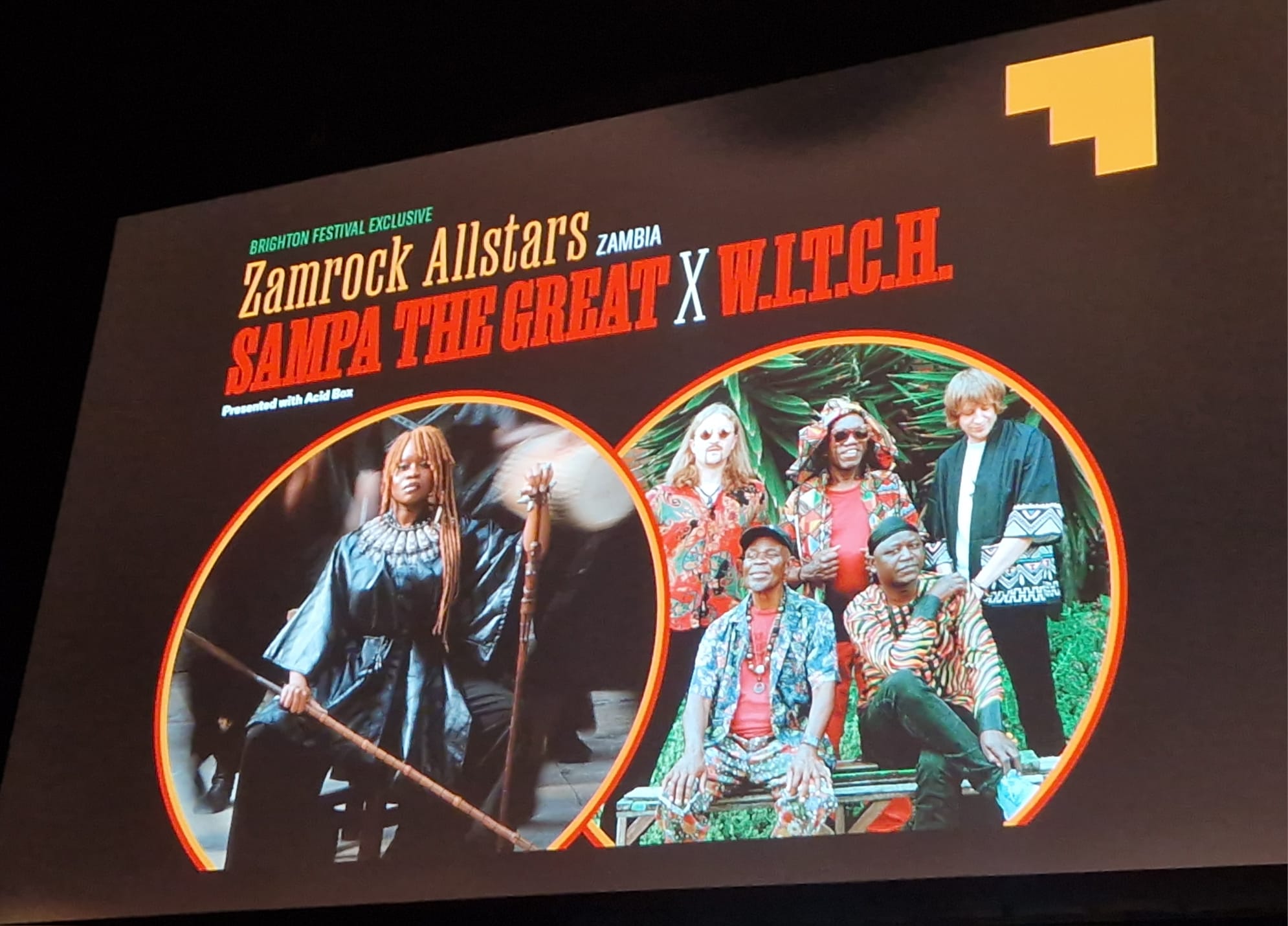
Reflecting on the scale of the 60th edition, Lucy Davies paid tribute to the partnerships that make the Festival possible. “I thank and celebrate all the people and partners involved in creating this landmark 60th edition of Brighton Festival,” she said. “We honour an extraordinary legacy and look ahead to Festivals to come as Brighton Festival enters an exciting new chapter.”
Brighton Festival at 60 could easily have leaned into nostalgia. Instead, last night’s launch made a different and exciting case — May 2026 cannot come soon enough.
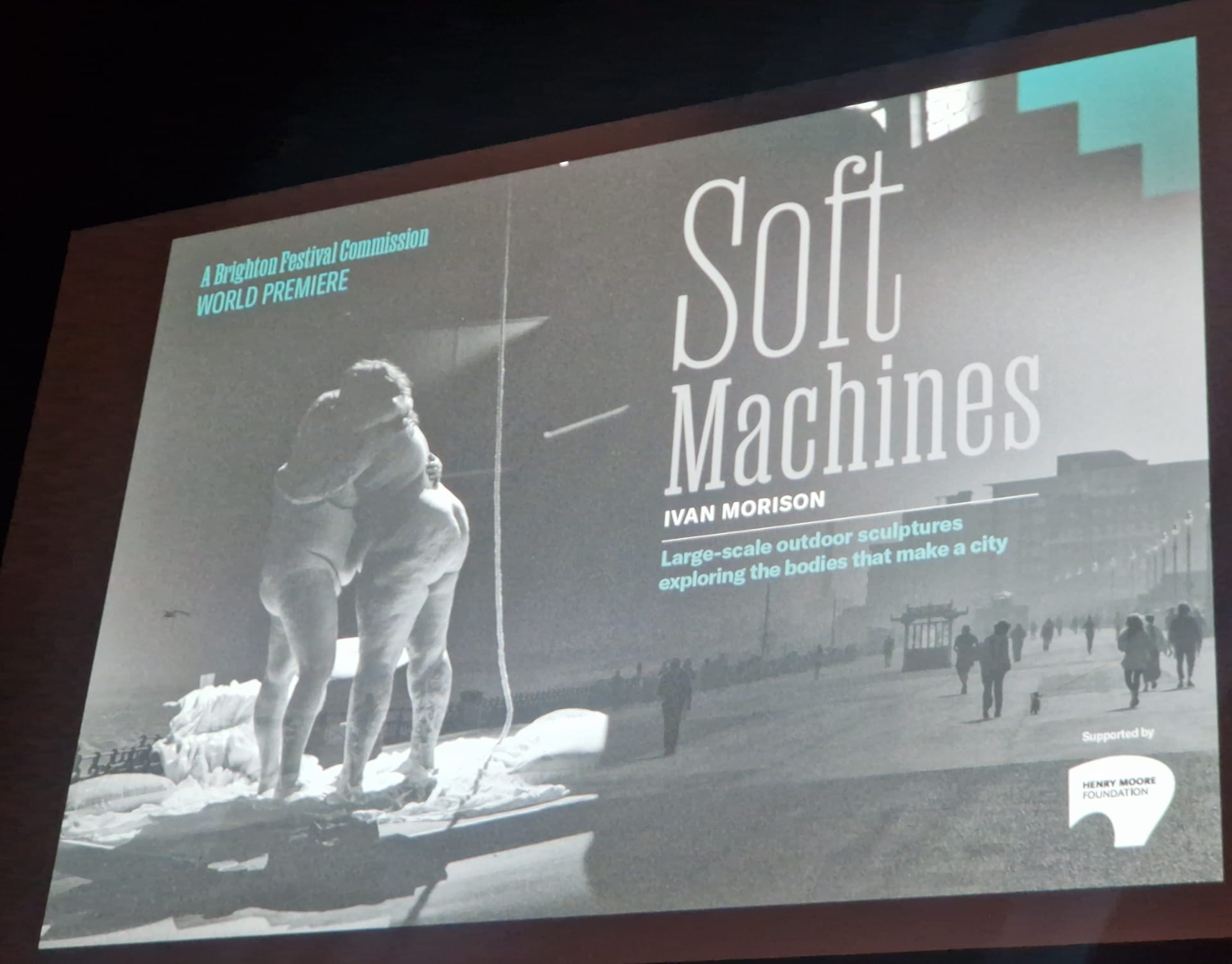
Find out more about Brighton Festival in our other event pages.
Find more arts and culture reviews at Brighton & Hove News – Follow @BHCitywhatson and @bhcitynews on Instagram.
Covering everything from fringe theatre to major tours across Brighton & Hove – tag us if you’re going!
#WhatsOnBrighton #BrightonandHoveNews #Brighton #BrightonTheatre #BrightonArts #BrightonHoveNews