MC BROTHER CULTURE, DAWN PENN, EEK-A-MOUSE, SCIENTIST
CHALK, BRIGHTON
FRIDAY 30TH JANUARY, 2026
The evening kicked off to a sold-out, buzzing venue, the crowd a vibrant mix of teenagers, twenty-somethings and seasoned reggae devotees in their sixties and seventies. From the very first notes, it was clear this was going to be an evening of musical mash-ups and eclectic chaos: a riotous collision of classic hits, dub experiments, and spontaneous improvisation. Enthusiasm crackled through the room as fans pressed close to the stage, swaying and cheering through long pauses and unexpected shifts, embodying the very spirit of reggae — a music that thrives on energy, community, and glorious unpredictability.
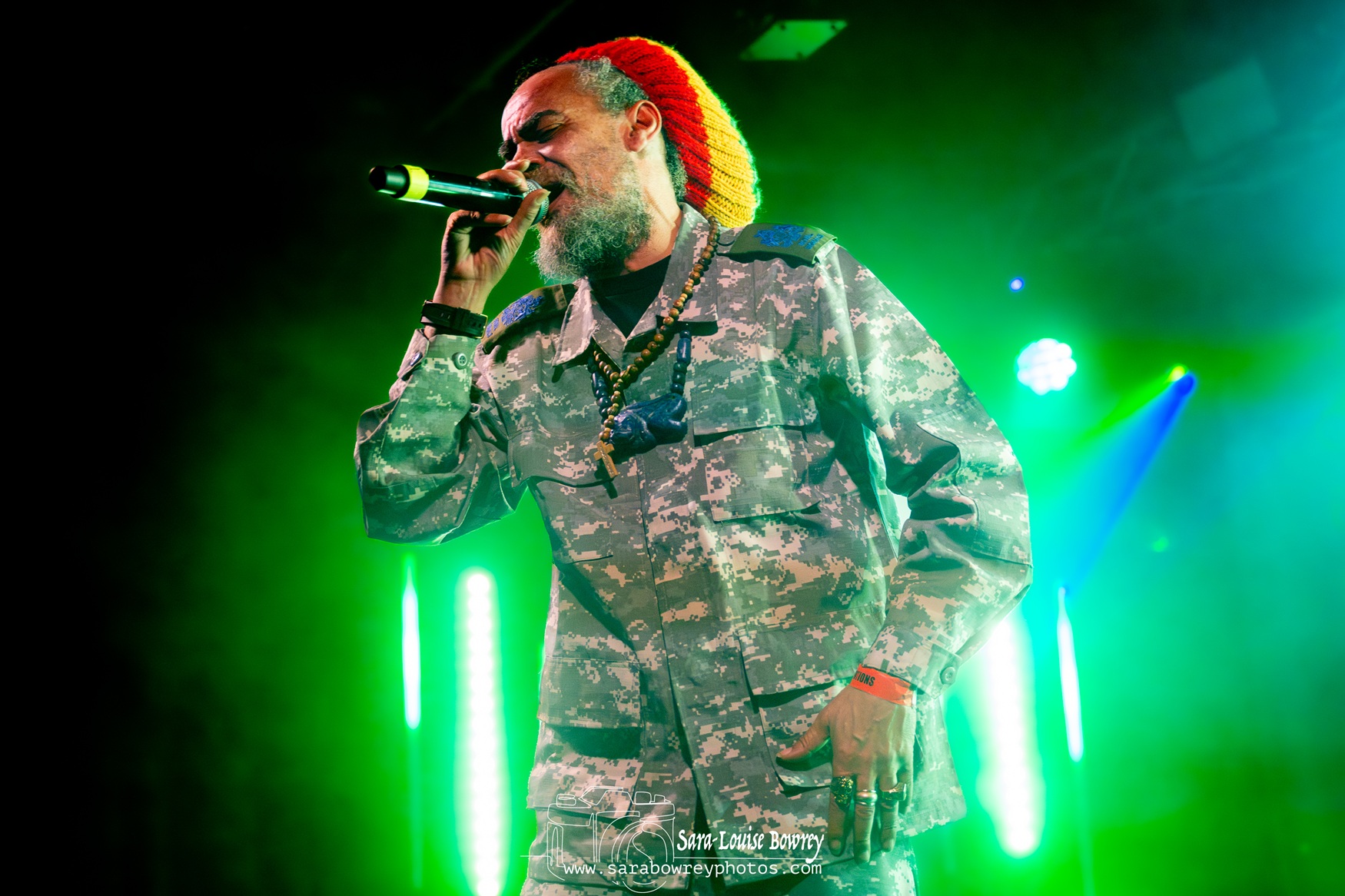
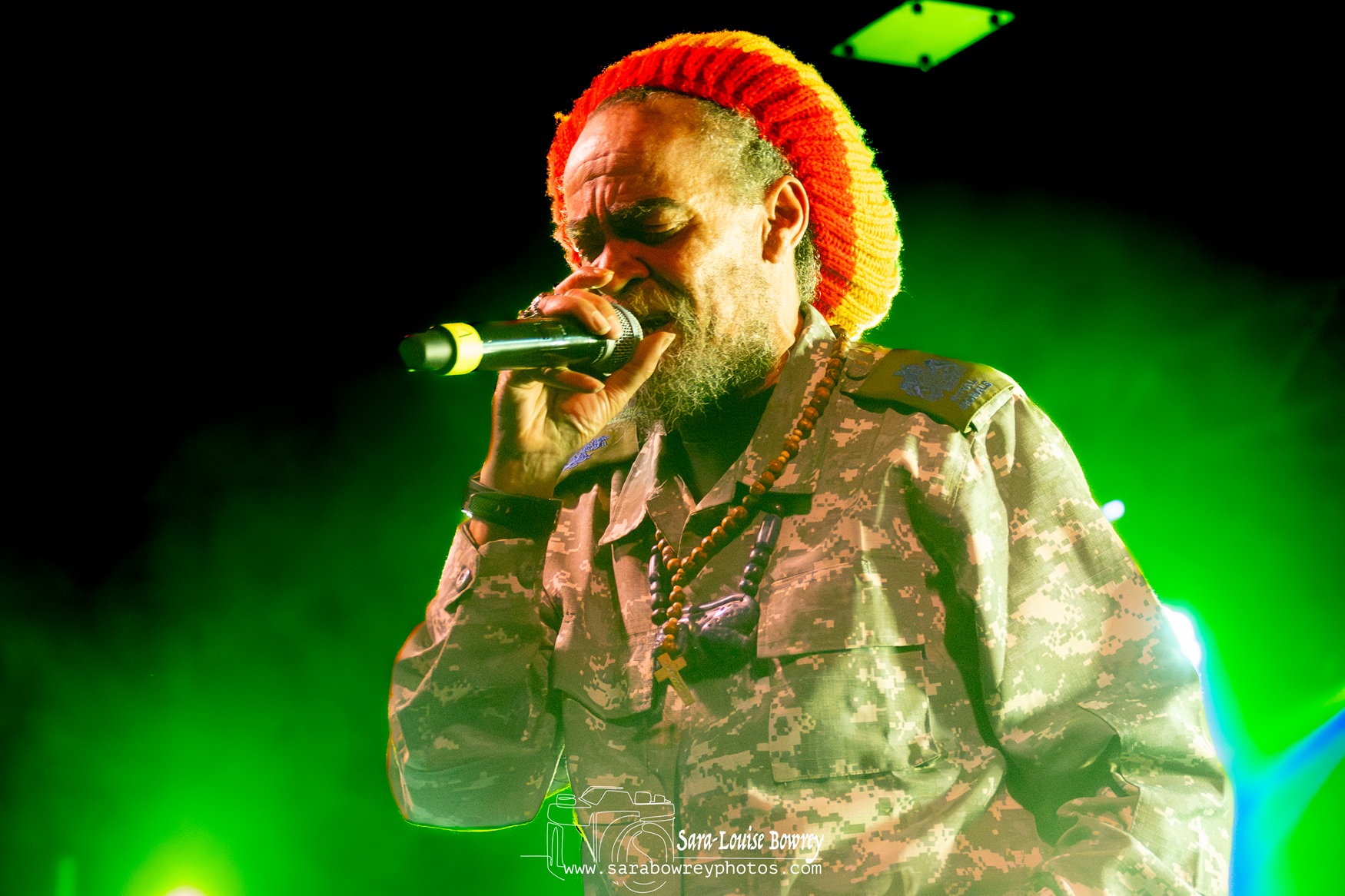
First up in a packed Chalk venue last night, was MC Brother Culture who started proceedings in great style. This was a great contribution to the gig, with conscious lyrics, and a perfect way to get the crowd upbeat.
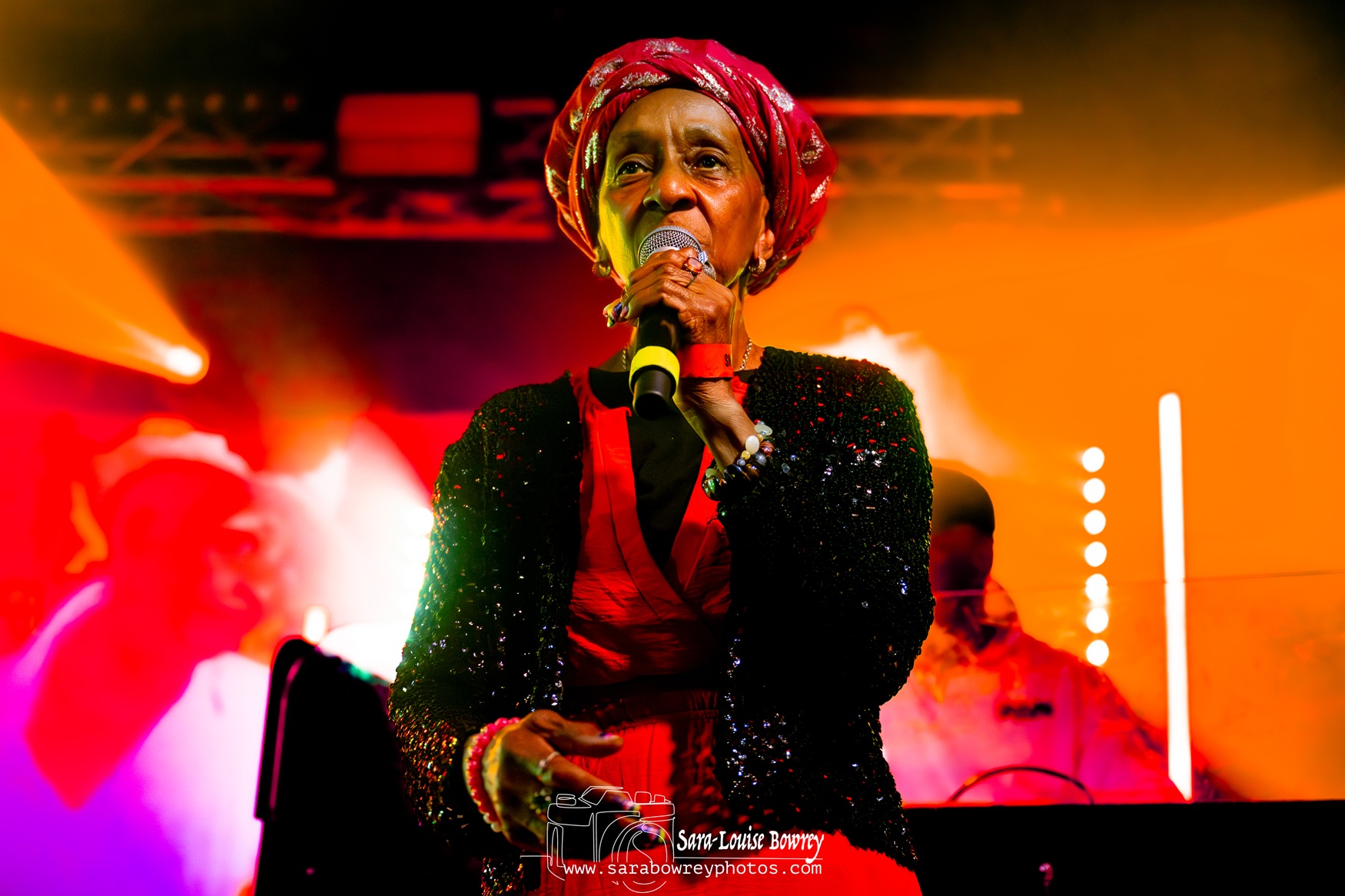
Next on stage, the Grammy nominated artist of the original queens of reggae music – Dawn Penn, coming live from Kingston, Jamaica. This night of reggae niceness came as part of a three part showcase with singer, Penn, launching the proceedings.
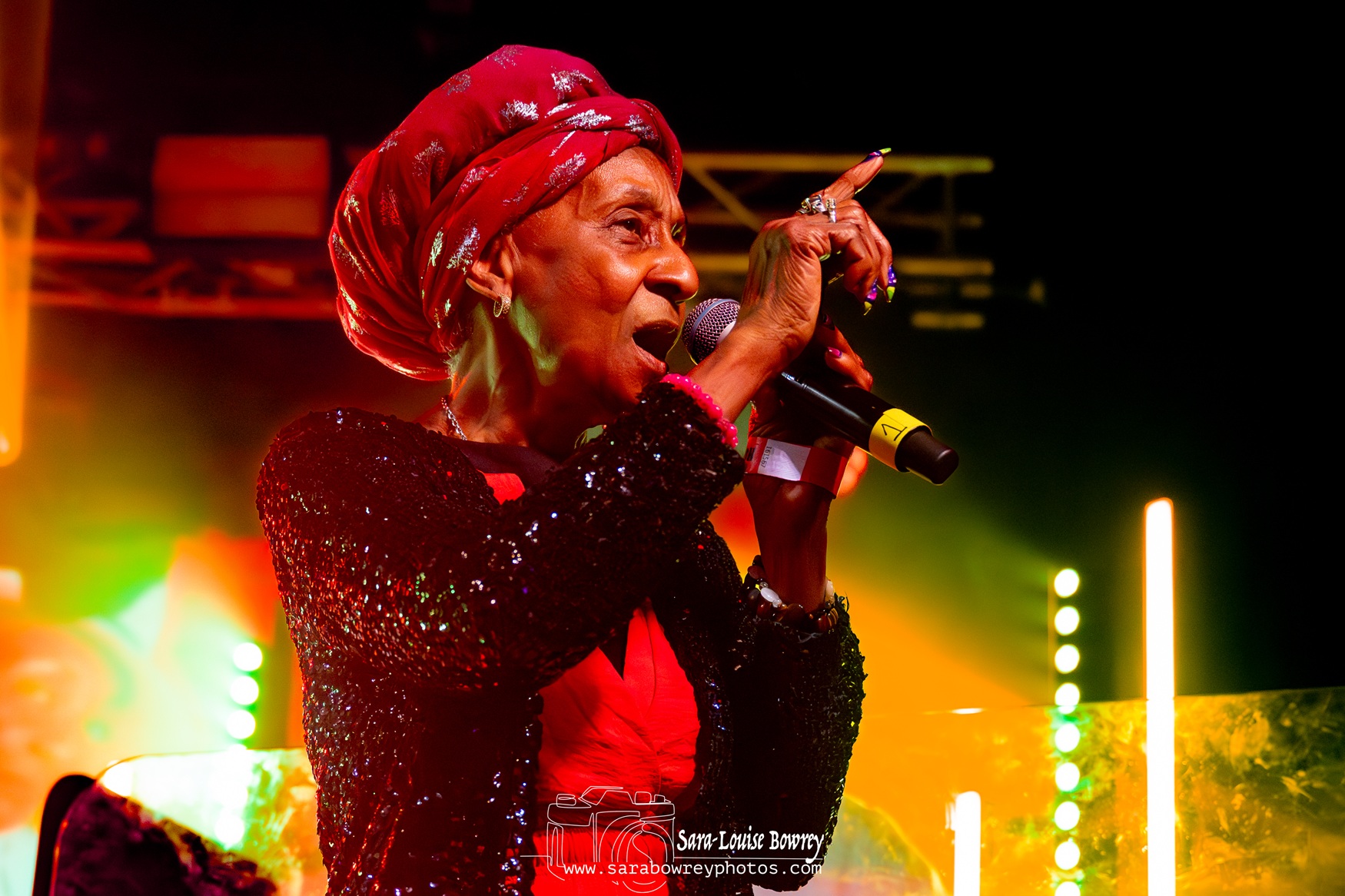
Dawn Penn first started recording with ‘When I’m Gonna Be Free’ in 1966, before working with legendary Coxsone Dodd at Studio One. Her first hit came in 1967 with the title ‘You Don’t Love Me – No, No, No’, a huge reggae hit which has had revivals many times over the decades.
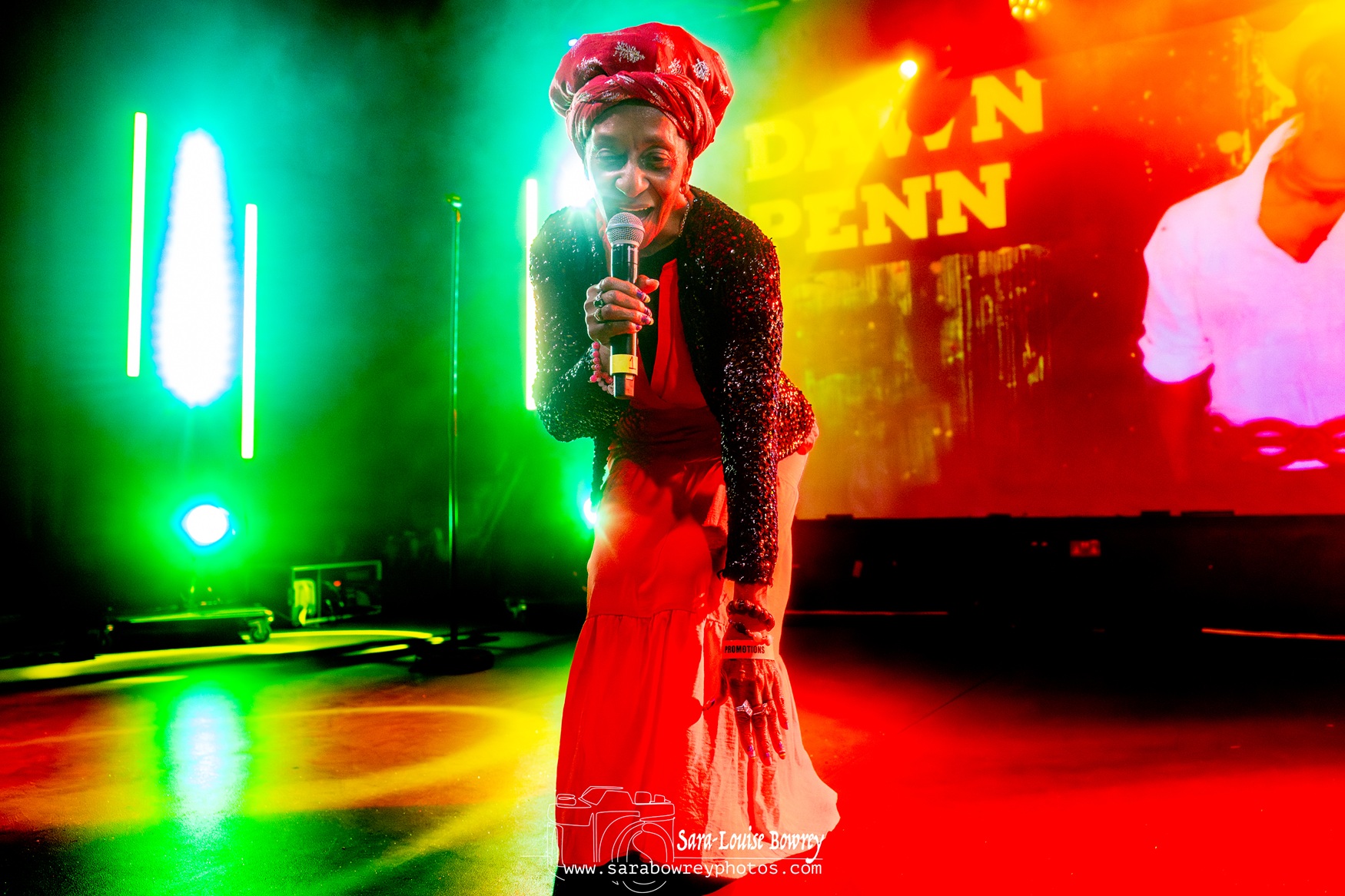
After a long wait that tested even the most patient of reggae devotees due to sound technical difficulties, Dawn Penn finally took to the stage, greeted by a packed house eager to celebrate one of reggae’s most enduring voices. Now in her seventies, Penn’s presence is gentler than during her 1990s resurgence, but her command of the room — and the affection directed at her — remains immense.
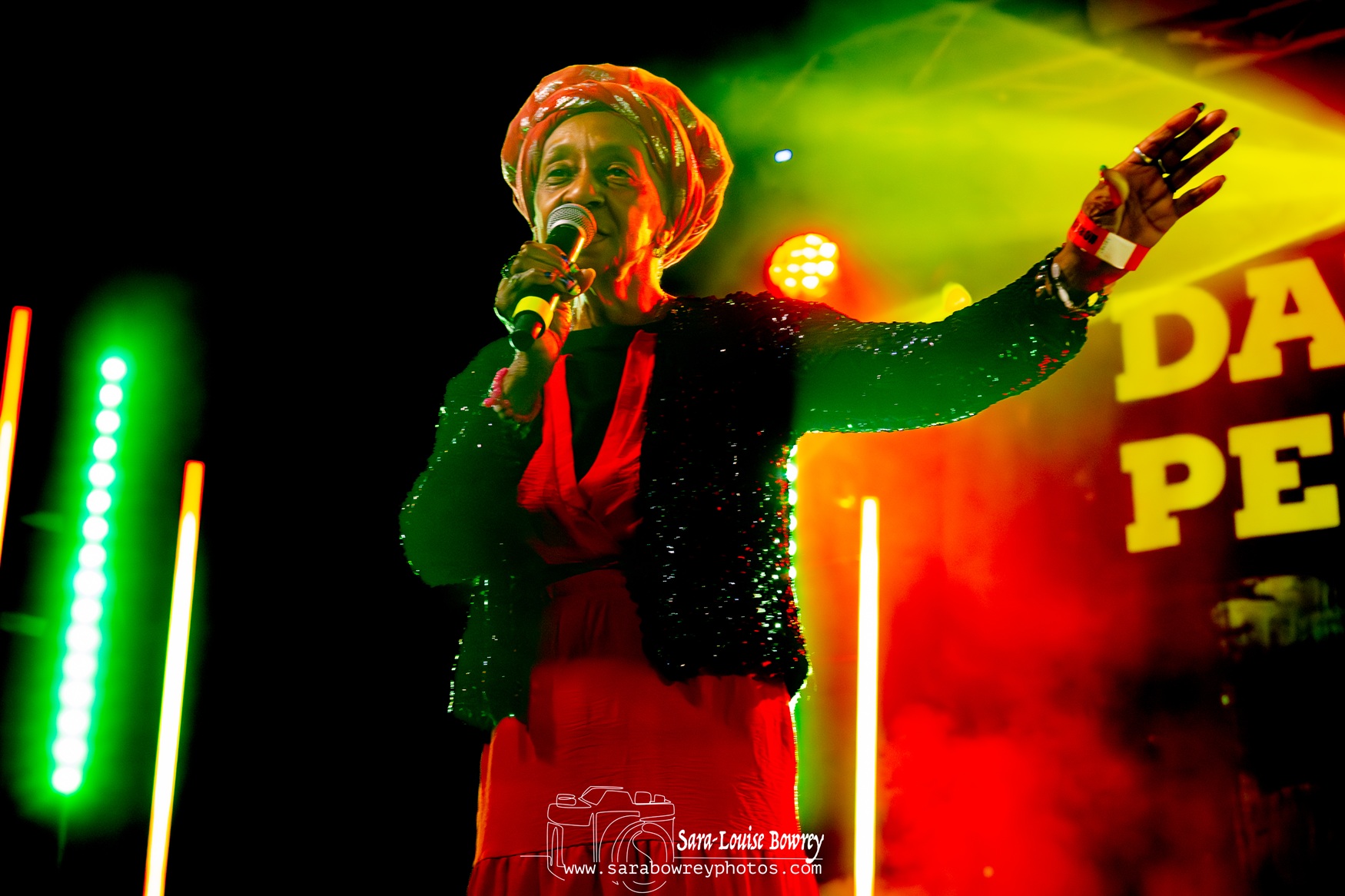
Penn’s set drew on a selection of classics, opening with Rivers of Babylon and moving through Roy Ayers’ Everybody Loves the Sunshine, Max Romeo’s Chase the Devil, and Bob Marley’s One Love. And of course, her signature You Don’t Love Me (No, No, No) which was received with great enthusiasm. The track appeared three times, each time rewound with a different back beat: Firstly, in its original rocksteady incarnation, a more eclectic reinterpretation, and a drum and bass take that hinted at the song’s remarkable journey through decades and genres. She closed her set with a Soca-inflected take on Blondie’s The Tide Is High, leaving the crowd smiling and nostalgic.
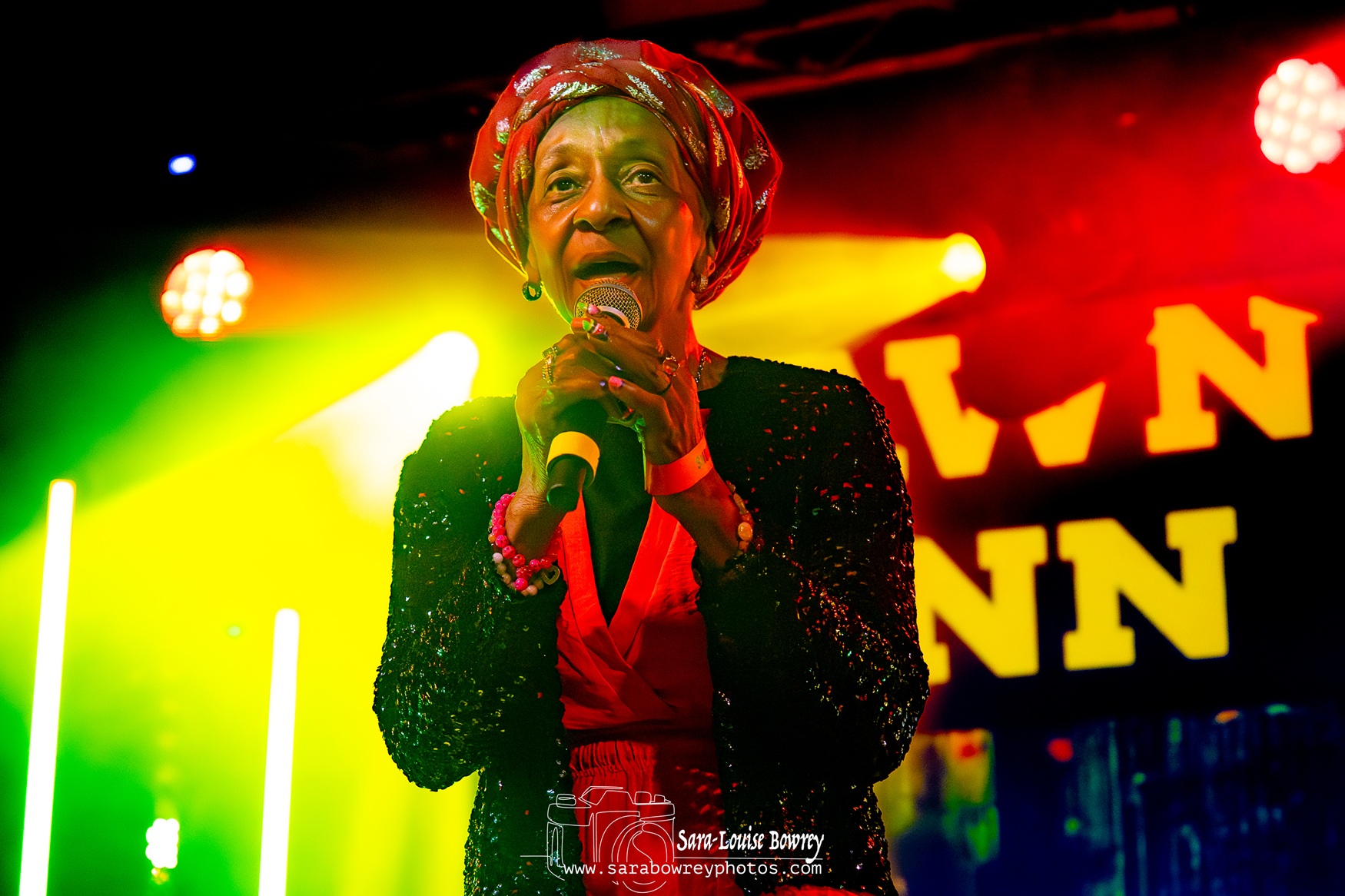
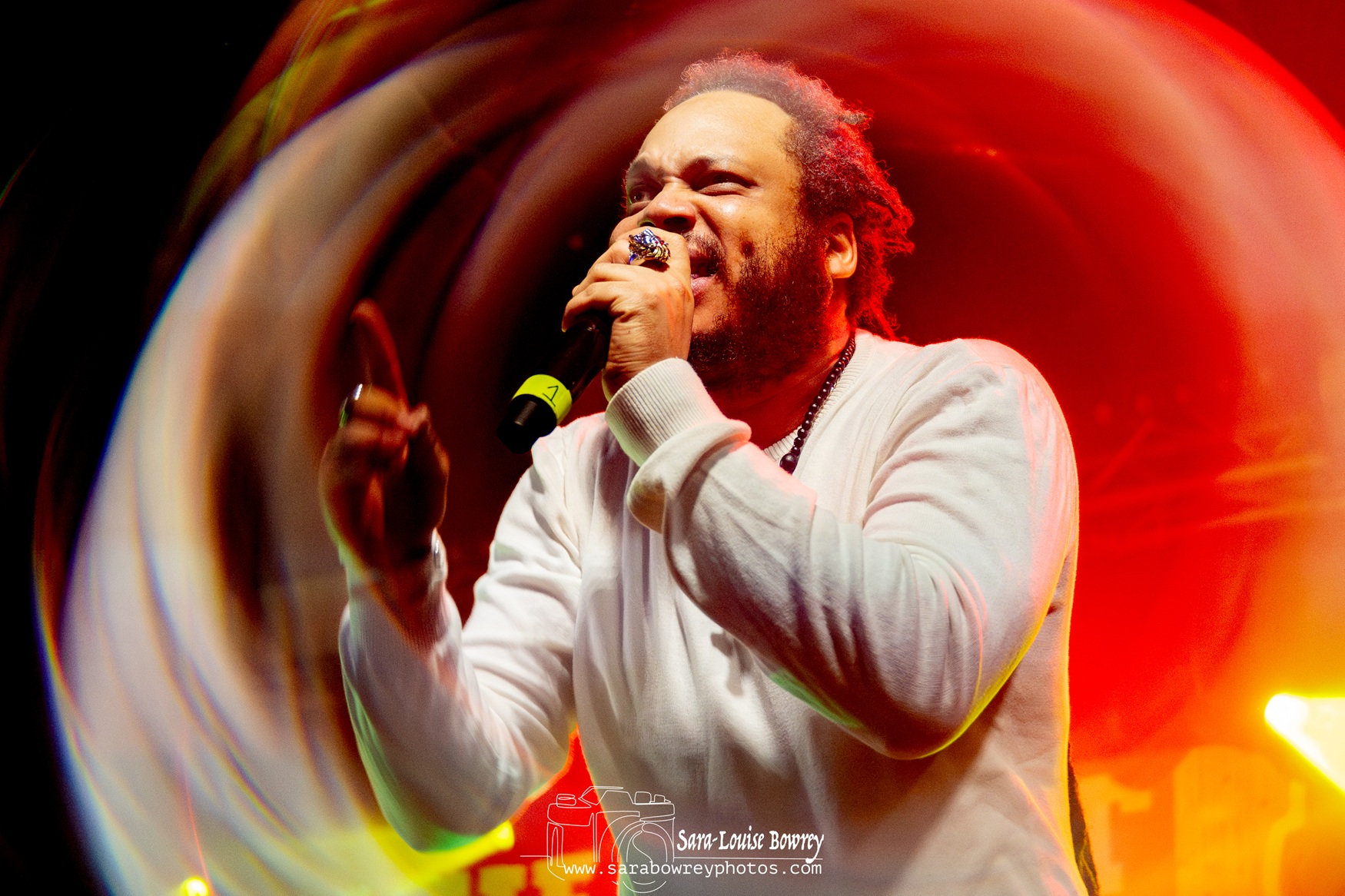
A male backing vocalist carried much of the vocal weight, allowing Penn to remain present without strain — a gentle reminder of the realities of longevity in music – musicians don’t get pensions, so touring is a vital income. Witnessing a Grammy-nominated artist, the first female reggae performer at the BET Awards, who has inspired Beyoncé, Rihanna, Wu-Tang Clan, and countless others, still performing decades later, was moving in its own right.
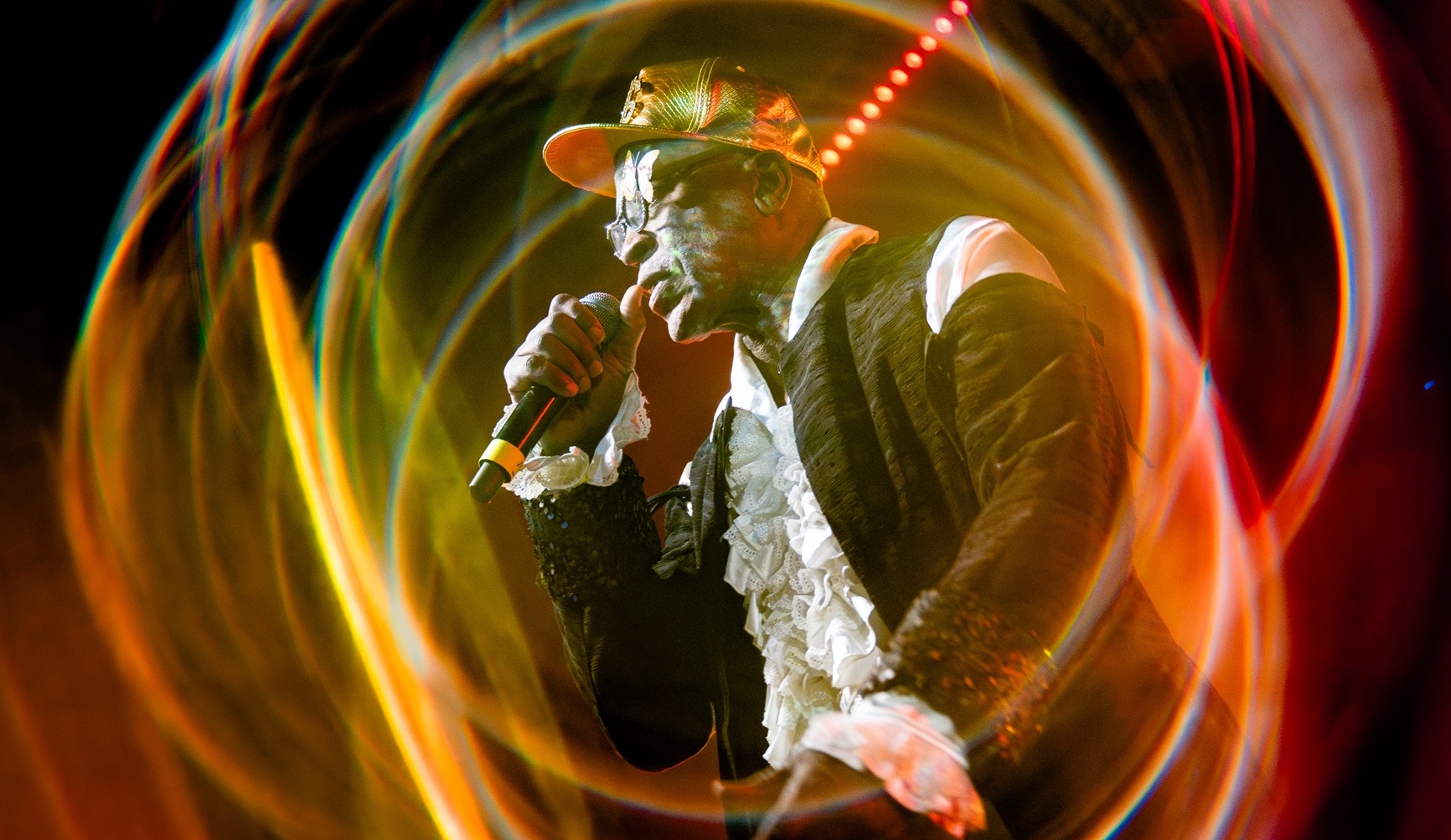
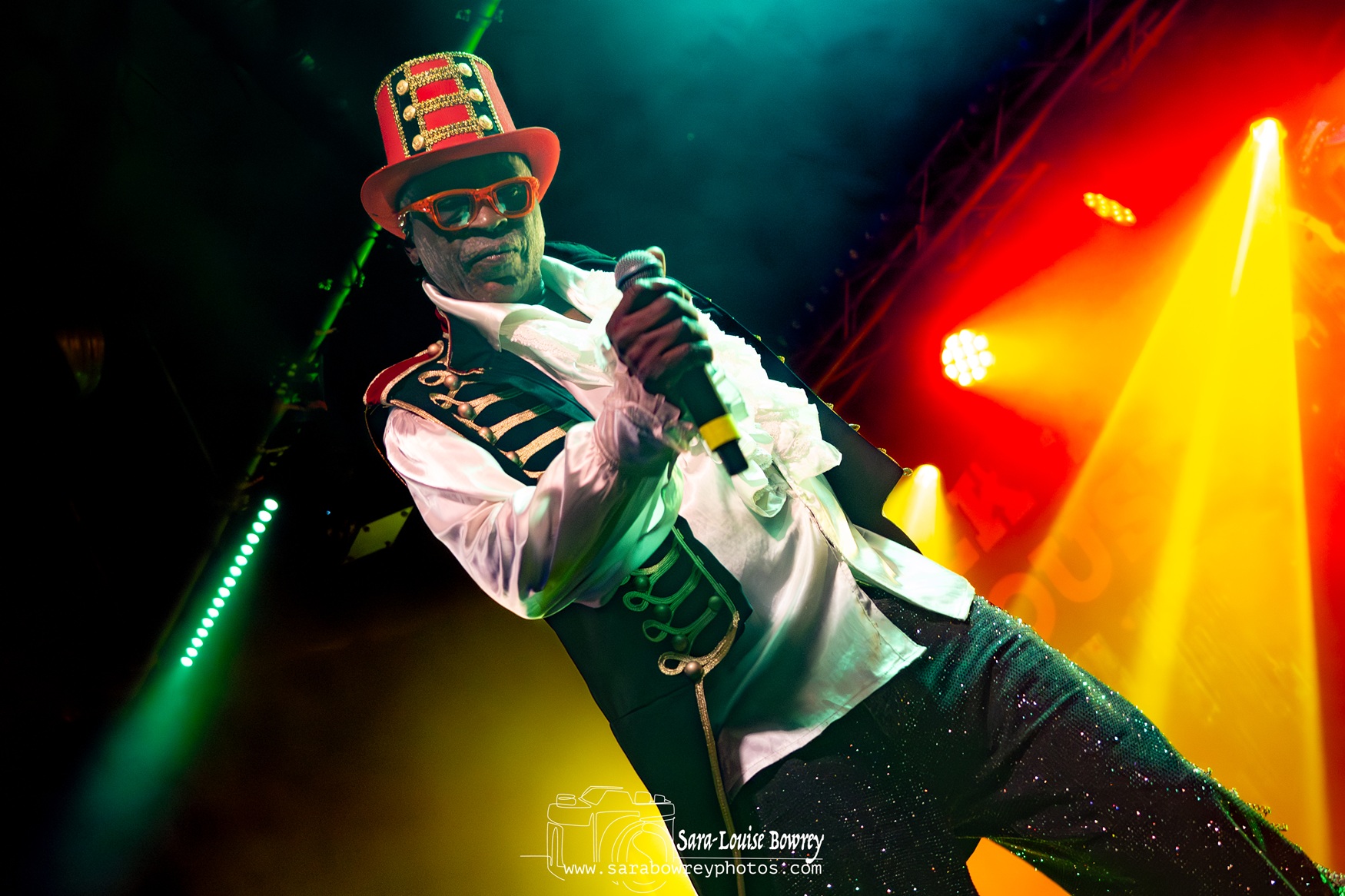
After another extended pause — punctuated by ongoing sound and electrical issues — Eek-A-Mouse emerged to rapturous applause. Resplendent in silver sequin trousers, black frock coat, gold baseball cap and butterfly glasses, he brought infectious energy, wit, and a rare mixture of humour and social commentary, hallmarks of his ‘sing-jay’ style, which combines singing with percussive toasting. His set ranged from tracks Early Sunday Morning, Do You Remember, and Sensee Party.
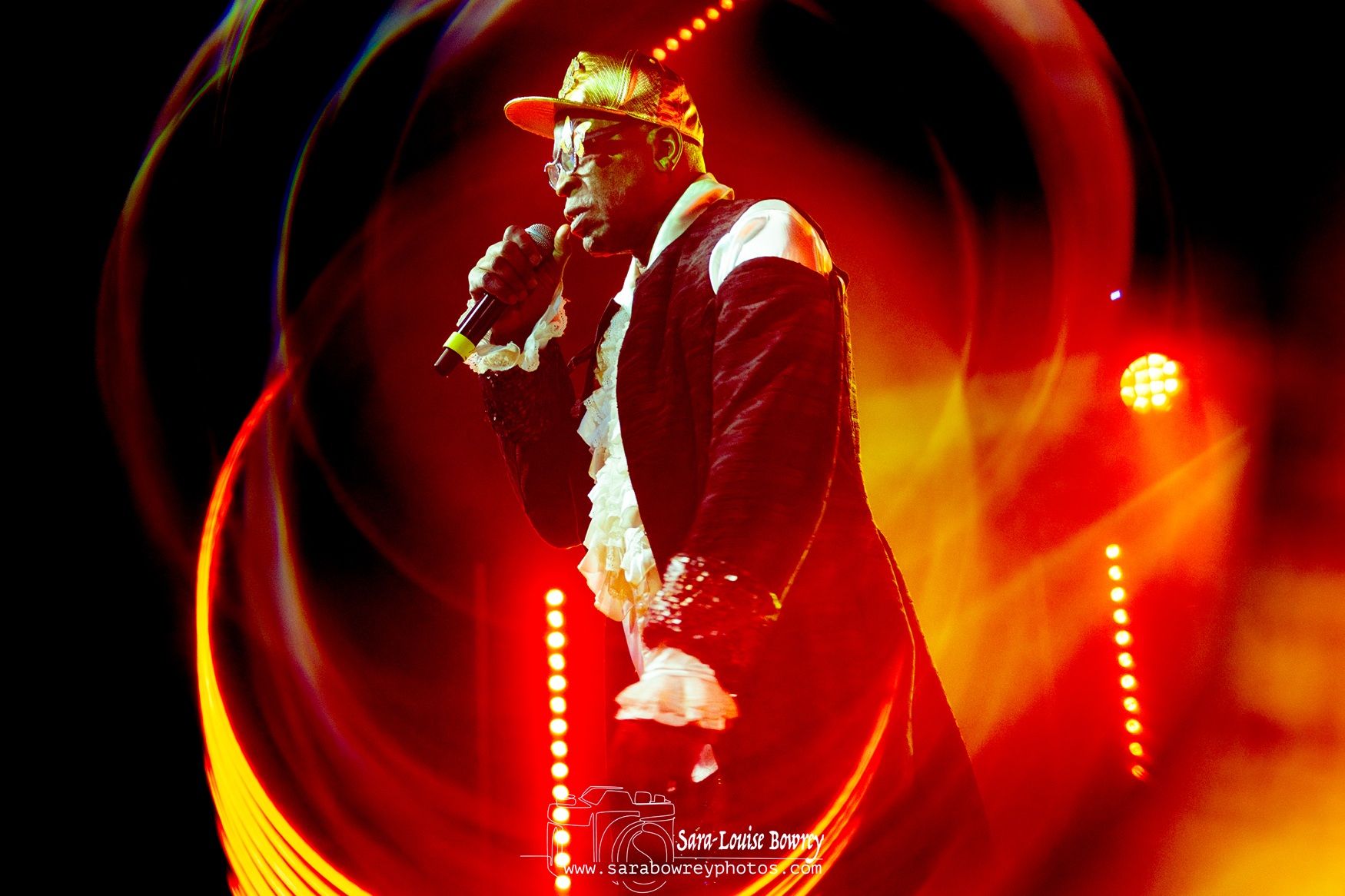
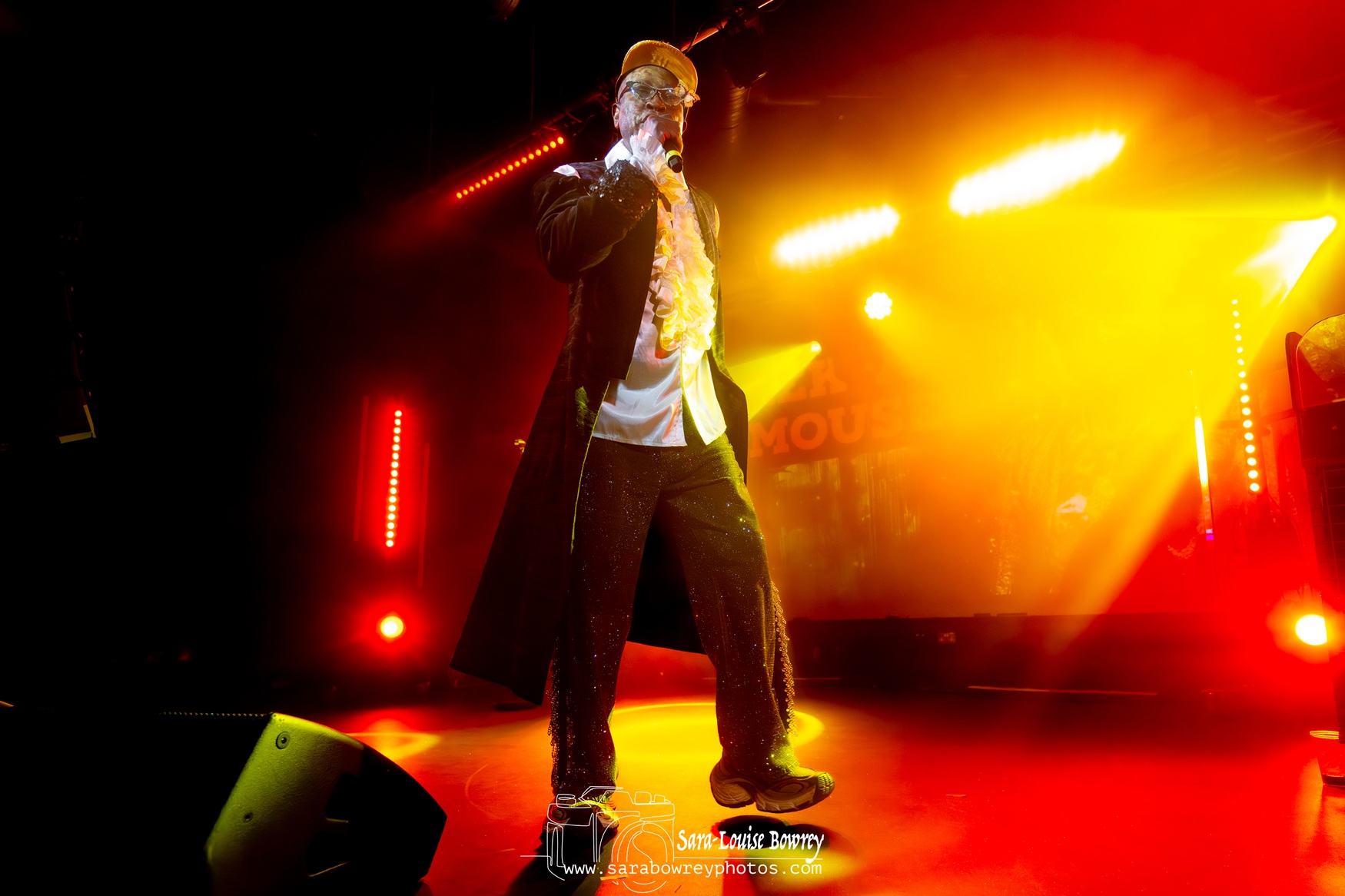
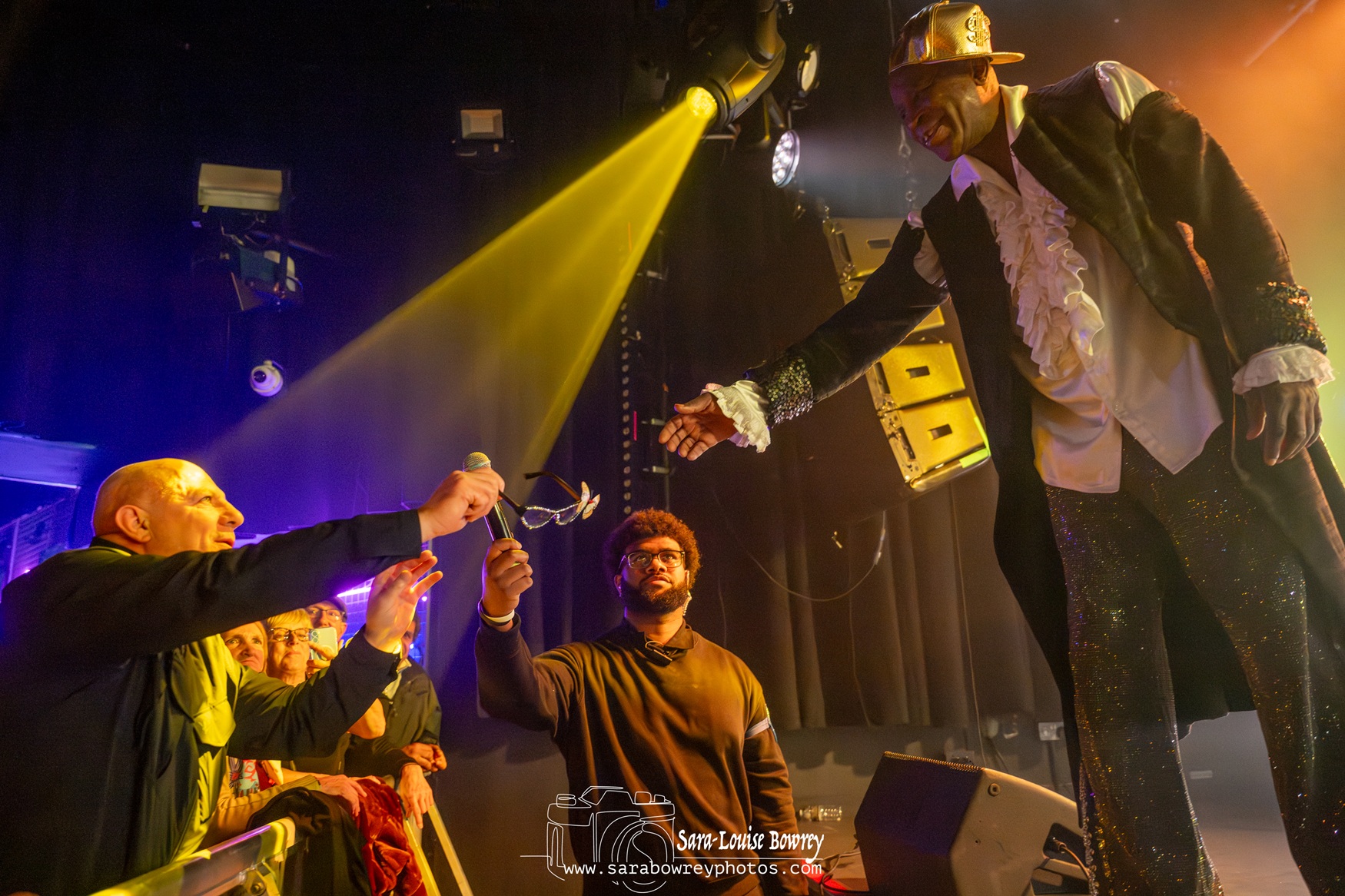
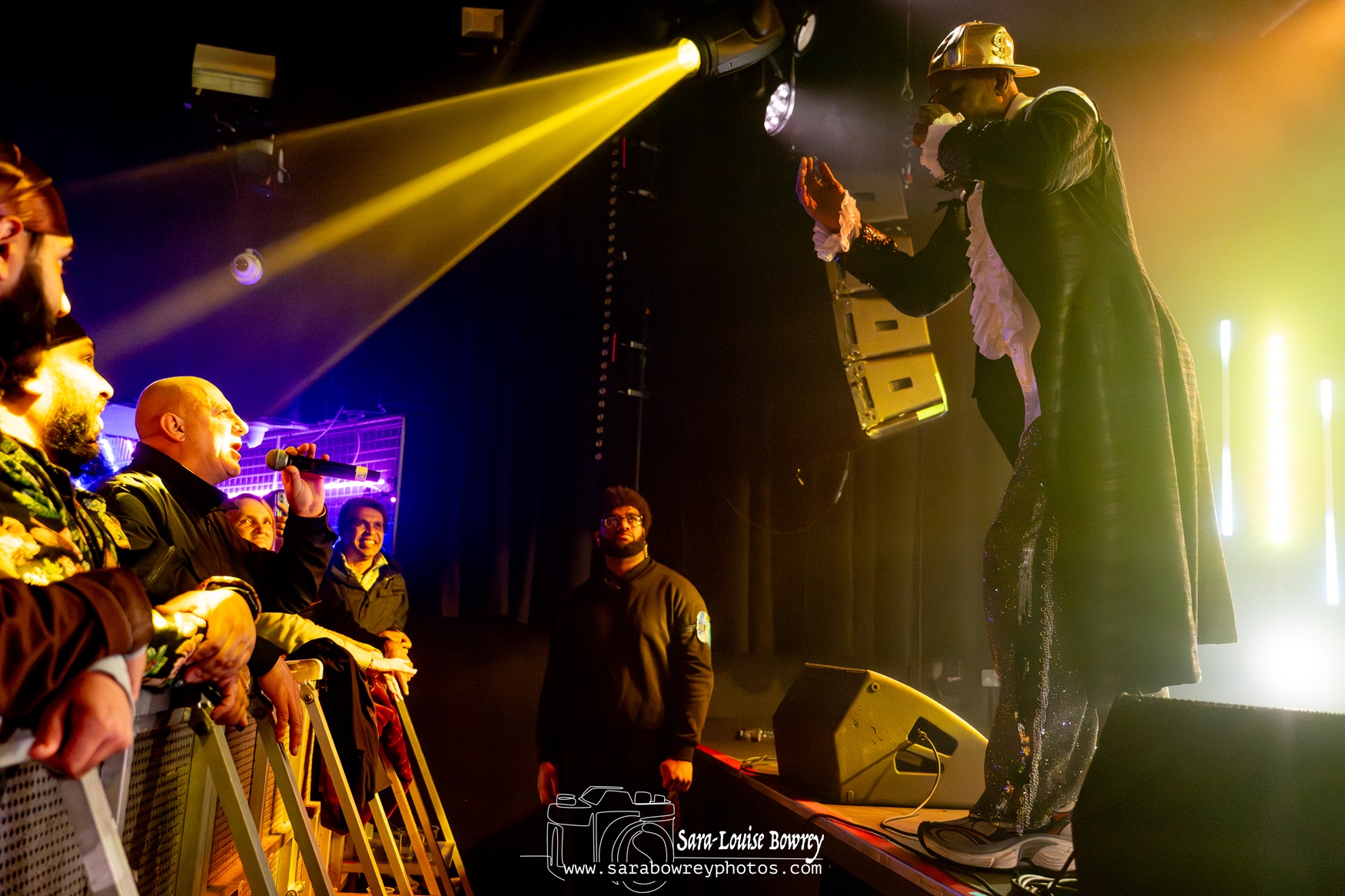
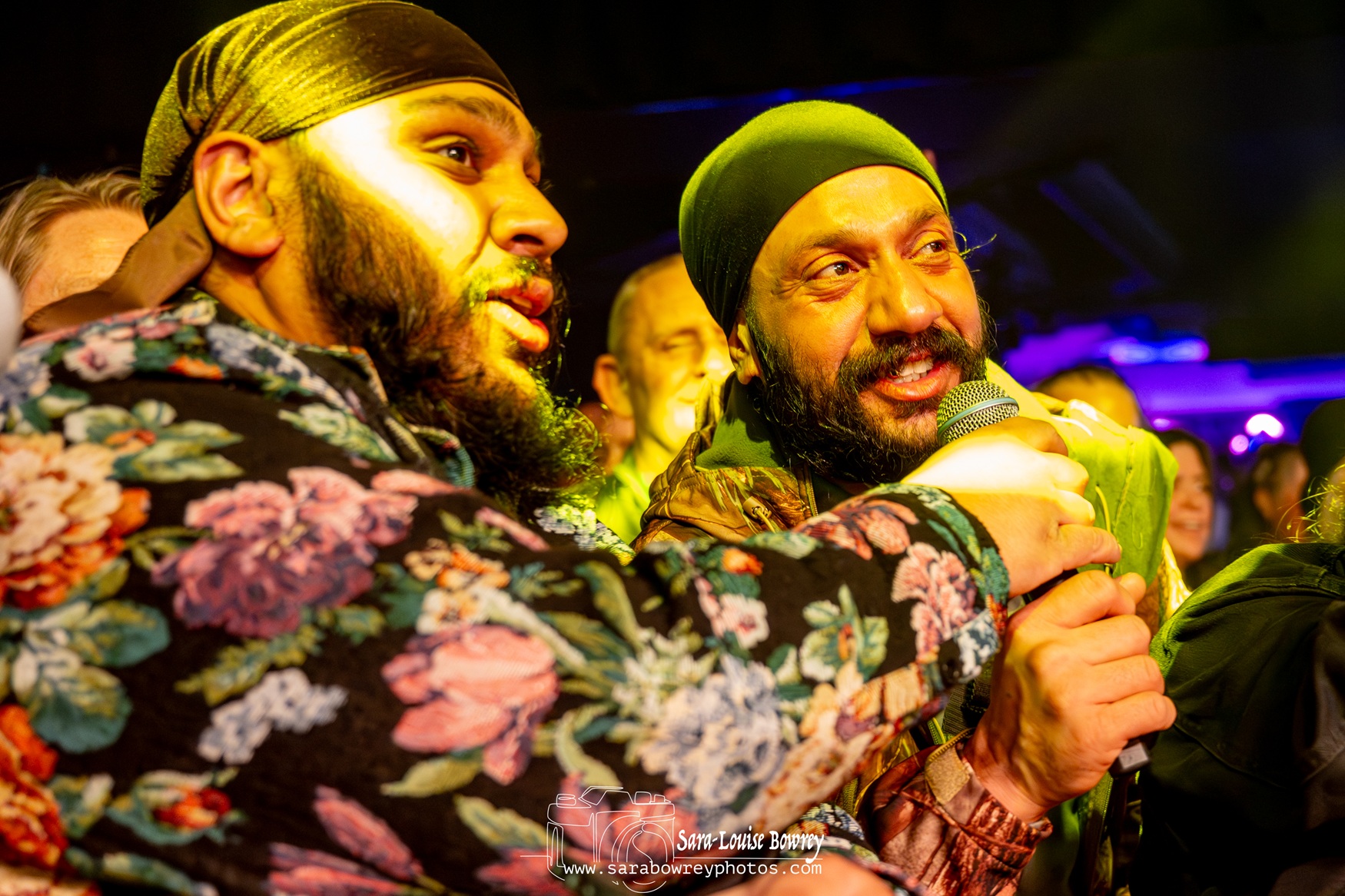
One of the undisputed highlights came when Eek-A-Mouse handed his microphone to a man in the audience — a white attendee in his sixties — who mimicked his sing-jay delivery with astonishing aplomb. The crowd erupted, and even Eek-A-Mouse appeared genuinely impressed. It was a rare, playful communion between performer and audience, and a reminder that reggae thrives on connection, improvisation, and shared joy.
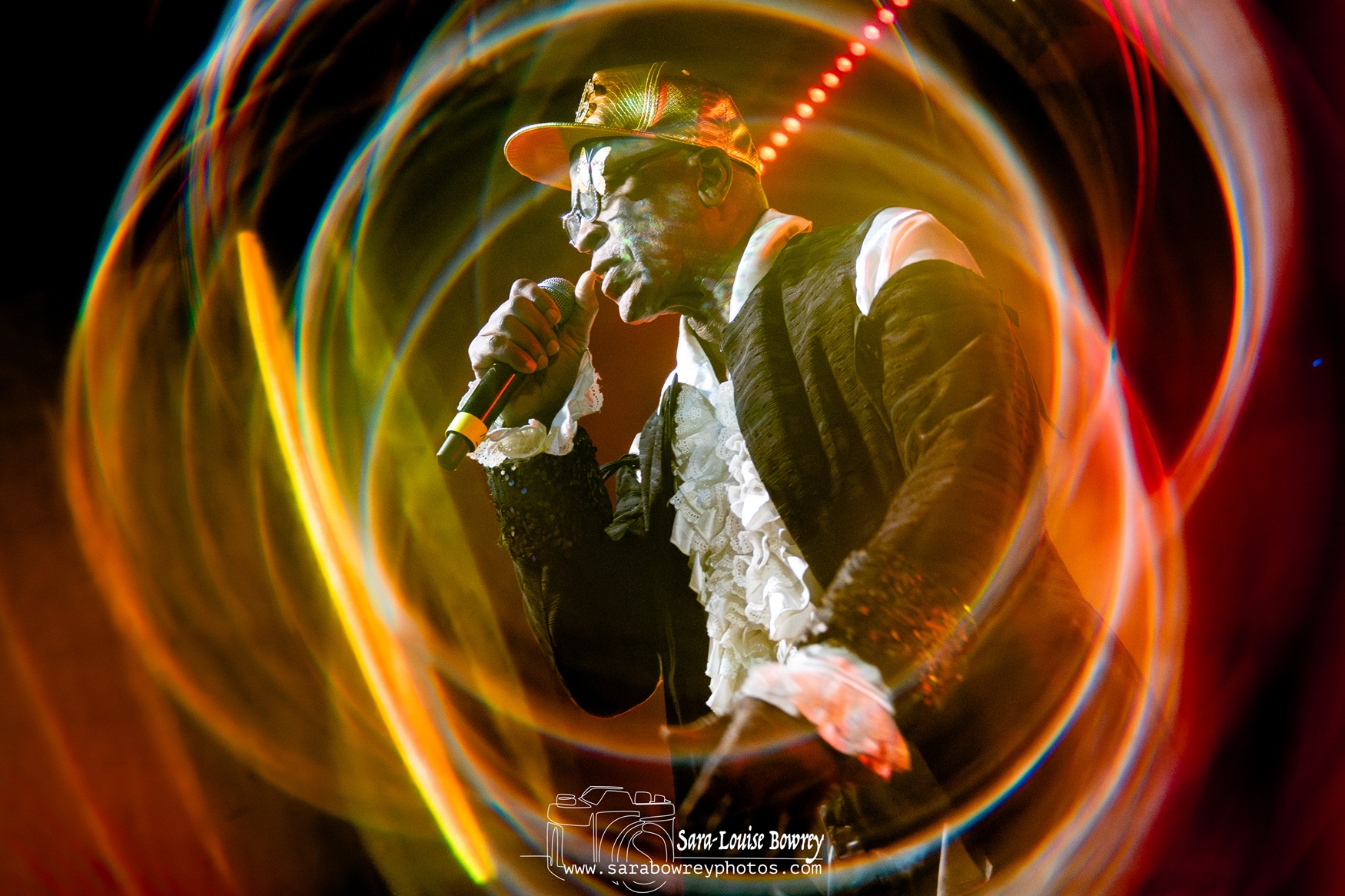
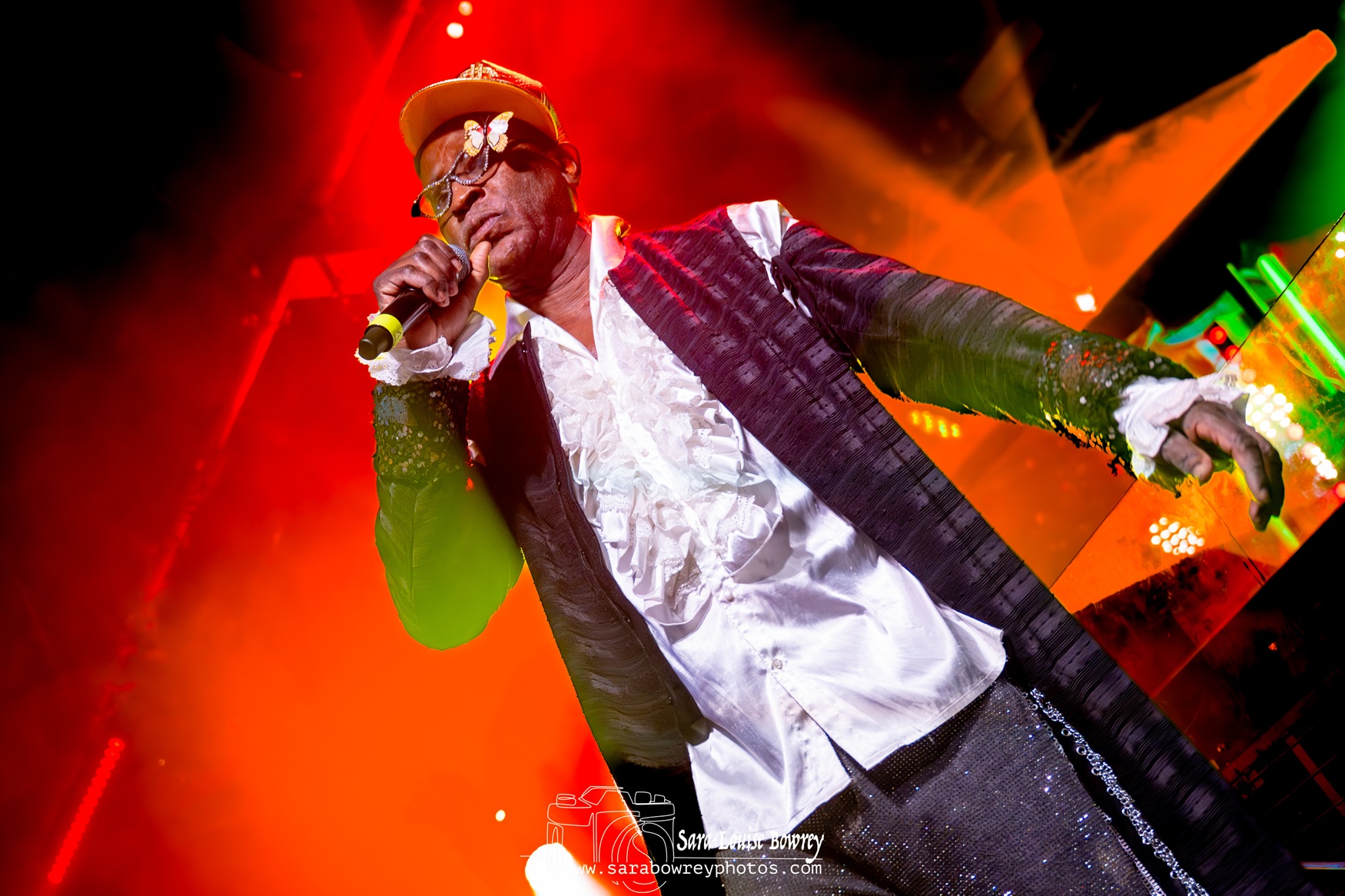
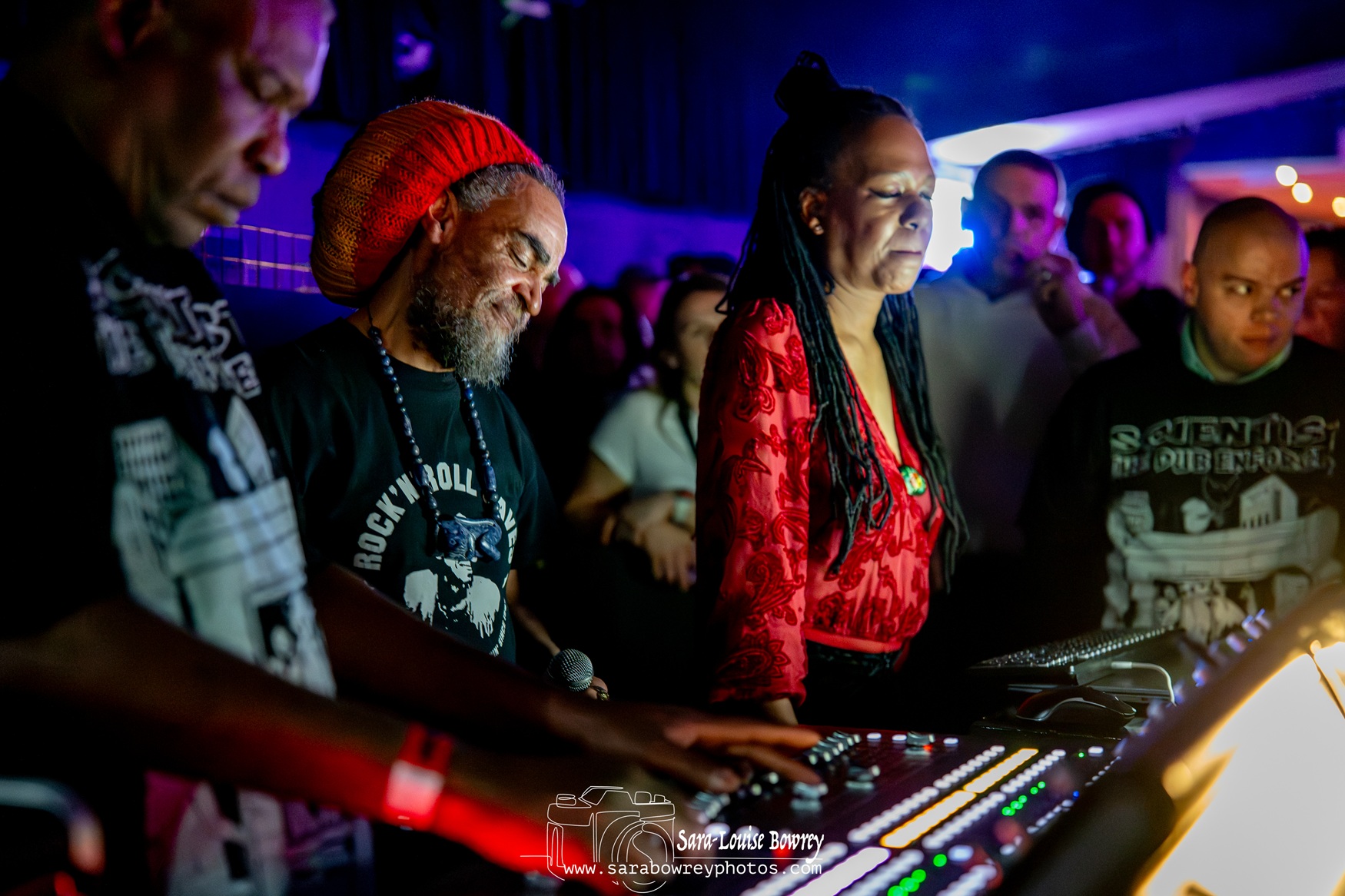
The night’s later stages blurred into a freestyle session with Scientist. Scientist took a back seat at this gig, and could be heard but not seen from the decks at the side of the venue, offering up support to Eek-A-Mouse. Though the legendary dub engineer — a protégé of King Tubby and innovator of deep, layered, bass-heavy mixes — never appeared on stage, his influence was palpable.
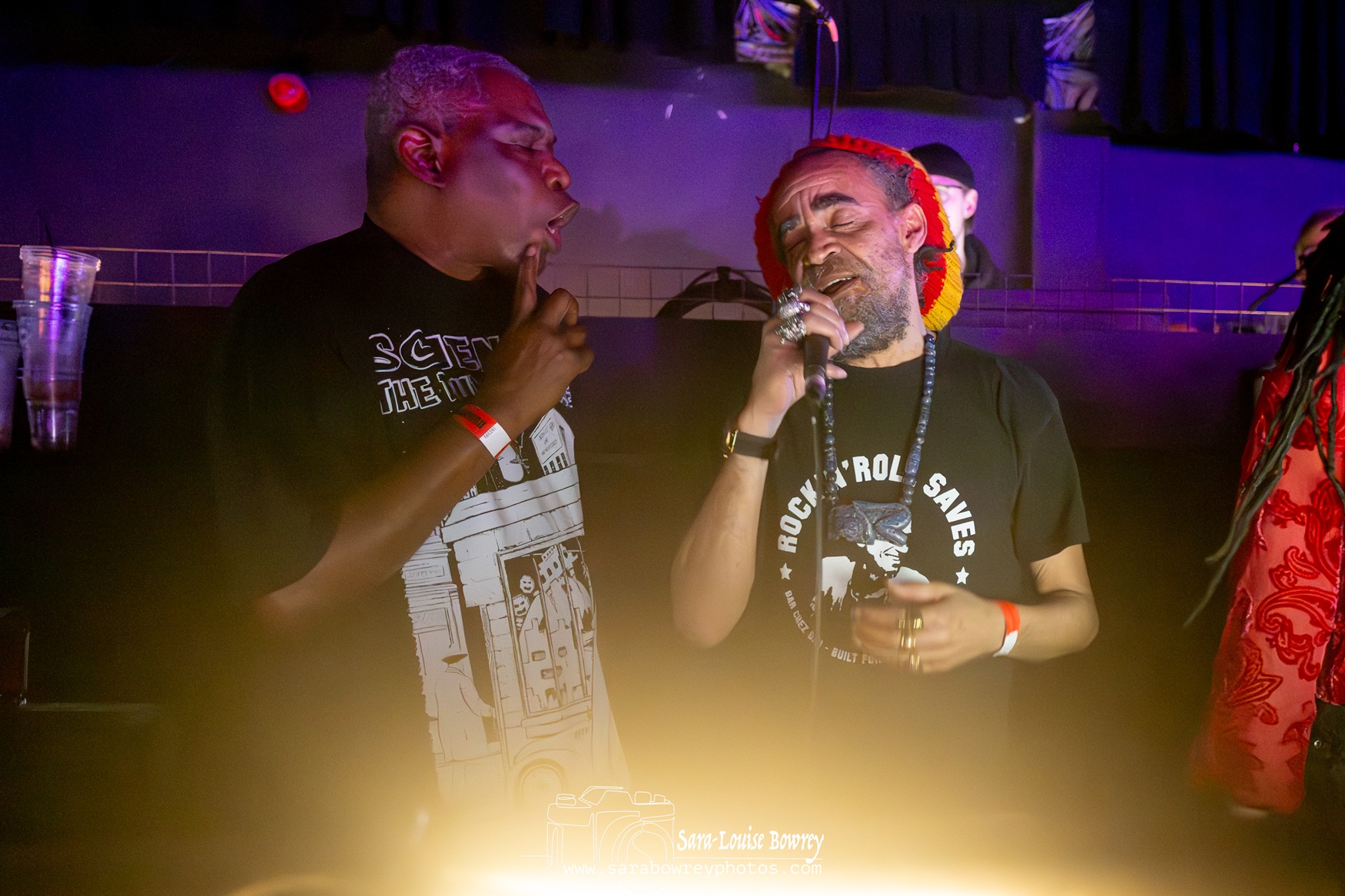
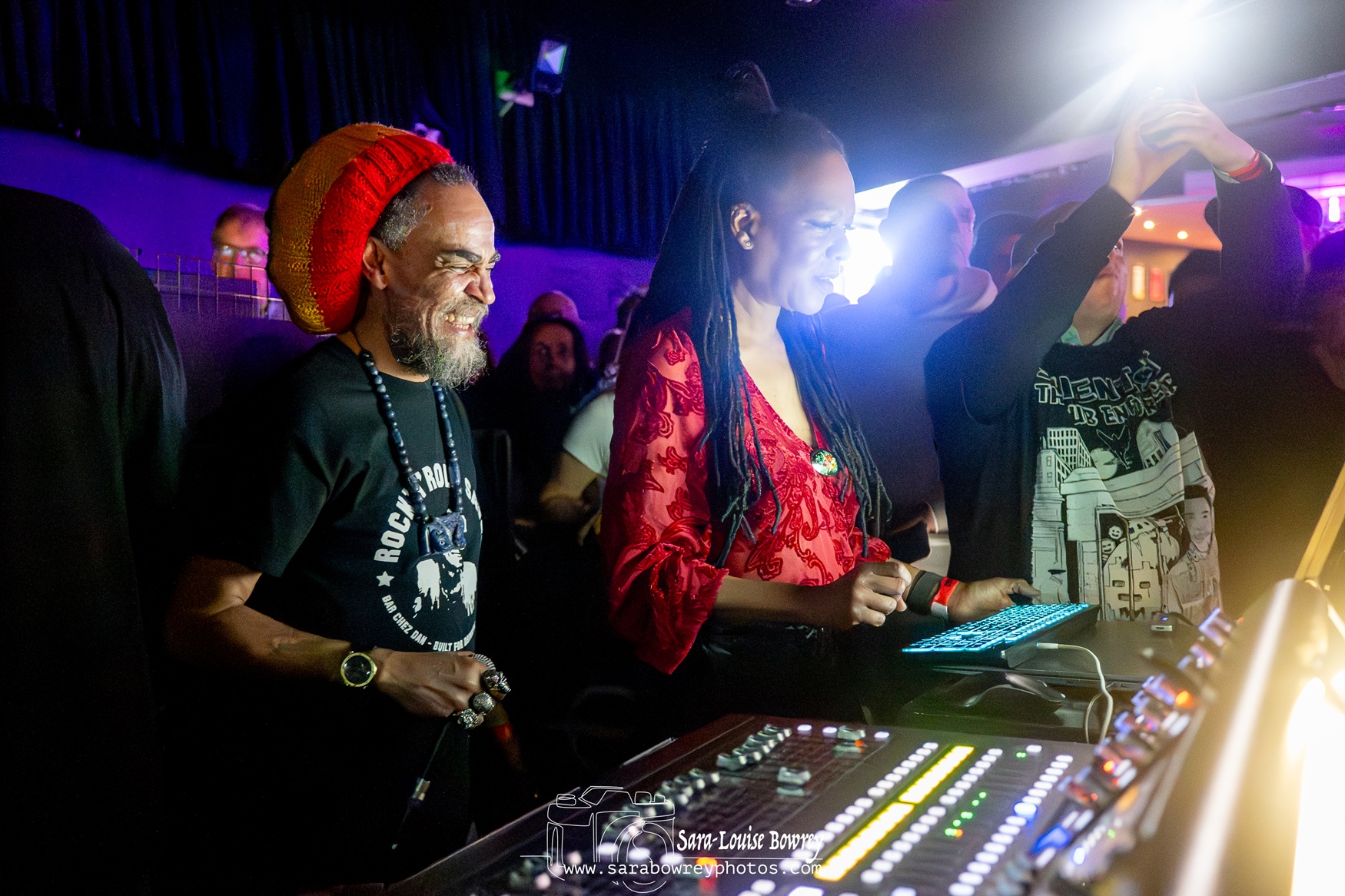
Tracks like Music is My Medicine moved the room into a heavy dub wise space where the speakers were vibrating. Costume changes, flashing red sunglasses and a red top hat heightened Eek-A-Mouse’s distinct presence and selecta Scientist’s soundscapes carried the evening to its conclusion with Press a Button, and the crowd-pleasing Skidip.
Despite technical hitches and a sense of under-rehearsed performances, the evening’s highlight was the packed, intergenerational crowd — teenagers experiencing their first live reggae show shoulder to shoulder with seasoned fans in their sixties and seventies. From Kingston’s roots to the Brighton dancefloor, the night was a testament to the enduring power of reggae, its music, and the artists who dedicate their lives to it.
For all its ragged edges, this was a night that celebrated legacy, improvisation, and community. If perfection was missing, it hardly mattered: reggae, in all its glorious chaos, still found a way to bring everyone together, even if my ears are ringing today.