
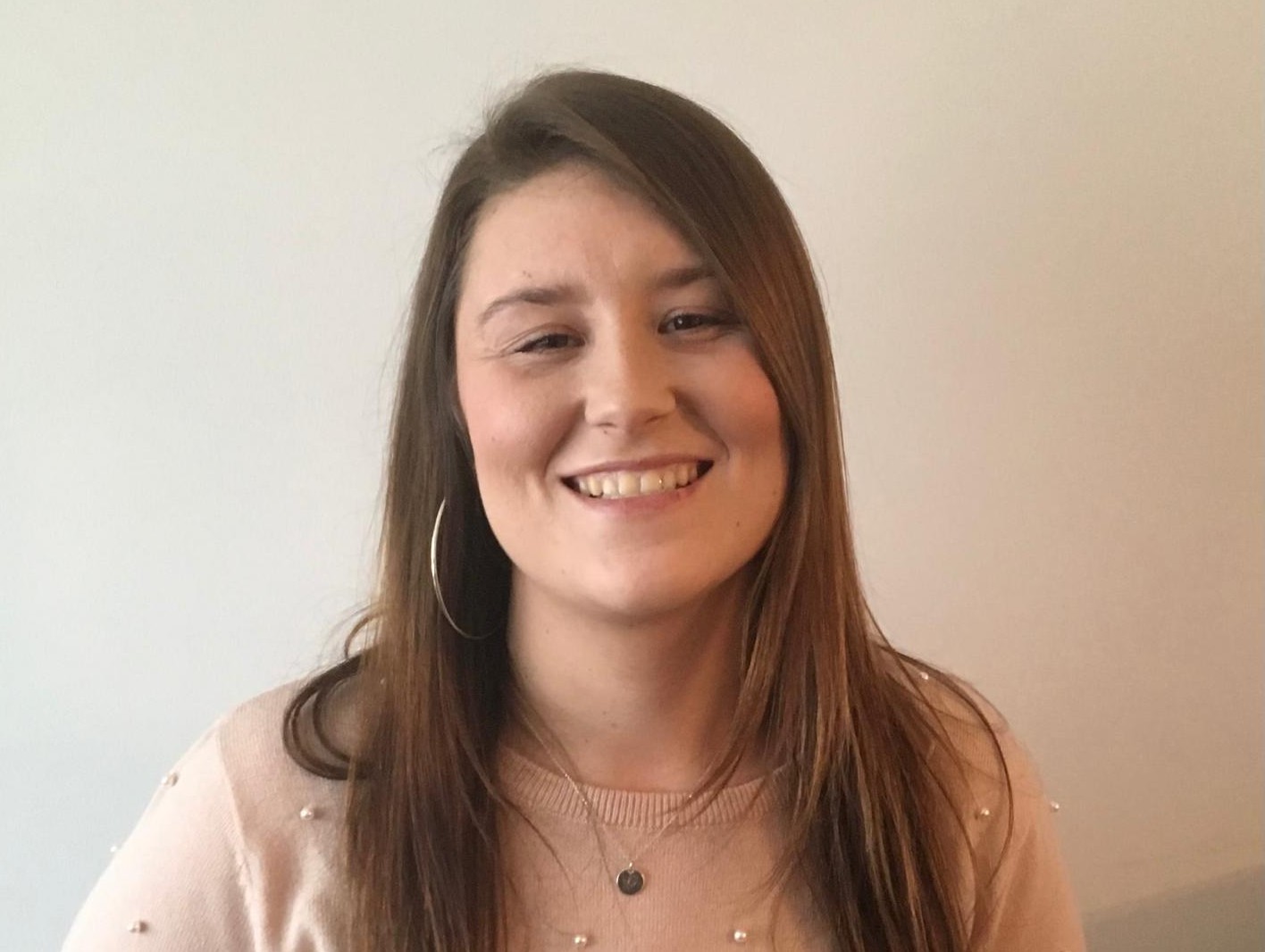
A first-time mother died seven weeks after giving birth after what a coroner said was a “missed opportunity” to assess her condition.
A few days before Gemma Robins, 30, had been due to be give birth, she was admitted to hospital after persistent sickness. She was unable to keep down any food or fluids.
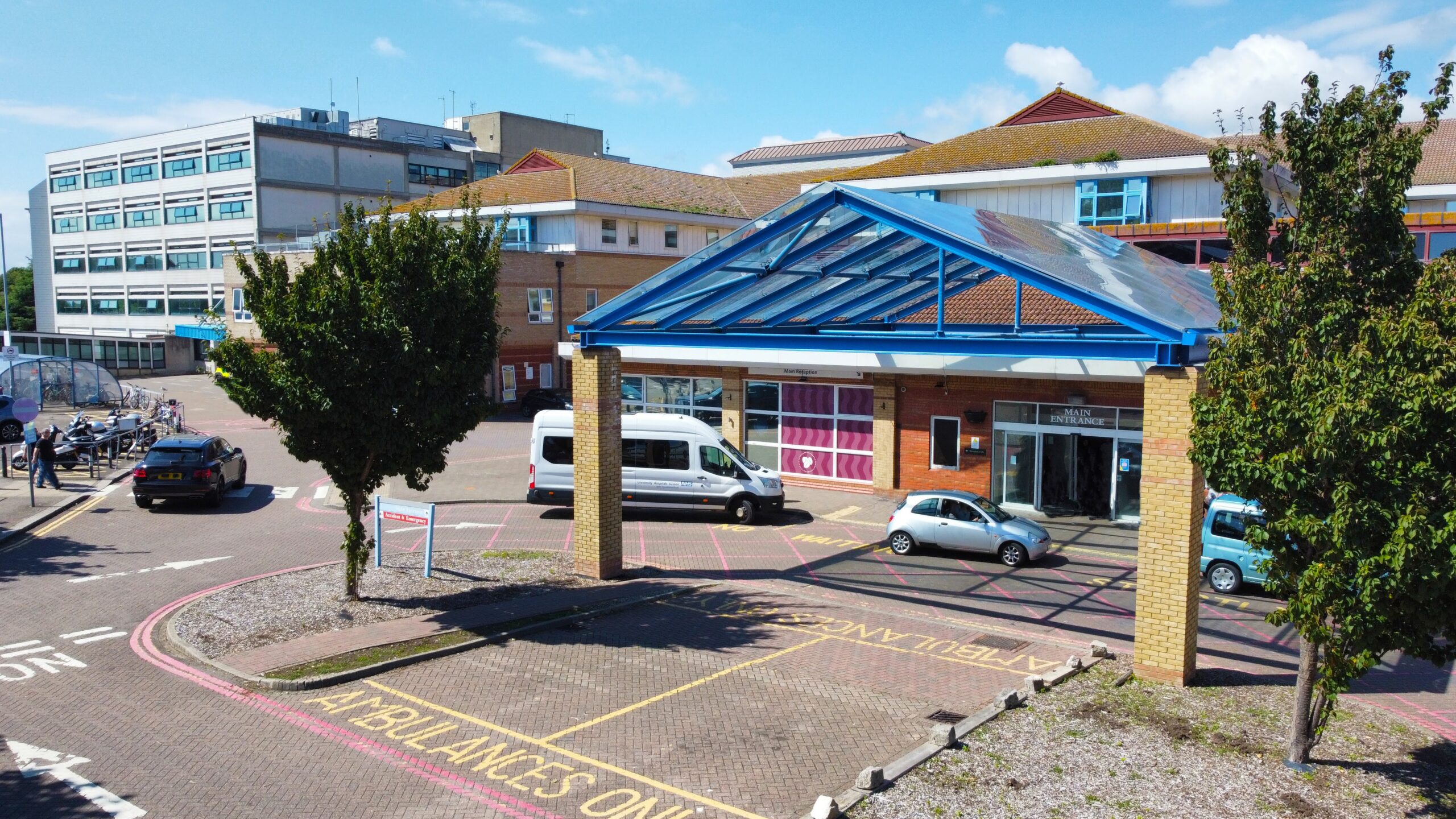
She called the maternity team at University Hospitals Sussex NHS Trust for advice and was told to go to the accident and emergency (A&E) department at Worthing Hospital.
The West Sussex, Brighton and Hove coroner Penelope Schofield said: “Gemma was acutely unwell and a decision was made for her to have an emergency caesarean.
“Gemma remained unwell following the birth and, despite treatment over a period of 40 days on intensive care, she did not recover and sadly died on (Thursday) 13 June 2024.
Just a few days before her daughter was born, Miss Robins had an outpatient appointment where her blood pressure was found to be bordering on high.
The significance of the result did not appear to have been appreciated and, although it should then have been checked a second time, it wasn’t.
Miss Robins was also not pressed to provide a urine sample despite national and local guidelines.
The coroner said that she would issue two PFD (prevention of future deaths) reports and one of these would be about the oversights during the antenatal check up.
It was unclear, the coroner said, what steps had been taken to prevent a recurrence with other expectant women.
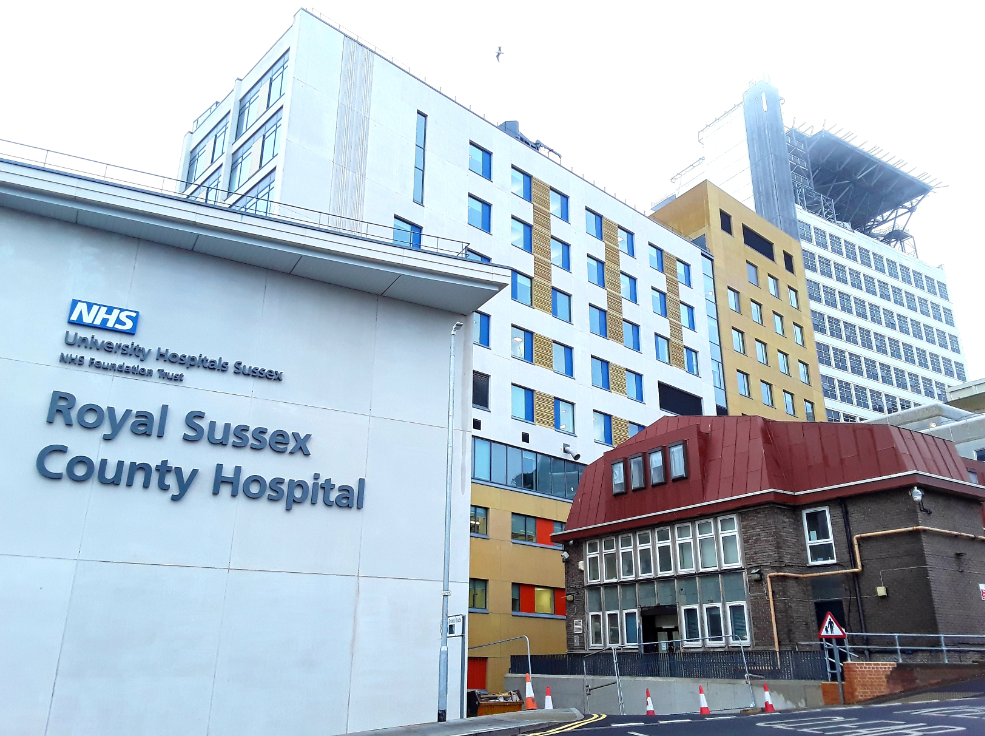
Miss Robins gave birth at Worthing Hospital. Shortly afterwards, she and her daughter were transferred to the Royal Sussex County Hospital, in Brighton.
Once there, a consultant said that she was soon found to be “critically ill” even though initially on the surface she seemed well and was “sitting up in bed and talking”.
She turned out to have been suffering from acute fatty liver in pregnancy, a rare condition, and was rapidly developing a severe case of pancreatitis.
Miss Robins, a data analyst who lived in Hove and grew up in Portslade, died from natural causes, according to the coroner, after hearing evidence from about 20 clinicians, many of them consultants.
At Horsham Coroner’s Court, the coroner concluded: “Gemma died from natural causes. However, there was a missed opportunity at her antenatal appointment on (Tuesday) 23 April 2024 to investigate possible pre-eclampsia.
“Blood tests may have revealed abnormal liver function which in turn may have led to an earlier admission to hospital.
“However, it is not possible to say whether this would have prevented Gemma’s death.”
As Miss Robins’s condition deteriorated, consultants decided that she should be treated at a specialist unit at the Royal Surrey County Hospital, in Guildford.
The inquest was told that the consultant trying to arrange the transfer had been unable to get through on the phone despite repeatedly phoning the Royal Surrey.
Michael Treece told the inquest that he was trying to reach a consultant at the regional HPB (hepato-pancreato-biliary) unit.
But Dr Treece said that the Royal Surrey hospital switchboard had kept putting him through to extensions with answerphones asking him to leave a message.
He told the inquest that he didn’t recall it being so difficult to get through to the unit on other occasions but he needed advice because Miss Robins had to be stabilised before she could be transferred there from Brighton.
Dr Treece said: “It took over four hours to get through to Guildford.”
The inquest was told that the NHS trusts that run the Royal Sussex and the Royal Surrey were looking at ways to improve communication between consultants in these sorts of circumstances.
The coroner said that her other “prevention of future deaths” report would be about the lack of communication between the trusts.
She said: “There are clearly issues around communication between hospitals and the tertiary centre (the HPB unit at the Royal Surrey).
“This is not a criticism of the clinicians but of the process. Doctors from each trust disagreeing about communication between them doesn’t inspire confidence.”
Each trust had made changes that were a step in the right direction, the coroner said, adding: “Clearly, there is still a way to go.”
The coroner added that University Hospitals Sussex had carried out a patient safety incident investigation (PSII) but the report did not appear to have picked up the lack of “safety netting” advice at Miss Robins’s final antenatal appointment.
An expert witness instructed by the coroner, James Bromilow, said: “Gemma’s case was unusually complex.”
But Dr Bromilow, a consultant in intensive care and anaesthetics, found delays at several points that could well have hastened diagnosis and treatment.
And he highlighted the difficulties in consultants speaking to each other directly which added to those delays.
It was hard to say whether these directly contributed to Miss Robins’s death, he said, adding: “The best outcome for the patient would have resulted from direct contact (between key consultants).
“We work in a system that is clunky and where can communication can be difficult.”
Jo Moore, a barrister specialising in clinical negligence, said that the oversights during the antenatal check up were missed opportunities.
Miss Moore, for the family, said that had the relevant tests – for blood pressure and urine – been carried out properly then Miss Robins could have delivered her baby sooner and this “would have made a difference”.
Jessica-Jane Naysmith, a solicitor instructed by University Hospitals Sussex, said: “There wasn’t any aspect of her care that could have caused Gemma’s death.”
The coroner said that Miss Robins was a much-loved daughter, partner, sister, niece and friend – and the inquest heard tributes from her parents Paul and Liza and her partner George McHugh.
Mrs Robins said that her daughter was loyal and “had a very protective and caring nature” and “just had the biggest heart” and a great sense of humour. Her death had affected her family more than words could say.
After the inquest, Royal Surrey NHS Foundation Trust medical director Bill Jewsbury said: “I want to express my deepest condolences to Gemma’s family for their devastating loss.”
Dr Jewsbury added: “While we did everything we could for Gemma and the trust’s care was not subject to criticism, I recognise that communication between the hospitals presented challenges.
“We are committed to improving this through embedding a new and more robust system.”
Katie Urch, chief medical officer for University Hospitals Sussex NHS Foundation Trust, which runs the Royal Sussex and Worthing Hospital, said: “Gemma’s loss is a tragedy and we extend our heartfelt condolences to her family and loved ones at this incredibly difficult time.”
Professor Urch added: “While the coroner concluded Gemma sadly died of natural causes and that there were no omissions in her care that were likely to have changed the outcome for her, we note the intention to issue a prevention of future deaths report.
“We will respond to this fully and as a matter of urgency and take all steps we can to continue improving the safety and quality of our care.”
Her parents, Paul and Liza Robins, said: “Gemma was our beautiful daughter and, had she been given the chance, we are sure she would have made an incredible mother.
“We welcome the coroner’s decision to issue prevention of future deaths reports following Gemma’s inquest.
“However, we believe there are wider lessons to be learned from her death, especially around the importance of antenatal investigations and the recognition and treatment of acute fatty liver of pregnancy.
“We still think of Gemma every day and will continue to campaign for change to ensure that lessons are learned from the evidence heard at her inquest.”








Perinatal care found wanting. Hardly unusual these days unfortunately.
Phones are a real problem in hospitals these days as it is so difficult to get through. Switchboard operators know this..as a former telephonist i know it can be difficult. Am very sorry to hear this young Mum died like this.