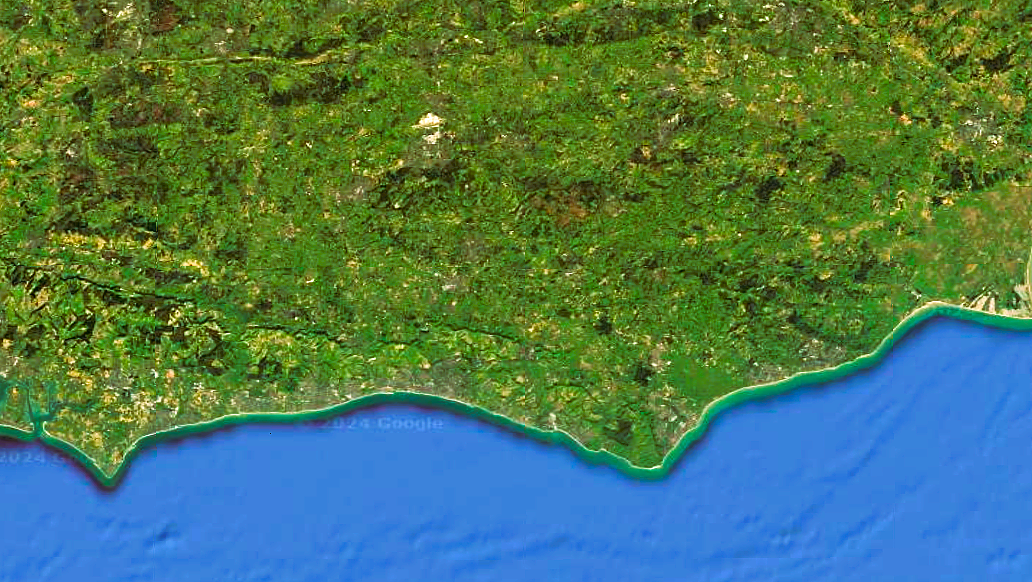
In less than two years, Sussex will have a mayor – but what does that mean and why does it matter?
Over the past year or so, there has been a great many news reports about devolution and local government reorganisation.
The latter will see the scrapping of all the county and district councils across Sussex and replaced with a number of unitary councils.
In the case of Brighton and Hove City Council, it is likely to be retained and to serve a slightly expanded area.
This would take in the eastern half of Saltdean as well as Telscombe Cliffs and Peacehaven – and the part of Falmer that is currently served by Lewes District Council.
In addition to those changes comes devolution – the transfer of certain powers and responsibilities from government to regions – and that’s where the mayor comes in.
Devolution led to the Sussex and Brighton Strategic Authority being set up in April, with the first directly elected mayor of the county due to be voted in by the public in 2028.
And this week the new strategic authority held its first annual general meeting (AGM) in Crawley.
Before then, the way is being paved by a six-strong strategic authority board made up of leading councillors from West Sussex County Council, East Sussex County Council and Brighton and Hove City Council.
Once the mayor is elected, he or she will chair the board. But until then, three members – one from each council – will take turns, starting with Bella Sankey, Labour leader of Brighton and Hove City Council. They will each serve eight months.
Budget documents show that the new strategic authority should receive £117 million over the next four years – part of a £1.14 billion pot provided by the government to cover the next 30 years.
And while the new unitary authorities created by local government reorganisation will provide the services that are currently provide by existing councils, the strategic authority will deal with bigger decisions and work to attract investment and funding to the county.
It has nine areas of responsibility
- transport and local infrastructure
- skills and employment support
- housing and strategic planning
- economic development and regeneration
- the environment and climate change
- health, wellbeing and public service reform
- public safety
- culture
- rural affairs and coastal communities
The government believes that these are all matters which are better handled regionally, by people with local knowledge, when it comes to making key strategic decisions.
So how influential can mayors be? Ask Andy Burnham who, even before he made his move on 10 Downing Street, was widely known for his work as the mayor of Greater Manchester and for serving as a champion for the region.
Such is the opportunity that comes with having a mayor – someone speaking up for the region at the highest levels of government and securing investment for much-needed infrastructure projects.
Take the West Midlands Combined Authority, for example. Founded in 2016, its work has included bringing five railway stations and new tram lines to the area, with its mayor fighting for funding and investment.
Initiatives that can be overlooked when lumped in with a national strategy can be better understood and championed by a regional mayor, bringing in money that may otherwise have been unavailable.
In Sussex, the new mayor will no doubt bring their own views and priorities to the table but they won’t have overall control – the board will have to agree any decisions.
The board currently has two Labour members, two from the Liberal Democrats and two from Reform UK.
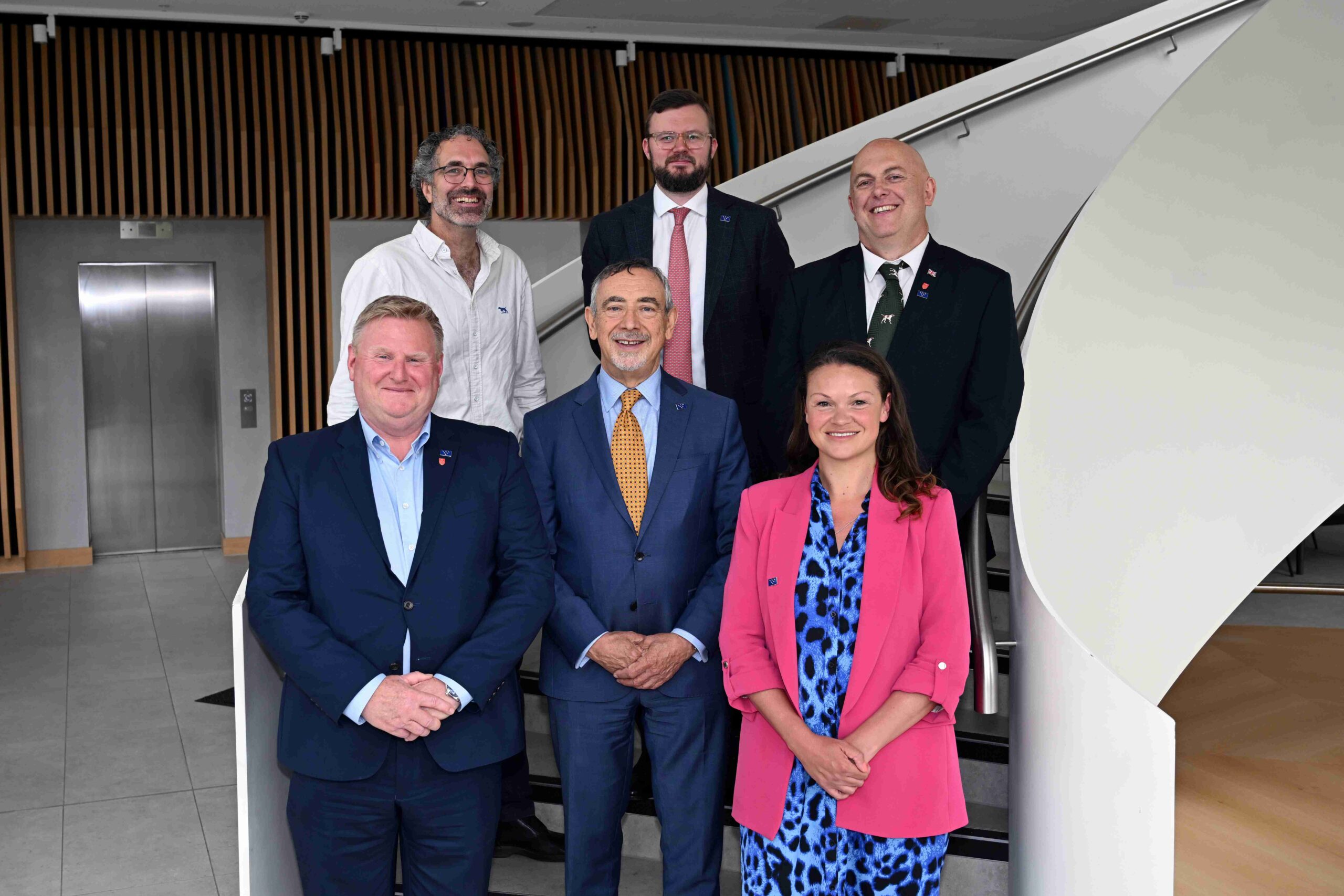
The mayor will be the directly elected voice of the county, working with leaders and lobbying government for what is needed. But the board will remain integral to the strategic authority.
Some things are still up in the air. It’s not yet known how many staff the strategic authority will have – though it’s likely to be a few hundred, including a chief executive officer earning about £190,000 a year.
It’s also not yet known where the authority will be based. But board meetings, scrutiny meetings and audit meetings look likely to be held around the county so that as many people as possible have the chance to see what’s going on.
The next board meeting will be held on Wednesday 29 July at a location yet to be announced.







I am still waiting to hear how this will benefit local residents in having more democratic say over what happens in their own area. Everything being lumped together won’t necessarily result in better local services either, but less customer-focussed and less accountable services which fail to recognise that each town, village and city has its own unique character and identity and should not be making decisions for others. Any economies of scale could well come at tremendous local cost.
There is a good question in there. Instead of everything being decided in London, the Strategic Authority (with its elected mayor) will handle things like transport, housing, jobs, and the environment for the whole county.
The idea is that local people with local knowledge can make better decisions about what their area needs than distant government departments. The mayor will be directly elected by residents to speak up for Sussex at national levels and bring back investment and funding.
But instead of local issues being decided by councillors you know in Rother or Arun they will be decided by some East or West Sussex unitary as remote, as ignorant of local issues and as unaccountable as the current East & West Sussex County Councils, or even worse by some populist mayor who couldn’t even find their way to your local community? And if we elect, say, a Green or a Tory mayor, they will have no power unless they can command a majority of the Labour, Lib Dem and Reform councillors appointed (not elected) to “advise” them? And why should little Brighton, with under 300,000 residents, send the same number of delegates to this unelected committee as the 900,000 residents of West Sussex? And why should East Sussex, where Reform has only minority control and under 30% of the votes cast in the recent elections, send two reform councillors to join this junta? This all seems a very long way from even our present level of “democracy”.
Depends on what you mean by local issues, the day-to-day running should still be managed by the unitary councils. Things on the strategic level, that would have normally been parliament decisions, would be closer being held by a directly-elected mayor that can’t be veto’d or blocked by the advisory.
We have a city in crisis which can’t even run itself properly, never mind anywhere else. Devolution is not a prospect for anyone to look forward to except our power-crazed council leader. For a short time until next May’s local elections, God willing.
…who only advises the directly-elected Mayor, and doesn’t make regional decisions, James. Panic not! 🙃
“…there has been a great many news reports…” Isn’t “reports” plural?
The best strategy they could come up with is a motion to abolish itself!
Ironically, that wouldn’t be one of the powers it can have! Needs primary legalisation to unevolve, luckily.
It does occur to me that the average Joe would benefit from clear, no-nonsense, and apolitical, messaging about what a Strategy Authority does and doesn’t do.