
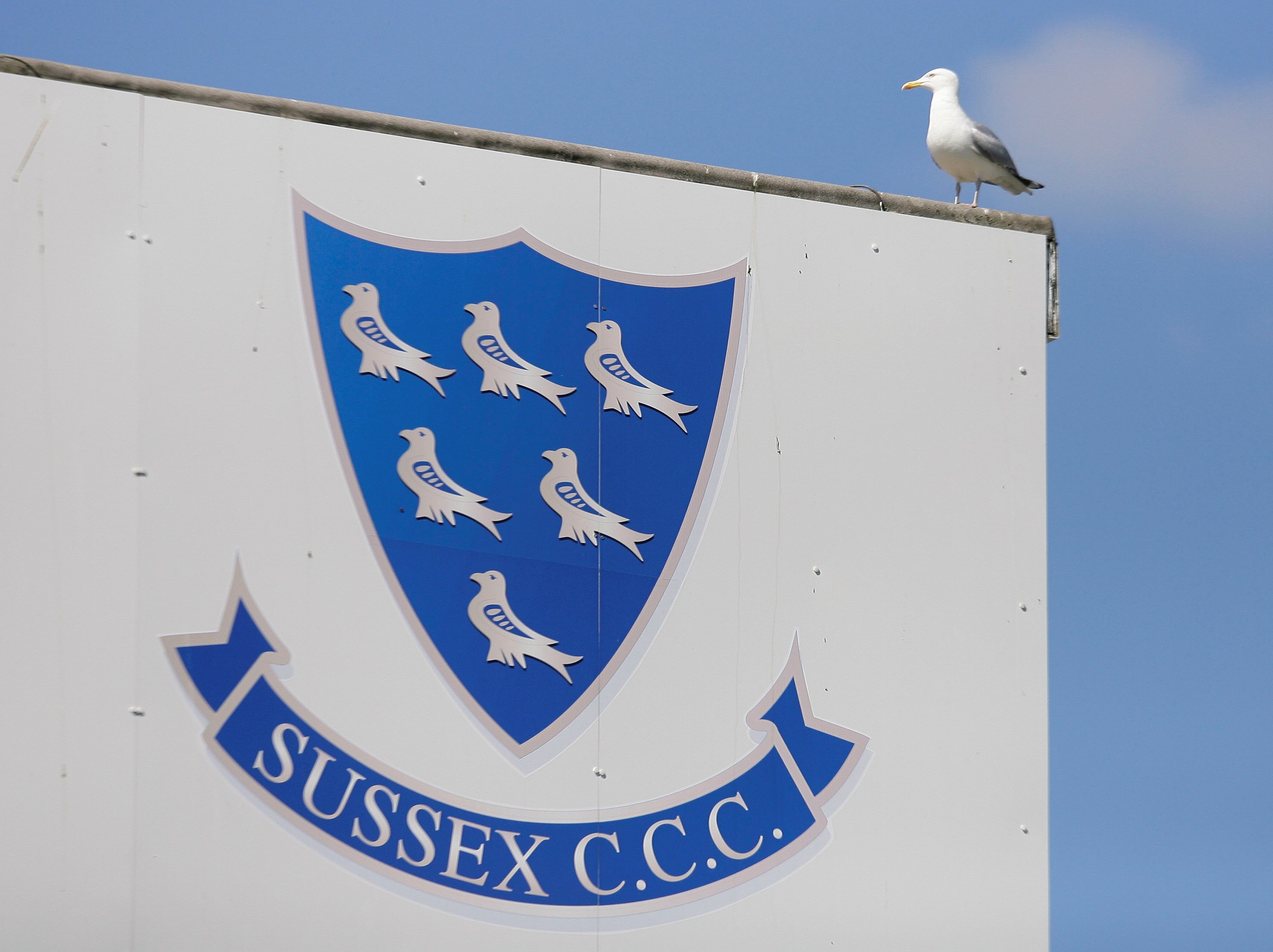
A key NHS organisation in Sussex is due to complete a merger with two in Surrey by next April.
NHS Sussex, also known as the Sussex Integrated Care Board (ICB), is merging with the ICBs in Surrey as part of a drive to save money, with the government telling boards to halve their running costs.
The ICBs commission health services from providers, mainly NHS trusts, and set local priorities.
The timescale for the pending changes are included in a report to Brighton and Hove City Council’s Health Overview and Scrutiny Committee next week.
The merger is due to be completed by Wednesday 1 April 2026 as part of a series of NHS reforms announced earlier this year by the Labour Health Secretary Wes Streeting.
A report to the Health Overview and Scrutiny Committee said that a number of people were resigning, with many being reappointed as the progress is made in merging the two ICBs.
The Sussex board and the two in Surrey – Heartlands and Frimley – said that the merger was only way to keep within the “£19 per head of weighted population” running cost required by ministers – down from the current £40 per person.
The new Surrey and Sussex ICB will be chaired by Ian Smith, who currently chairs the Surrey Heartlands board.
The chair of NHS Sussex, Stephen Lightfoot, who said that hundreds of jobs would go when the proposals were announced in July, announced his own departure.
Surrey Heartlands chief executive Karen McDowell will have the same job at the Surrey and Sussex ICB. The chief executive of NHS Sussex, Adam Doyle, will become chief executive of NHS Kent and Medway.
The report said: “A mutually agreed resignation scheme, launched in September, has now concluded across the NHS Sussex and NHS Surrey Heartlands ICBs.
“The ICBs are working to manage the impact of these departures, including careful consideration of the work that needs to be prioritised, so that we can continue to deliver for our population.
“In addition to workforce schemes, the joint transition committee is overseeing the formal preparations and assurance processes for the launch of a new ICB and the shutdown of the existing organisations.
“This includes work on systems and processes, governance and ways of working. Supporting staff remains a key commitment and we continue to take proactive steps to engage staff.”
The changes are part of the latest round of health service reforms which include the abolition of NHS England and the scrapping of Healthwatch, a network of independent patient voice watchdogs.
The council’s Health Overview and Scrutiny Committee is due to meet at Hove Town Hall at 4pm next Wednesday (25 November).






Less admin staff and woke positions, fewer quangos save money more for front line treatment. How very complicated!
Classic Mike, political Rorschach. Whatever the story, you finds a way to wedge in “woke” as the root cause. Let’s add nuance back in. Loss of some quangos, like Healthwatch Brighton, is going to leave a very big gap in independent review, research and data collection, all of which are going to increase costs and reduce money for front-line treatment, exactly the opposite of what you’re suggesting.
It’s at least a bit complicated, Mike.
Given the state of primary care in Sussex and the fact our local hospital is under two investigations for negligence and killing patients … I’m not convinced these people were doing as good a job as they thought they were.
At least we”ll get no more “pregnant people”.