The Spy Who Came In From The Cold, Theatre Royal Brighton
Theatre Royal, Brighton, Tuesday 2 June to Saturday 6 June
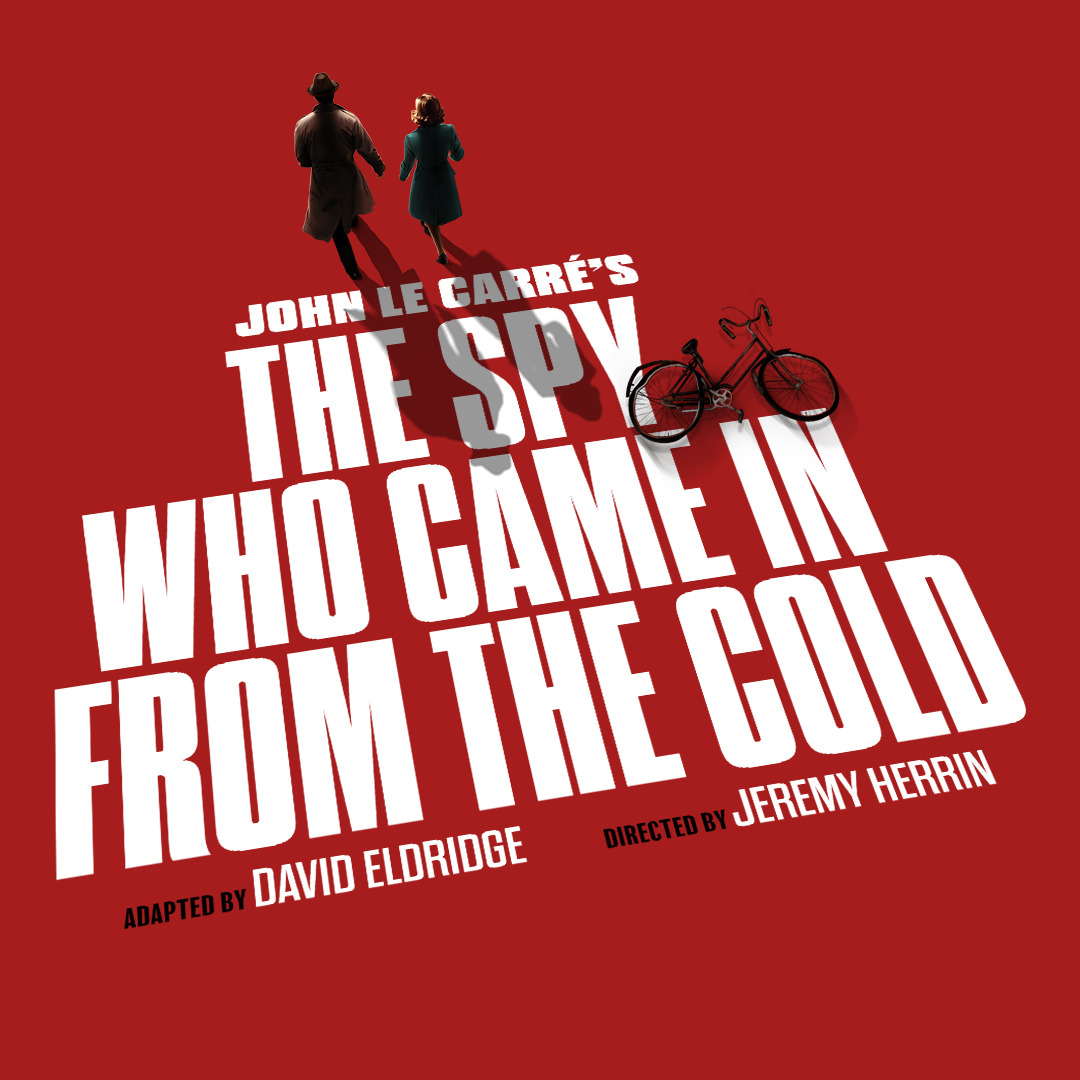
John le Carré’s The Spy Who Came In From The Cold is often described as one of the greatest spy novels ever written, though ‘spy novel’ hardly does it justice. Published in 1963, as Cold War tensions hardened around a divided Berlin, it is less concerned with espionage glamour than with the moral compromises demanded by ideology, power and statecraft. I hadn’t read this bestselling novel for many years, but it all came flooding back when watching David Eldridge’s stage adaptation, directed by Jeremy Herrin. This new production brings that bleak and deeply human story to Theatre Royal Brighton as the opening stop on its first national tour.
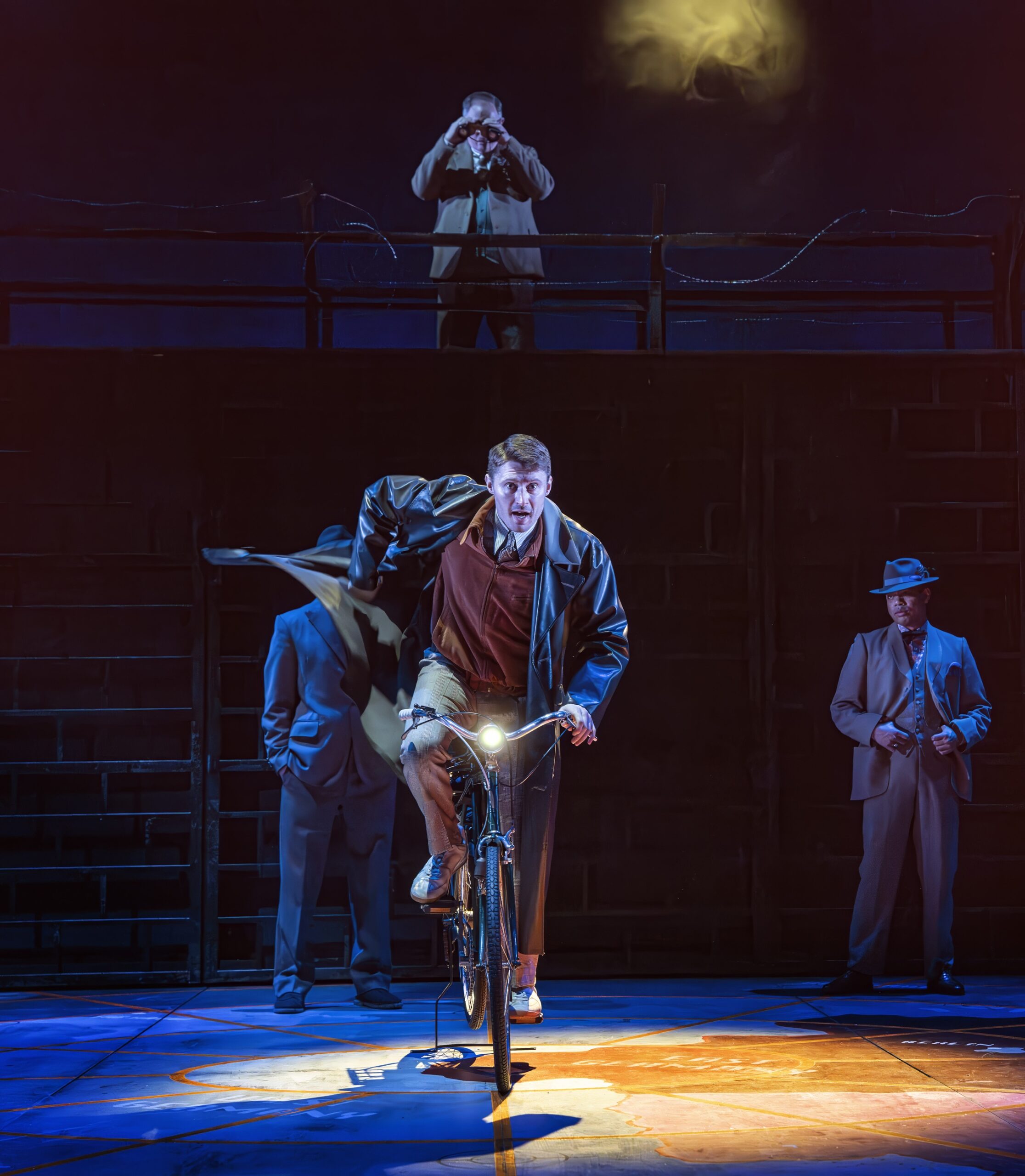
At the centre of the story is Alec Leamas, a battle-weary British intelligence officer with a complicated personal life, whose network of agents in East Berlin has been systematically eliminated by former Nazi turned communist East German operative Hans-Dieter Mundt. Actor Ralph Little delivers a commanding, complex performance as Leamas, capturing both the character’s cynicism and the lingering traces of idealism beneath it alongside a healthy dose of weltschmerz. Leamas is a man asked to play a role within a role, convincing allies and enemies alike that he is a broken-down operative whose best days are behind him.
Actress Grainne Drumgoole provides an effective counterpoint as Liz Gold, the young assistant librarian and committed Communist Party member who naively falls for Leamas without understanding the dangerous forces surrounding him, or how this could impact her Bayswater South sheltered middle-class life. Their relationship gives emotional weight to a story otherwise dominated by deception, manipulation and political calculation.
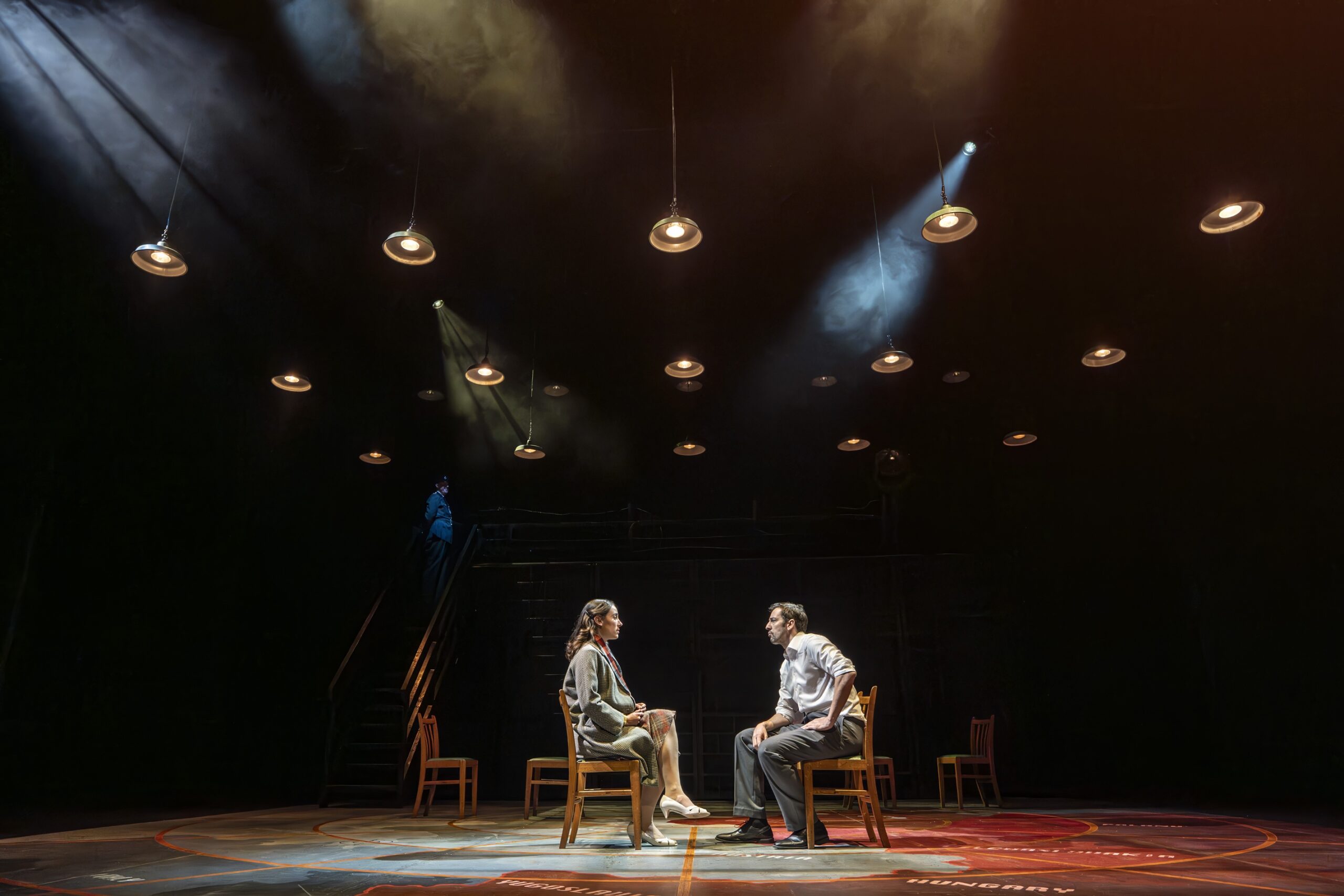
The adaptation remains impressively faithful to its source material. Le Carré’s novel is dense, complex and highly narrative-driven, qualities that inevitably lead to some lengthy dialogue-heavy scenes. While the cast handles the material with assurance, there are moments where tighter editing of the narrative might have sharpened the pacing without losing the novel’s complexity.
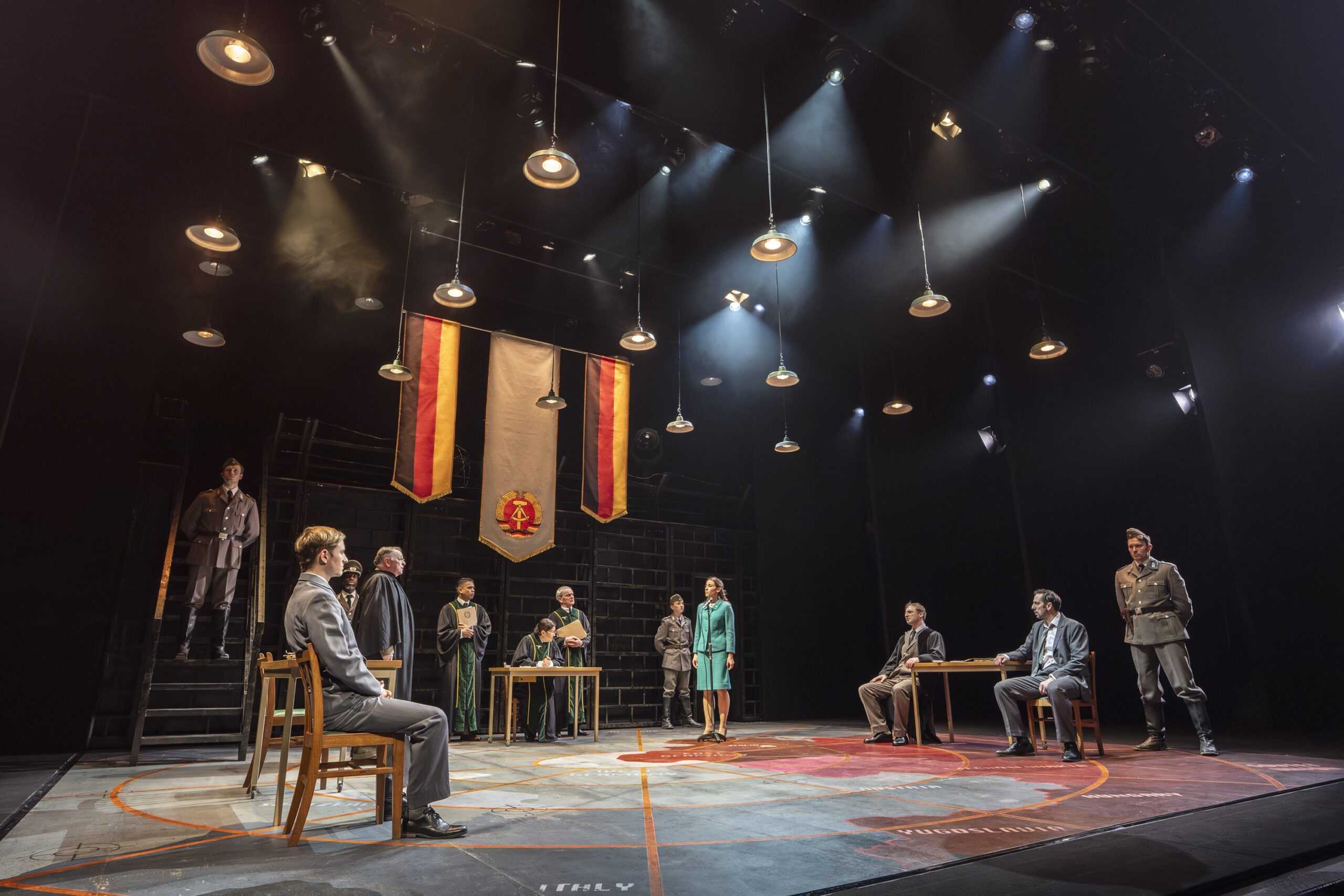
The second half, however, is particularly strong, building towards courtroom scenes that expose the brutal realities behind the rhetoric of East and West. Here, the wider ensemble comes into its own, creating a palpable sense of institutional power and menace in an East Berlin courtroom, and the fear and despair arising from it. The sound design by Elizabeth Purnell and original composition by Paul Englishby created a useful and atmospheric accompaniment for the play, adding a filmic quality with overtones of menace and longing to the piece.
The production’s first-night performance was not without challenges. A technical issue necessitated a brief pause in proceedings, an unusual occurrence that momentarily interrupted the narrative flow. Yet it also demonstrated how heavily this production relies on its visual language. With a sparse set and relatively few props, the lighting design plays a crucial role in creating atmosphere and guiding the audience through the shifting landscapes of Cold War Europe.
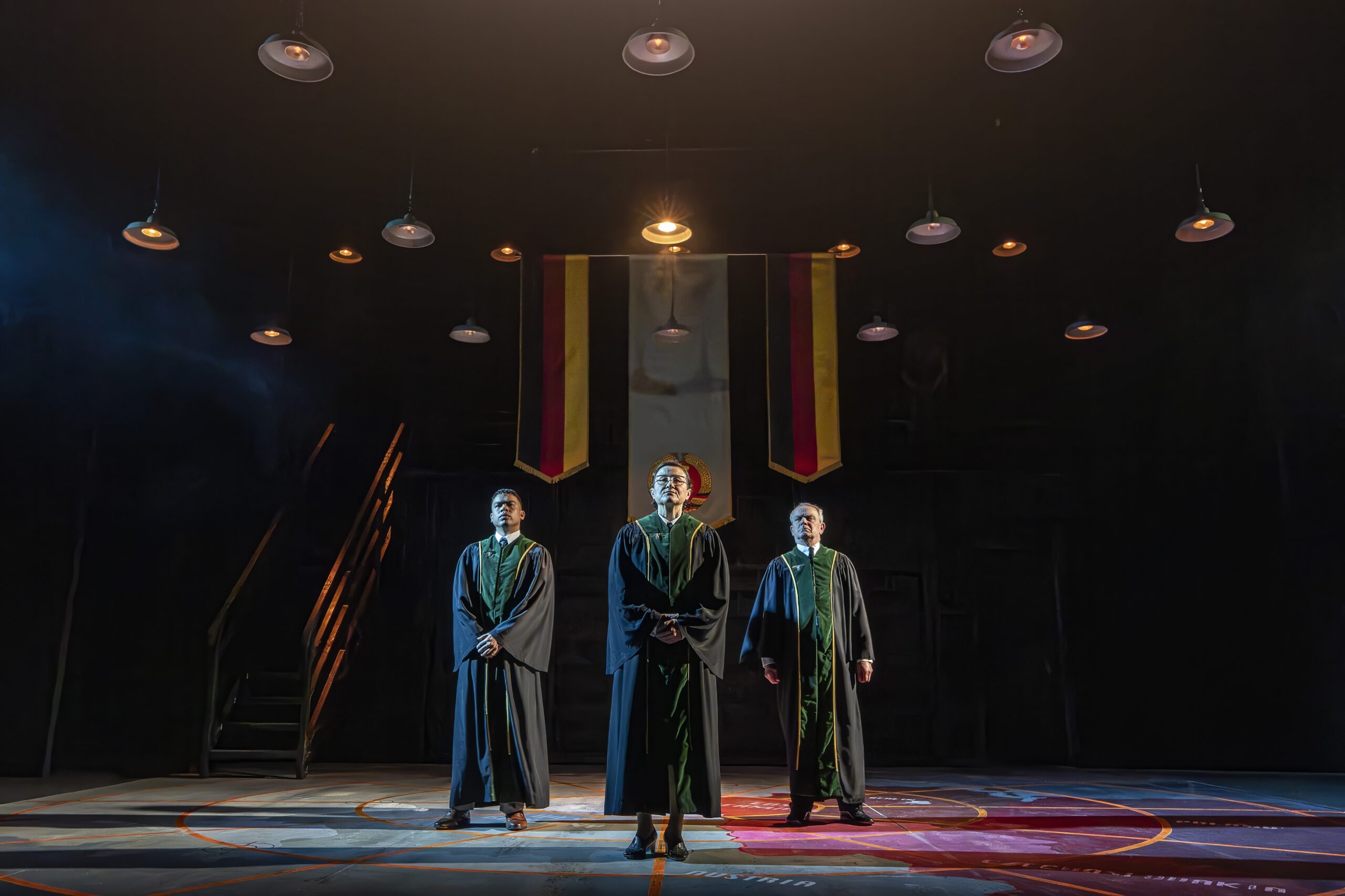
That approach is often highly effective. Shadows, silhouettes and stark changes in illumination help evoke a world of secrecy, surveillance and uncertainty. At times, however, the ambition slightly exceeds the execution. A large geopolitical map incorporated into the stage floor appears intended to remind us that the characters are merely pieces in a larger international game, but unfortunately, much of its detail is invisible from the auditorium, leaving a potentially powerful visual idea underused.
Something I hadn’t expected were the lighter touches and moments of humour within the play, which brought about moments of comic relief in a play awash with tension. There were some genuinely funny asides and moments which really helped to give the performers a chance to show the complexities of this shadowy world. The play refuses easy heroes or villains, and the elements of wit and wordplay help show each character as complex and multifaceted. Instead, it presents a world in which individuals become expendable in pursuit of political objectives, and where truth itself is often sacrificed. What emerges most powerfully is le Carré’s enduring message that the Cold War corrupted everyone it touched.

As a first-night performance, there were moments when the production felt as though it was still settling into its stride. Given the scale of the material and the demands placed upon the cast, that is understandable. By the end of the tour, this company is likely to be operating with even greater confidence. This faithful adaptation, coming from the son of John le Carré, Simon Cornwell co-founder of The Ink Factory who produced this play notes this is the “first ever adaptation of John le Carré’s novels for the stage … The tension of the story is palpable in a completely new way through this telling of The Spy Who Came in from the Cold, unravelling betrayal, humanity, and the nature of truth live in front of audiences”.
This is an intelligent, ambitious adaptation that successfully distils one of the twentieth century’s most influential novels for the stage. In an era once again marked by disinformation, geopolitical tension and competing narratives, The Spy Who Came In From The Cold feels less like a period piece than a timely reminder that the line between truth and propaganda is often thinner than we would like to believe.

Details
Dates: The play runs at Theatre Royal Brighton from until Saturday 6 June 2026.
Venue: Theatre Royal Brighton, New Road, Brighton, BN1 1SD
Tickets: Available from £15 upwards
Accessible:
Find more arts and culture reviews at Brighton and Hove News – Follow @BHCitywhatson and @bhcitynews on Instagram.
Covering everything from fringe theatre to major tours across Brighton and Hove – tag us if you’re going!